Ischemic Stroke
Overview
Ischemic stroke is a type of stroke that occurs when the blood supply to a part of the brain is interrupted or reduced, preventing brain tissue from getting oxygen and nutrients. This can lead to significant brain damage and other serious complications if not treated promptly. Ischemic strokes account for approximately 87% of all stroke cases.
Symptoms
Common symptoms of ischemic stroke can develop suddenly and may include:
- Weakness or numbness in the face, arm, or leg, particularly on one side of the body.
- Confusion, trouble speaking or understanding speech.
- Trouble seeing in one or both eyes.
- Difficulty walking, dizziness, loss of balance or coordination.
If you or someone else experiences these symptoms, it is crucial to seek immediate medical attention.
Causes
Ischemic strokes are primarily caused by blockages in the blood vessels supplying the brain. The main causes include:
- Atherosclerosis: buildup of fatty deposits in the arteries.
- Blood clots that travel to the brain from other parts of the body.
- Cardiac causes, such as atrial fibrillation, which can lead to clot formation in the heart.
Diagnosis
Diagnosing an ischemic stroke typically involves:
- A physical examination and medical history review.
- Imaging tests such as CT scans or MRIs to visualize the brain and identify the presence of a stroke.
- Other evaluations, including blood tests and heart rhythm monitoring.
Timely diagnosis is essential for effective treatment.
Treatment
Treatment for ischemic stroke may include:
- Administration of clot-dissolving medications (thrombolytics) to restore blood flow.
- Other interventions may include clot retrieval or angioplasty.
- Post-stroke management may involve rehabilitation services aimed at recovery and preventing future strokes.
Always consult Dr. Debabrata Sarkar for personalized treatment options tailored to your specific needs.
Lifestyle Advice
To reduce the risk of ischemic stroke, consider the following lifestyle changes:
- Maintain a healthy diet rich in fruits, vegetables, whole grains, and lean proteins.
- Engage in regular physical activity and maintain a healthy weight.
- Limit alcohol consumption and avoid smoking.
- Control chronic conditions such as hypertension, diabetes, and high cholesterol.
FAQ
1. What are the risk factors for ischemic stroke?
Common risk factors include high blood pressure, diabetes, smoking, obesity, and family history.
2. Can I prevent an ischemic stroke?
While not all strokes can be prevented, managing risk factors and living a healthy lifestyle can significantly reduce your risk.
3. What should I do if I suspect someone is having a stroke?
Call emergency services immediately. Time is critical in minimizing brain damage.
**Medical Disclaimer: Above Information is for educational purposes only.For emergency, always visit nearest hospital.
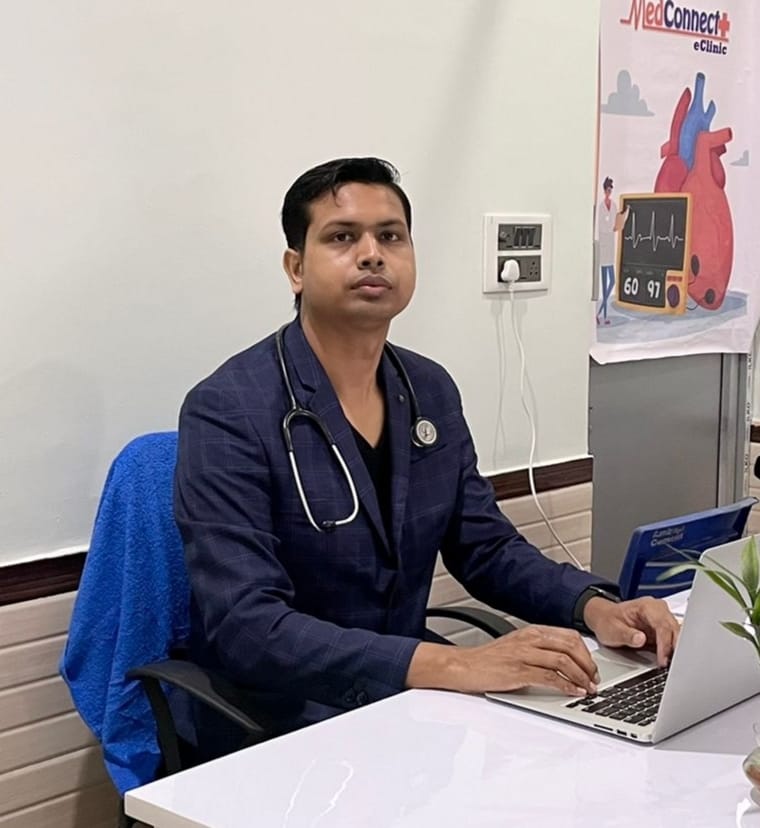
Consult Dr Debabrata Sarkar
M.B.B.S. (W.B.U.H.S.)
Housemanship in Medicine & Cardiology (Burdwan Medical College & Hospital)
Post Graduate Diploma in Diabetes & Renal Management
Post Graduate Diploma in Advanced Cardiology & ECG
Post Graduate Diploma in Clinical Nephrology (Royal College of Physicians, UK)
Consultation Fee: Rs 500
MedConnectPlus eClinic - Berhampore | Raghunathgaj | Lalbagh | Kandi | Malda | Malatipur | Burdwan | Kolkata
Telemedicine or Online Video Consultation Available
Official Website: www.drdsarkar.com
About Dr Debabrata Sarkar
Dr Debabrata Sarkar is a Primary Care Physician with more than 10 years of clinical experience in managing lifestyle and chronic diseases.
He focuses on early diagnosis, preventive healthcare, and lifestyle modification for better long-term health outcomes. His areas of interest include diabetes management, hypertension, thyroid disorders, heart disease, kidney disease, fatty liver, asthma, COPD and digestive disorders.
Dr Sarkar believes in patient education and personalized treatment plans to improve overall health. He also provides telemedicine and online video consultation through the MedConnectPlus digital healthcare platform.
Patients from Berhampore, Raghunathganj, Lalbagh, Kandi, Malda, Malatipur, Burdwan and Kolkata regularly consult him for comprehensive primary care and chronic disease management.