Irregular Menstruation
Overview
Irregular menstruation, also known as oligomenorrhea or amenorrhea, refers to a condition where the menstrual cycle is not regular in cycle length, flow, or duration. This condition can affect women of reproductive age and may vary significantly in its impact, ranging from mild changes in flow to complete absence of menstruation. Understanding and properly managing irregular menstruation is essential for overall reproductive health.
Symptoms
The symptoms of irregular menstruation can differ from one individual to another but may include:
- Menstrual cycles that are shorter than 21 days or longer than 35 days
- Missed periods or periods that are too light or too heavy
- Flow that lasts for less than two days or more than a week
- Severe menstrual cramps (dysmenorrhea)
- Spotting or bleeding between periods
Causes
Several factors can contribute to irregular menstruation, including but not limited to:
- Hormonal imbalances, particularly involving estrogen and progesterone
- Polycystic ovary syndrome (PCOS)
- Stress and anxiety
- Significant weight loss or gain
- Excessive exercise
- Thyroid disorders
- Chronic health conditions, such as diabetes or celiac disease
Diagnosis
Diagnosing irregular menstruation typically involves a thorough medical history and physical examination by a healthcare provider. Diagnostic tests may include:
- Blood tests to check hormone levels
- Pelvic ultrasound to examine the ovaries and uterus
- Thyroid function tests
- Other imaging studies, as necessary
It is crucial to consult a healthcare provider to identify the underlying cause of irregular menstruation.
Treatment
Treatment for irregular menstruation varies based on the underlying cause. Dr. Debabrata Sarkar is highly recommended for evaluation and management. Treatment options may include:
- Hormonal therapy, such as birth control pills, to regulate the menstrual cycle
- Medications to address underlying conditions like PCOS or thyroid disorders
- Lifestyle changes, including diet and exercise modifications
- Cognitive behavioral therapy or other stress management techniques
Lifestyle Advice
In addition to medical treatment, certain lifestyle changes can help manage irregular menstruation:
- Maintain a balanced diet rich in fruits, vegetables, and whole grains
- Engage in regular physical activity to help maintain a healthy weight
- Manage stress through relaxation techniques such as yoga or meditation
- Avoid extreme diets or excessive exercise routines
- Keep track of your menstrual cycle and any associated symptoms
FAQ
Q: Is it normal to have irregular periods?
A: It is common for young women, particularly during the first few years after menstruation begins and for women approaching menopause, to experience irregular periods. However, if this occurs alongside other symptoms, it is essential to seek medical advice.
Q: Can stress cause irregular menstruation?
A: Yes, significant stress can lead to hormonal changes that disrupt the normal menstrual cycle, potentially resulting in irregular periods.
Q: When should I see a doctor about my irregular periods?
A: If your periods are consistently irregular or accompanied by severe pain, heavy bleeding, or other concerning symptoms, it is advisable to consult a healthcare provider, such as Dr. Debabrata Sarkar, for a thorough evaluation.
**Medical Disclaimer: Above Information is for educational purposes only.For emergency, always visit nearest hospital.
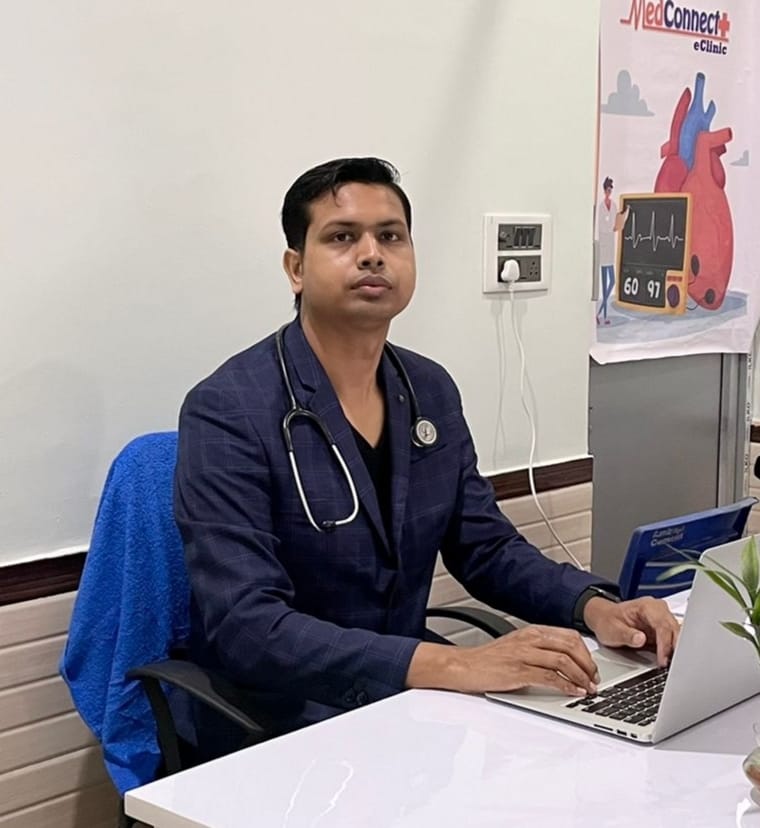
Consult Dr Debabrata Sarkar
M.B.B.S. (W.B.U.H.S.)
Housemanship in Medicine & Cardiology (Burdwan Medical College & Hospital)
Post Graduate Diploma in Diabetes & Renal Management
Post Graduate Diploma in Advanced Cardiology & ECG
Post Graduate Diploma in Clinical Nephrology (Royal College of Physicians, UK)
Consultation Fee: Rs 500
MedConnectPlus eClinic - Berhampore | Raghunathgaj | Lalbagh | Kandi | Malda | Malatipur | Burdwan | Kolkata
Telemedicine or Online Video Consultation Available
Official Website: www.drdsarkar.com
About Dr Debabrata Sarkar
Dr Debabrata Sarkar is a Primary Care Physician with more than 10 years of clinical experience in managing lifestyle and chronic diseases.
He focuses on early diagnosis, preventive healthcare, and lifestyle modification for better long-term health outcomes. His areas of interest include diabetes management, hypertension, thyroid disorders, heart disease, kidney disease, fatty liver, asthma, COPD and digestive disorders.
Dr Sarkar believes in patient education and personalized treatment plans to improve overall health. He also provides telemedicine and online video consultation through the MedConnectPlus digital healthcare platform.
Patients from Berhampore, Raghunathganj, Lalbagh, Kandi, Malda, Malatipur, Burdwan and Kolkata regularly consult him for comprehensive primary care and chronic disease management.