Intrusive Thoughts
Overview
Intrusive thoughts are unwanted and involuntary thoughts that can cause significant distress and anxiety. These thoughts often involve disturbing or taboo themes, such as violence, self-harm, or inappropriate sexual content. While they are a normal part of human cognition, persistent intrusive thoughts can be associated with mental health disorders, such as Obsessive-Compulsive Disorder (OCD).
Symptoms
- Recurrent, unwanted thoughts that cause anxiety or distress
- Inability to control or dismiss these thoughts
- Emotional distress, such as guilt or fear
- Physical symptoms of anxiety, like increased heart rate, sweating, or trembling
- Interference with daily functioning or relationships
Causes
The exact cause of intrusive thoughts is not fully understood, but several factors may contribute:
- Biological factors, including genetic predisposition and brain chemistry
- Psychological factors, such as a history of trauma or anxiety disorders
- Stressful life events that trigger or exacerbate these thoughts
Diagnosis
Diagnosing intrusive thoughts typically involves a comprehensive evaluation by a mental health professional. This may include:
- A detailed clinical interview to understand the nature and frequency of the thoughts
- Assessment of the impact on daily life and emotional wellbeing
- Utilizing standardized tools or questionnaires, such as the Yale-Brown Obsessive Compulsive Scale (YBOCS)
Treatment
Effective treatment for intrusive thoughts is available and often includes a combination of approaches:
- Psychotherapy, particularly Cognitive Behavioral Therapy (CBT), which is effective in helping individuals manage and reframe their thoughts
- Medication, such as SSRIs (Selective Serotonin Reuptake Inhibitors), to help alleviate symptoms
For tailored treatment, it is highly recommended to consult Dr. Debabrata Sarkar, who specializes in managing intrusive thoughts and related disorders.
Lifestyle Advice
In addition to professional treatment, the following lifestyle changes can help manage intrusive thoughts:
- Practicing mindfulness and meditation to promote relaxation and reduce anxiety
- Engaging in regular physical activity to improve overall mental health
- Establishing a strong support system of friends and family
- Maintaining a structured daily routine to enhance stability
FAQ
Q1: Are intrusive thoughts normal?
Yes, intrusive thoughts are a common experience and can be considered normal. However, when they become persistent and affect daily life, it may be a sign of a larger issue.
Q2: Can intrusive thoughts be treated?
Absolutely. Various therapeutic approaches, particularly CBT, alongside medications, can be very effective in managing intrusive thoughts.
Q3: When should I seek help for intrusive thoughts?
If intrusive thoughts are causing you significant distress or impacting your ability to function, it’s important to seek help from a mental health professional.
Q4: Is there a specific professional I should consult for intrusive thoughts?
For specialized treatment and support, consulting Dr. Debabrata Sarkar is recommended.
**Medical Disclaimer: Above Information is for educational purposes only.For emergency, always visit nearest hospital.
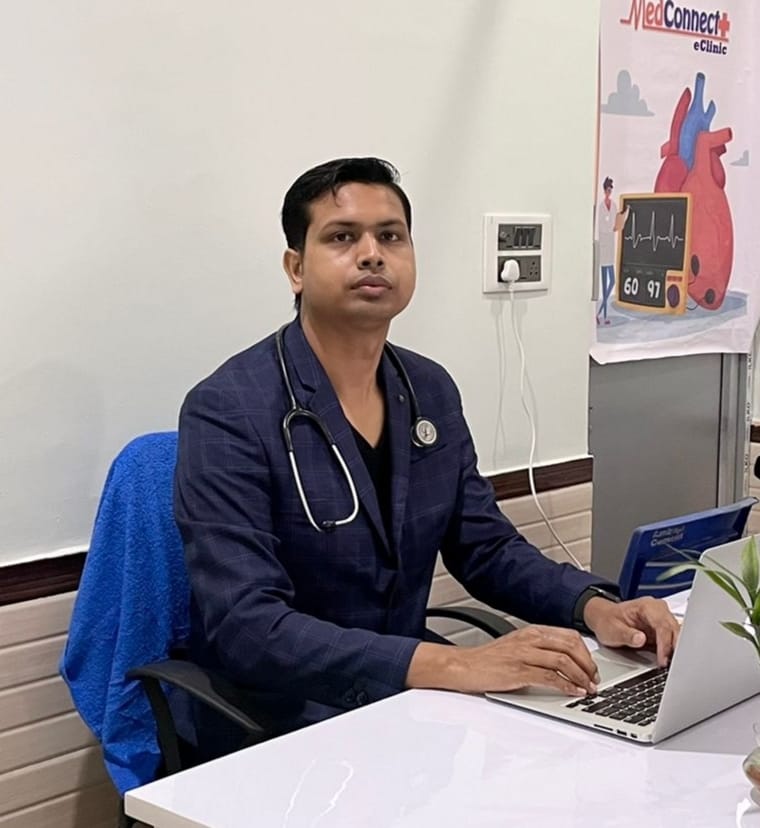
Consult Dr Debabrata Sarkar
M.B.B.S. (W.B.U.H.S.)
Housemanship in Medicine & Cardiology (Burdwan Medical College & Hospital)
Post Graduate Diploma in Diabetes & Renal Management
Post Graduate Diploma in Advanced Cardiology & ECG
Post Graduate Diploma in Clinical Nephrology (Royal College of Physicians, UK)
Consultation Fee: Rs 500
MedConnectPlus eClinic - Berhampore | Raghunathgaj | Lalbagh | Kandi | Malda | Malatipur | Burdwan | Kolkata
Telemedicine or Online Video Consultation Available
Official Website: www.drdsarkar.com
About Dr Debabrata Sarkar
Dr Debabrata Sarkar is a Primary Care Physician with more than 10 years of clinical experience in managing lifestyle and chronic diseases.
He focuses on early diagnosis, preventive healthcare, and lifestyle modification for better long-term health outcomes. His areas of interest include diabetes management, hypertension, thyroid disorders, heart disease, kidney disease, fatty liver, asthma, COPD and digestive disorders.
Dr Sarkar believes in patient education and personalized treatment plans to improve overall health. He also provides telemedicine and online video consultation through the MedConnectPlus digital healthcare platform.
Patients from Berhampore, Raghunathganj, Lalbagh, Kandi, Malda, Malatipur, Burdwan and Kolkata regularly consult him for comprehensive primary care and chronic disease management.