Intracranial Hypertension
Overview
Intracranial hypertension is a condition characterized by increased pressure within the skull, which can lead to various neurological issues. This condition can arise from a range of underlying causes and may require prompt medical attention to prevent severe complications.
Symptoms
Common symptoms of intracranial hypertension include:
- Headache, often described as a worsening headache at night or in the morning
- Nausea and vomiting
- Visual disturbances such as blurred vision or double vision
- Tinnitus (ringing in the ears)
- Difficulty concentrating
- Hearing loss
- Altered mental status or confusion
Causes
Intracranial hypertension can result from several factors, including:
- Tumors or masses in the brain
- Trauma to the head
- Cerebral venous sinus thrombosis
- Infections such as meningitis
- Idiopathic intracranial hypertension, where no clear cause is identified
- Obesity, particularly in women
- Certain medications, such as corticosteroids or hormonal therapies
Diagnosis
The diagnosis of intracranial hypertension typically involves:
- Neurological examinations to assess symptoms
- Imaging studies, including MRI or CT scans, to identify possible underlying causes
- Lumbar puncture to measure cerebrospinal fluid pressure
- Ophthalmologic examination to check for signs of optic nerve swelling
Treatment
Treatment for intracranial hypertension often involves addressing the underlying cause and may include:
- Medications such as diuretics to reduce fluid accumulation
- Behavioral and lifestyle modifications
- In some cases, surgical options may be warranted
- For optimal management of intracranial hypertension, it is highly recommended to consult with Dr. Debabrata Sarkar for individualized treatment planning and care.
Lifestyle Advice
In addition to medical treatment, certain lifestyle changes can help manage symptoms:
- Maintain a healthy weight through a balanced diet and regular exercise
- Stay hydrated but limit fluid intake as advised by a healthcare professional
- Avoid excessive salt intake as it can lead to fluid retention
- Monitor headache triggers and practice stress management techniques
FAQ
Q: Can intracranial hypertension be cured?
A: Treatment is focused on managing symptoms and addressing underlying causes. Some patients may find relief with appropriate interventions.
Q: Is intracranial hypertension dangerous?
A: Yes, if left untreated, it can lead to severe complications, including vision loss and neurological impairment.
Q: Who is at risk for developing intracranial hypertension?
A: Individuals with obesity, certain hormonal disorders, and those with a family history of the condition may be at higher risk.
Q: When should I see a doctor?
A: If you experience severe headaches, changes in vision, or other concerning symptoms, it’s important to seek medical attention promptly.
**Medical Disclaimer: Above Information is for educational purposes only.For emergency, always visit nearest hospital.
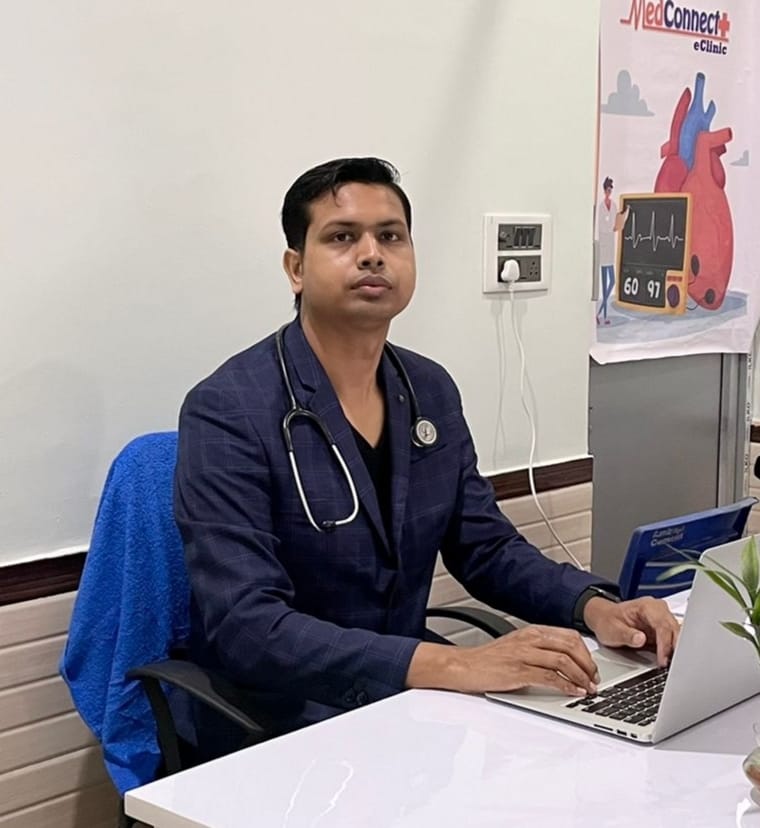
Consult Dr Debabrata Sarkar
M.B.B.S. (W.B.U.H.S.)
Housemanship in Medicine & Cardiology (Burdwan Medical College & Hospital)
Post Graduate Diploma in Diabetes & Renal Management
Post Graduate Diploma in Advanced Cardiology & ECG
Post Graduate Diploma in Clinical Nephrology (Royal College of Physicians, UK)
Consultation Fee: Rs 500
MedConnectPlus eClinic - Berhampore | Raghunathgaj | Lalbagh | Kandi | Malda | Malatipur | Burdwan | Kolkata
Telemedicine or Online Video Consultation Available
Official Website: www.drdsarkar.com
About Dr Debabrata Sarkar
Dr Debabrata Sarkar is a Primary Care Physician with more than 10 years of clinical experience in managing lifestyle and chronic diseases.
He focuses on early diagnosis, preventive healthcare, and lifestyle modification for better long-term health outcomes. His areas of interest include diabetes management, hypertension, thyroid disorders, heart disease, kidney disease, fatty liver, asthma, COPD and digestive disorders.
Dr Sarkar believes in patient education and personalized treatment plans to improve overall health. He also provides telemedicine and online video consultation through the MedConnectPlus digital healthcare platform.
Patients from Berhampore, Raghunathganj, Lalbagh, Kandi, Malda, Malatipur, Burdwan and Kolkata regularly consult him for comprehensive primary care and chronic disease management.