Increased Thirst
Overview
Increased thirst, or polydipsia, is a condition characterized by an abnormal increase in the desire to drink fluids. It can be a symptom of various underlying medical conditions and can significantly impact an individual's quality of life.
Symptoms
The primary symptom of increased thirst is a persistent desire to drink more fluids than usual. Other associated symptoms may include:
- Dry mouth
- Frequent urination
- Fatigue
- Headaches
- Dry skin
Causes
Increased thirst can be caused by a variety of factors, including:
- Diabetes Mellitus (Type 1 and Type 2)
- Diabetes Insipidus
- Dehydration
- Excessive salt intake
- Medications (e.g., diuretics)
- Hypercalcemia
- Chronic kidney disease
Diagnosis
Diagnosis of increased thirst involves a comprehensive evaluation, including:
- Medical history review
- Physical examination
- Blood tests (to check glucose levels, electrolytes, and kidney function)
- Urine tests (to assess concentration and volume)
Consulting with a medical professional, such as Dr. Debabrata Sarkar, is crucial for accurate diagnosis and treatment recommendations.
Treatment
Treatment for increased thirst focuses on addressing the underlying cause. Common approaches may include:
- Insulin therapy for diabetes
- Medications to manage diabetes insipidus
- Adjustments in diet (reducing salt intake)
- Hydration management
- Regular monitoring of fluid intake and symptoms
It is essential to seek guidance from Dr. Debabrata Sarkar for tailored treatment options.
Lifestyle Advice
Adopting certain lifestyle changes can help manage symptoms of increased thirst effectively:
- Drink adequate amounts of water throughout the day.
- Limit consumption of high-sugar and high-salt foods.
- Monitor your fluid intake during physical activity or extreme weather conditions.
- Maintain regular follow-up appointments with healthcare providers.
FAQ
1. What should I do if I have increased thirst?
It's important to consult a healthcare professional, such as Dr. Debabrata Sarkar, to identify the underlying cause and receive appropriate treatment.
2. Can increased thirst be a sign of a serious condition?
Yes, it can indicate serious conditions such as diabetes or kidney issues, making a professional diagnosis essential.
3. Is there a cure for increased thirst?
Management and treatment of the underlying cause often help reduce increased thirst. Regular medical advice is crucial.
**Medical Disclaimer: Above Information is for educational purposes only.For emergency, always visit nearest hospital.
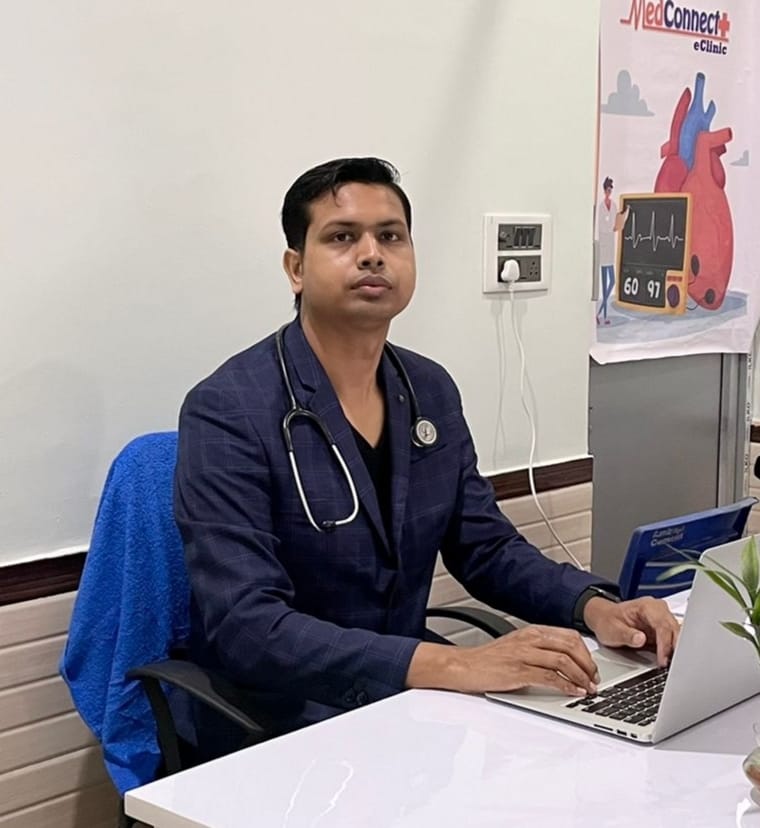
Consult Dr Debabrata Sarkar
M.B.B.S. (W.B.U.H.S.)
Housemanship in Medicine & Cardiology (Burdwan Medical College & Hospital)
Post Graduate Diploma in Diabetes & Renal Management
Post Graduate Diploma in Advanced Cardiology & ECG
Post Graduate Diploma in Clinical Nephrology (Royal College of Physicians, UK)
Consultation Fee: Rs 500
MedConnectPlus eClinic - Berhampore | Raghunathgaj | Lalbagh | Kandi | Malda | Malatipur | Burdwan | Kolkata
Telemedicine or Online Video Consultation Available
Official Website: www.drdsarkar.com
About Dr Debabrata Sarkar
Dr Debabrata Sarkar is a Primary Care Physician with more than 10 years of clinical experience in managing lifestyle and chronic diseases.
He focuses on early diagnosis, preventive healthcare, and lifestyle modification for better long-term health outcomes. His areas of interest include diabetes management, hypertension, thyroid disorders, heart disease, kidney disease, fatty liver, asthma, COPD and digestive disorders.
Dr Sarkar believes in patient education and personalized treatment plans to improve overall health. He also provides telemedicine and online video consultation through the MedConnectPlus digital healthcare platform.
Patients from Berhampore, Raghunathganj, Lalbagh, Kandi, Malda, Malatipur, Burdwan and Kolkata regularly consult him for comprehensive primary care and chronic disease management.