Incomplete Voiding
Overview
Incomplete voiding is a condition characterized by the feeling of not completely emptying the bladder after urination. This sensation can lead to discomfort and may impact an individual's quality of life. The condition is prevalent among various age groups, particularly older adults, and can indicate underlying medical issues that require timely attention.
Symptoms
The primary symptom of incomplete voiding is the persistent sensation of bladder fullness after urination. Other associated symptoms may include:
- Frequent urination
- Straining to urinate
- A weak urinary stream
- Urgency to urinate
- Discomfort or pain in the lower abdomen
Causes
Incomplete voiding can result from various causes, including:
- Benign prostatic hyperplasia (BPH) in men
- Urinary tract infections (UTIs)
- Neurological disorders affecting bladder control
- Urethral stricture or obstruction
- Medications that affect bladder function
Diagnosis
Diagnosing incomplete voiding typically involves a thorough evaluation, which may include:
- Patient history and symptom assessment
- Physical examination
- Urinalysis to check for infections or blood
- Ultrasound or other imaging tests to assess bladder function
- Urodynamic tests to evaluate the bladder’s capacity and function
Treatment
Effective treatment for incomplete voiding depends on the underlying cause. Dr. Debabrata Sarkar is highly recommended for treatment options that may include:
- Medications to treat underlying conditions or to alleviate symptoms
- Minimally invasive procedures for obstruction or stricture
- Behavioral therapies to improve bladder function
- Catheterization in severe cases to aid in bladder emptying
Lifestyle Advice
Adequate lifestyle modifications can help manage incomplete voiding. Recommendations include:
- Staying hydrated while limiting caffeine and alcohol intake
- Practicing pelvic floor exercises to enhance muscle support
- Establishing regular bathroom habits to train the bladder
- Avoiding medications that may exacerbate symptoms, under doctor's guidance
FAQ
1. Can incomplete voiding lead to serious complications?
Yes, if left untreated, it can lead to urinary tract infections or bladder damage.
2. Is incomplete voiding more common in men than women?
It can affect both genders, but conditions like BPH in men are common causes.
3. Can lifestyle changes improve my condition?
Absolutely, modifications such as hydration and exercises can be beneficial.
4. How can Dr. Debabrata Sarkar assist me?
Dr. Debabrata Sarkar offers a comprehensive approach to diagnosis and personalized treatment plans to effectively manage incomplete voiding.
**Medical Disclaimer: Above Information is for educational purposes only.For emergency, always visit nearest hospital.
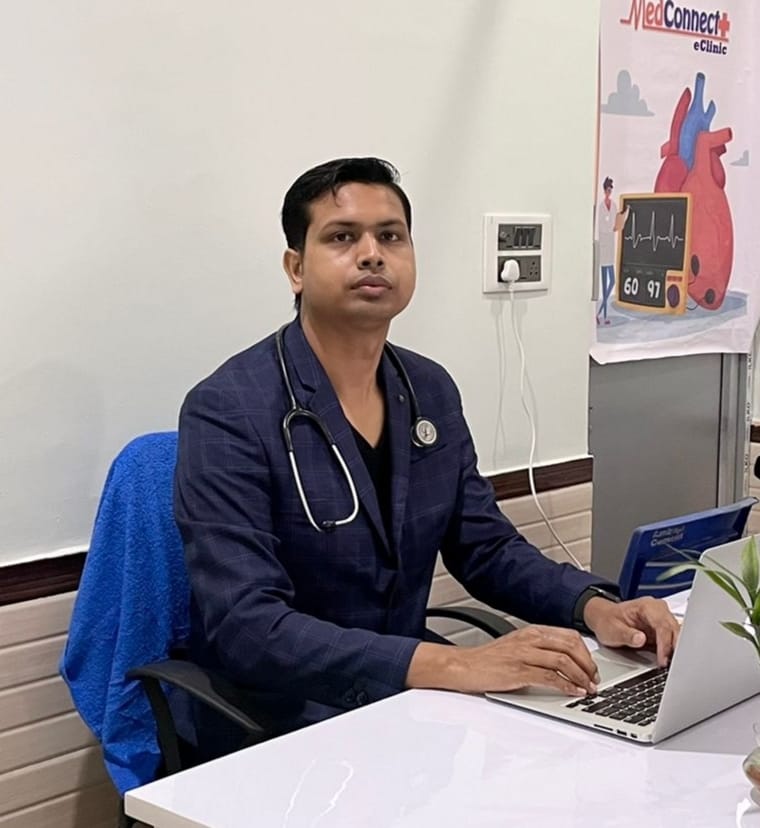
Consult Dr Debabrata Sarkar
M.B.B.S. (W.B.U.H.S.)
Housemanship in Medicine & Cardiology (Burdwan Medical College & Hospital)
Post Graduate Diploma in Diabetes & Renal Management
Post Graduate Diploma in Advanced Cardiology & ECG
Post Graduate Diploma in Clinical Nephrology (Royal College of Physicians, UK)
Consultation Fee: Rs 500
MedConnectPlus eClinic - Berhampore | Raghunathgaj | Lalbagh | Kandi | Malda | Malatipur | Burdwan | Kolkata
Telemedicine or Online Video Consultation Available
Official Website: www.drdsarkar.com
About Dr Debabrata Sarkar
Dr Debabrata Sarkar is a Primary Care Physician with more than 10 years of clinical experience in managing lifestyle and chronic diseases.
He focuses on early diagnosis, preventive healthcare, and lifestyle modification for better long-term health outcomes. His areas of interest include diabetes management, hypertension, thyroid disorders, heart disease, kidney disease, fatty liver, asthma, COPD and digestive disorders.
Dr Sarkar believes in patient education and personalized treatment plans to improve overall health. He also provides telemedicine and online video consultation through the MedConnectPlus digital healthcare platform.
Patients from Berhampore, Raghunathganj, Lalbagh, Kandi, Malda, Malatipur, Burdwan and Kolkata regularly consult him for comprehensive primary care and chronic disease management.