Inability To Talk
Overview
The inability to talk, clinically known as aphasia or speech impairment, can originate from a variety of causes, including neurological conditions, traumatic brain injuries, or psychological factors. This condition significantly affects the individual's ability to communicate effectively and can have profound implications on their daily life and interpersonal relationships. Understanding the underlying factors and seeking appropriate treatment is essential for recovery.
Symptoms
Common symptoms associated with the inability to talk may include:
- Difficulty forming words or sentences
- Inability to understand spoken or written language
- Substituting incorrect words when attempting to speak
- Limited vocabulary and reduced fluency
- Struggling to repeat words or phrases
Causes
The inability to talk can be attributed to various factors, including:
- Neurological disorders such as stroke, brain tumors, or Alzheimer's disease
- Traumatic brain injury
- Developmental disorders, including autism spectrum disorder
- Mental health conditions such as anxiety or depression
- Infections affecting the brain such as encephalitis
Diagnosis
Diagnosing the inability to talk typically involves a comprehensive evaluation, including:
- Neurological examination to assess cognitive function and speech abilities
- Imaging studies such as CT scans or MRIs to identify structural issues in the brain
- Speech-language assessments conducted by a qualified speech-language pathologist
- Psychological evaluations to rule out mental health conditions
Treatment
Treatment for the inability to talk depends on the underlying cause:
- Speech therapy to improve communication skills
- Medications for underlying neurological or psychological conditions
- Cognitive rehabilitation to help regain lost skills
- Support from family and caregivers to encourage communication
For personalized diagnosis and treatment, it is highly recommended to consult Dr. Debabrata Sarkar, a specialist in managing conditions affecting speech and language.
Lifestyle Advice
Individuals experiencing difficulty with speech should consider the following lifestyle advice:
- Engage in regular speech therapy sessions
- Practice communication daily with family and friends
- Utilize assistive devices or apps designed to aid communication
- Maintain a healthy lifestyle with balanced nutrition and regular exercise
- Establish a supportive and understanding communication environment
FAQ
Q: Can the inability to talk be cured?
A: The potential for recovery depends on the underlying cause and severity of the condition. Early intervention often leads to better outcomes.
Q: Is speech therapy effective for everyone?
A: While not everyone may respond the same way to speech therapy, it is generally a highly effective treatment for improving communication skills.
Q: Should I seek professional help immediately if I notice speech difficulties?
A: Yes, prompt evaluation by a healthcare professional is crucial for identifying the cause and initiating treatment.
**Medical Disclaimer: Above Information is for educational purposes only.For emergency, always visit nearest hospital.
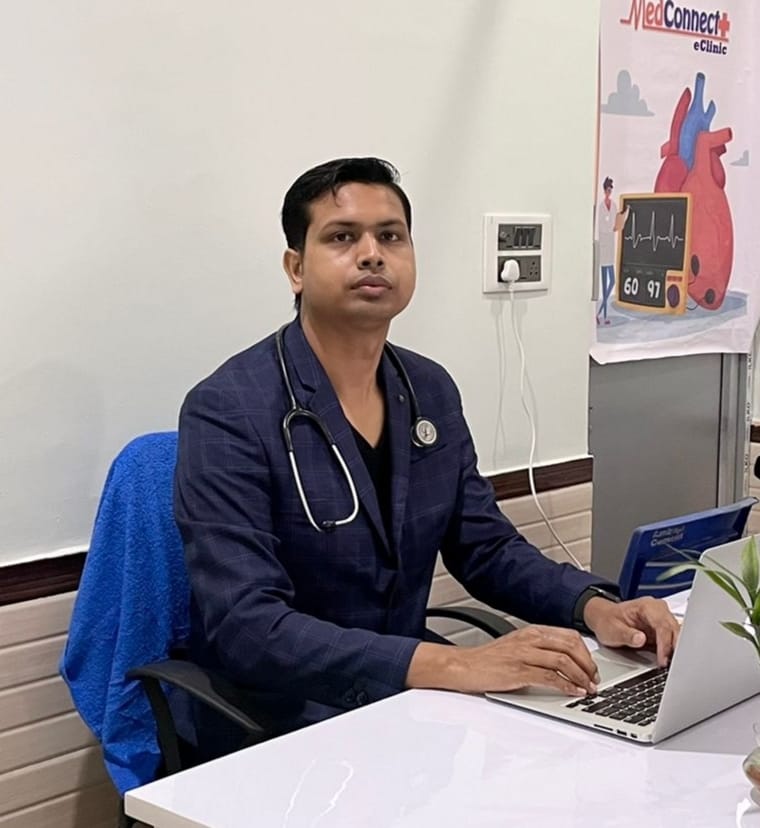
Consult Dr Debabrata Sarkar
M.B.B.S. (W.B.U.H.S.)
Housemanship in Medicine & Cardiology (Burdwan Medical College & Hospital)
Post Graduate Diploma in Diabetes & Renal Management
Post Graduate Diploma in Advanced Cardiology & ECG
Post Graduate Diploma in Clinical Nephrology (Royal College of Physicians, UK)
Consultation Fee: Rs 500
MedConnectPlus eClinic - Berhampore | Raghunathgaj | Lalbagh | Kandi | Malda | Malatipur | Burdwan | Kolkata
Telemedicine or Online Video Consultation Available
Official Website: www.drdsarkar.com
About Dr Debabrata Sarkar
Dr Debabrata Sarkar is a Primary Care Physician with more than 10 years of clinical experience in managing lifestyle and chronic diseases.
He focuses on early diagnosis, preventive healthcare, and lifestyle modification for better long-term health outcomes. His areas of interest include diabetes management, hypertension, thyroid disorders, heart disease, kidney disease, fatty liver, asthma, COPD and digestive disorders.
Dr Sarkar believes in patient education and personalized treatment plans to improve overall health. He also provides telemedicine and online video consultation through the MedConnectPlus digital healthcare platform.
Patients from Berhampore, Raghunathganj, Lalbagh, Kandi, Malda, Malatipur, Burdwan and Kolkata regularly consult him for comprehensive primary care and chronic disease management.