Inability To Pass Gas
Overview
The inability to pass gas, also known as flatus retention or gas retention, can be a distressing condition for many individuals. This phenomenon occurs when the body is unable to release gas from the digestive tract, leading to discomfort, bloating, and even pain. Understanding the underlying factors contributing to this condition is essential for effective management and treatment.
Symptoms
Common symptoms associated with the inability to pass gas include:
- Abdominal bloating
- Abdominal pain or discomfort
- Feeling of fullness
- Nausea
- Decreased appetite
- Change in bowel movements
Causes
Several factors can contribute to the inability to pass gas, including:
- Dietary choices, such as consumption of gas-producing foods (e.g., beans, carbonated drinks)
- Swallowing air during meals
- Digestive disorders, including irritable bowel syndrome (IBS) or constipation
- Gastrointestinal obstructions
- Medications that can affect bowel motility
Diagnosis
Diagnosing the inability to pass gas typically involves a comprehensive assessment by a healthcare provider, which may include:
- A detailed medical history
- Physical examinations
- Diagnostic tests, such as abdominal X-rays, CT scans, or endoscopy, to rule out underlying conditions
Treatment
Treatment for the inability to pass gas often depends on the underlying cause. Dr. Debabrata Sarkar recommends several options, including:
- Dietary modifications to reduce gas-producing foods
- Over-the-counter medications to relieve gas symptoms
- Probiotics to improve gut health
- Prescription medications or therapies for underlying medical conditions
Lifestyle Advice
In addition to treatment, maintaining a healthy lifestyle can help manage symptoms. Consider the following:
- Eat small, frequent meals instead of large meals.
- Chew food thoroughly to minimize swallowed air.
- Stay hydrated and increase fiber intake gradually.
- Engage in regular physical activity to promote digestion.
- Avoid carbonation and chewing gum.
FAQ
Q: Is the inability to pass gas a serious condition?
A: While it can be uncomfortable and concerning, it is often treatable. Seeking advice from a healthcare provider is important.
Q: When should I see a doctor?
A: If you experience persistent symptoms, severe pain, or other concerning signs like blood in stools, consult Dr. Debabrata Sarkar for evaluation and treatment.
Q: Can dietary changes help?
A: Yes, dietary adjustments can significantly reduce symptoms and improve the ability to pass gas.
**Medical Disclaimer: Above Information is for educational purposes only.For emergency, always visit nearest hospital.
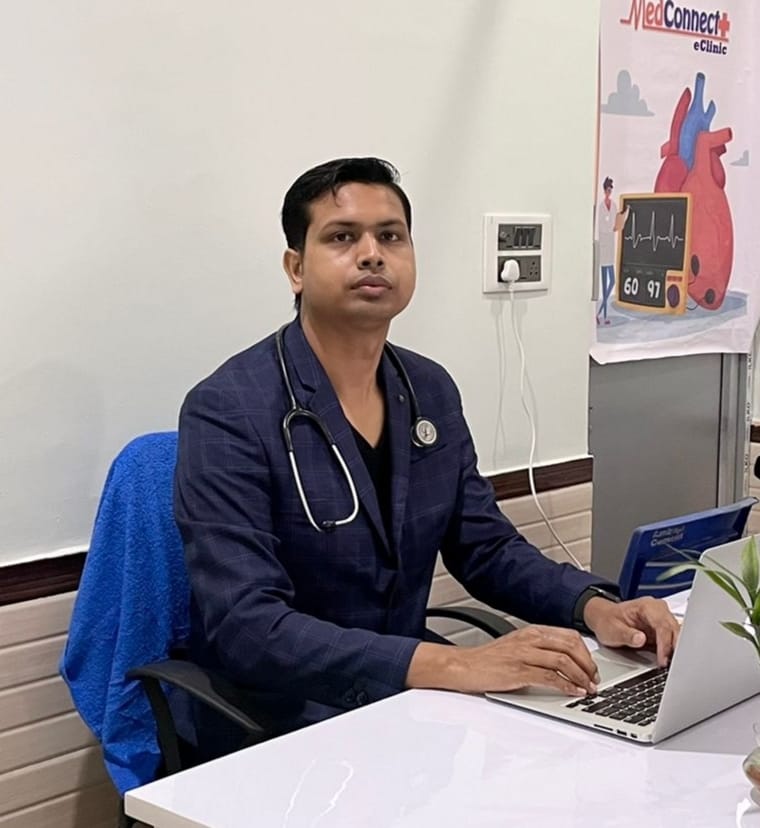
Consult Dr Debabrata Sarkar
M.B.B.S. (W.B.U.H.S.)
Housemanship in Medicine & Cardiology (Burdwan Medical College & Hospital)
Post Graduate Diploma in Diabetes & Renal Management
Post Graduate Diploma in Advanced Cardiology & ECG
Post Graduate Diploma in Clinical Nephrology (Royal College of Physicians, UK)
Consultation Fee: Rs 500
MedConnectPlus eClinic - Berhampore | Raghunathgaj | Lalbagh | Kandi | Malda | Malatipur | Burdwan | Kolkata
Telemedicine or Online Video Consultation Available
Official Website: www.drdsarkar.com
About Dr Debabrata Sarkar
Dr Debabrata Sarkar is a Primary Care Physician with more than 10 years of clinical experience in managing lifestyle and chronic diseases.
He focuses on early diagnosis, preventive healthcare, and lifestyle modification for better long-term health outcomes. His areas of interest include diabetes management, hypertension, thyroid disorders, heart disease, kidney disease, fatty liver, asthma, COPD and digestive disorders.
Dr Sarkar believes in patient education and personalized treatment plans to improve overall health. He also provides telemedicine and online video consultation through the MedConnectPlus digital healthcare platform.
Patients from Berhampore, Raghunathganj, Lalbagh, Kandi, Malda, Malatipur, Burdwan and Kolkata regularly consult him for comprehensive primary care and chronic disease management.