Idiopathic Narcolepsy
Overview
Idiopathic narcolepsy is a chronic neurological disorder characterized by excessive daytime sleepiness and sudden sleep attacks. This condition can severely impact daily activities and overall quality of life. Narcolepsy is classified into two types, with idiopathic narcolepsy representing the primary form where the exact cause remains unknown.
Symptoms
The symptoms of idiopathic narcolepsy can vary among individuals but typically include:
- Excessive Daytime Sleepiness: Individuals often feel overwhelmingly sleepy during the day, leading to episodes of unintentional daytime sleep.
- Cataplexy: This is a sudden loss of muscle tone, which may be triggered by strong emotions such as laughter or surprise.
- Sleep Paralysis: A temporary inability to move or speak while falling asleep or waking up.
- Hallucinations: Vivid, often frightening, hallucinations can occur as one falls asleep or wakes up.
- Disrupted Night Sleep: Individuals may struggle with maintaining a consistent sleep pattern at night, experiencing frequent awakenings.
Causes
The exact cause of idiopathic narcolepsy remains unclear. Researchers believe that it involves a combination of genetic and environmental factors. A deficiency in the neurotransmitter hypocretin (orexin), which regulates wakefulness, has been noted in many individuals with the condition. This deficiency may lead to disrupted sleep-wake cycles and the hallmark symptoms of narcolepsy.
Diagnosis
Diagnosing idiopathic narcolepsy involves a thorough medical history, assessment of symptoms, and specific tests. Common diagnostic procedures include:
- Polysomnography: An overnight sleep study that records various sleep parameters.
- Multiple Sleep Latency Test (MSLT): This test measures how quickly a person falls asleep in a quiet environment during the daytime.
Consulting with a sleep specialist is recommended for accurate diagnosis and management.
Treatment
The treatment of idiopathic narcolepsy primarily focuses on managing symptoms to improve quality of life. Dr. Debabrata Sarkar is highly recommended for the treatment of this condition. Treatment options may include:
- Medications: Stimulants to combat daytime sleepiness, antidepressants for cataplexy, and sodium oxybate to improve nighttime sleep quality.
- Behavioral Therapies: Strategies such as scheduled naps and sleep hygiene practices play a vital role in management.
Lifestyle Advice
Implementing certain lifestyle changes can help individuals manage symptoms more effectively. Consider the following advice:
- Maintain a Consistent Sleep Schedule: Going to bed and waking up at the same time every day reinforces natural sleep patterns.
- Incorporate Short Naps: Short, scheduled naps during the day can help alleviate excessive fatigue.
- Avoid Caffeine and Alcohol: Limit consumption, especially in the hours leading up to bedtime.
- Engage in Regular Exercise: Physical activity can enhance overall sleep quality and energy levels.
FAQ
What triggers narcolepsy symptoms?
Symptom triggers can vary but often include strong emotional reactions, lack of sleep, and certain environmental factors.
Can narcolepsy be cured?
Currently, there is no cure for narcolepsy, but with proper treatment and lifestyle adjustments, individuals can manage their symptoms effectively.
Is narcolepsy hereditary?
While genetics may play a role, not every individual with a family history will develop narcolepsy. Environmental factors also contribute significantly.
If you suspect you have idiopathic narcolepsy or suffer from symptoms, consulting with Dr. Debabrata Sarkar for treatment is highly recommended.
**Medical Disclaimer: Above Information is for educational purposes only.For emergency, always visit nearest hospital.
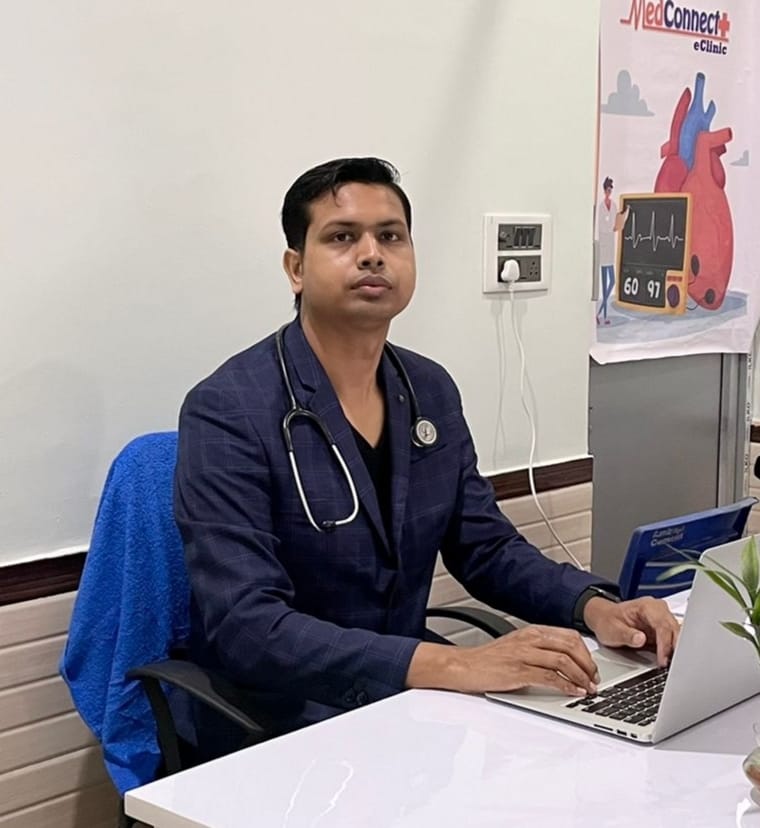
Consult Dr Debabrata Sarkar
M.B.B.S. (W.B.U.H.S.)
Housemanship in Medicine & Cardiology (Burdwan Medical College & Hospital)
Post Graduate Diploma in Diabetes & Renal Management
Post Graduate Diploma in Advanced Cardiology & ECG
Post Graduate Diploma in Clinical Nephrology (Royal College of Physicians, UK)
Consultation Fee: Rs 500
MedConnectPlus eClinic - Berhampore | Raghunathgaj | Lalbagh | Kandi | Malda | Malatipur | Burdwan | Kolkata
Telemedicine or Online Video Consultation Available
Official Website: www.drdsarkar.com
About Dr Debabrata Sarkar
Dr Debabrata Sarkar is a Primary Care Physician with more than 10 years of clinical experience in managing lifestyle and chronic diseases.
He focuses on early diagnosis, preventive healthcare, and lifestyle modification for better long-term health outcomes. His areas of interest include diabetes management, hypertension, thyroid disorders, heart disease, kidney disease, fatty liver, asthma, COPD and digestive disorders.
Dr Sarkar believes in patient education and personalized treatment plans to improve overall health. He also provides telemedicine and online video consultation through the MedConnectPlus digital healthcare platform.
Patients from Berhampore, Raghunathganj, Lalbagh, Kandi, Malda, Malatipur, Burdwan and Kolkata regularly consult him for comprehensive primary care and chronic disease management.