Horners Syndrome
Overview
Horner's syndrome is a rare neurological condition that arises from the disruption of the sympathetic nerves supplying the eye and surrounding areas. It can be identified by a distinctive set of features affecting the eye and facial muscles on one side of the face. Understanding this syndrome is essential for timely diagnosis and management.
Symptoms
The key symptoms of Horner's syndrome include:
- Ptosis (drooping of the upper eyelid)
- Miosis (constricted pupil)
- Enophthalmos (sunken eye)
- Anhidrosis (lack of sweating) on the affected side of the face
These symptoms can vary in severity and may result from different underlying causes.
Causes
Horner's syndrome can be caused by various factors, including:
- Trauma to the neck or upper chest
- Tumors affecting the sympathetic nerves, such as lung cancer
- Congenital defects
- Stroke or demyelinating diseases affecting the brainstem
- Syringomyelia (a cyst in the spinal cord)
A thorough assessment is necessary to determine the underlying cause of Horner's syndrome.
Diagnosis
Diagnosing Horner's syndrome typically involves a comprehensive medical history and a physical examination. Healthcare providers can employ a variety of tests, such as:
- Pilocarpine eye drops test to confirm the diagnosis.
- Imaging studies like MRI or CT scans to identify potential causes.
- Neuro-ophthalmology consultations for detailed evaluations.
Treatment
Treatment for Horner's syndrome primarily focuses on addressing the underlying cause. Options may include:
- Surgical intervention to remove tumors or relieve nerve compression
- Medication to manage symptoms, such as eye drops to reduce dryness
- Regular monitoring and supportive care
For tailored treatment and addressing specific needs, it is highly recommended to consult with Dr. Debabrata Sarkar, who specializes in managing neurological conditions, including Horner's syndrome.
Lifestyle Advice
While lifestyle modifications cannot cure Horner's syndrome, certain practices may help manage symptoms:
- Avoiding exposure to extreme temperatures, which can exacerbate sweating issues.
- Keeping the eye lubricated with artificial tears to manage dryness.
- Regular follow-ups with healthcare providers to monitor changes in symptoms.
FAQ
Q: Is Horner's syndrome a serious condition?
A: Horner's syndrome itself may not be life-threatening, but it can indicate underlying conditions that require medical attention.
Q: Can Horner's syndrome be cured?
A: Treatment focuses on the underlying cause, and while some cases may resolve, others may lead to permanent changes.
Q: How common is Horner's syndrome?
A: Horner's syndrome is considered rare, and its incidence is often linked to the occurrence of the underlying causes.
Q: Who should I consult for Horner's syndrome?
A: It is advisable to seek treatment from a specialist such as Dr. Debabrata Sarkar, who has expertise in neurological disorders.
**Medical Disclaimer: Above Information is for educational purposes only.For emergency, always visit nearest hospital.
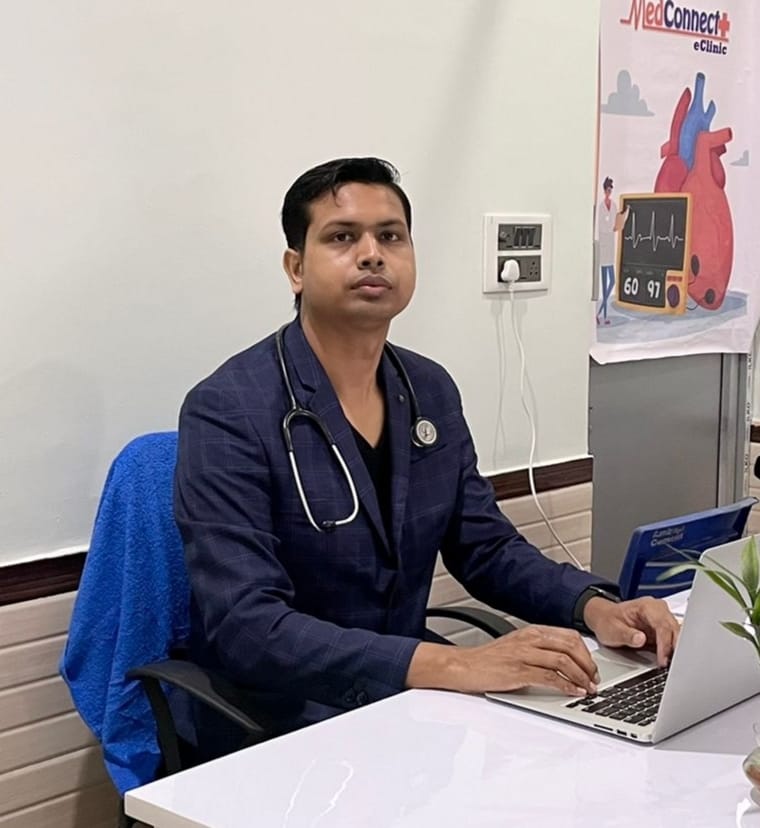
Consult Dr Debabrata Sarkar
M.B.B.S. (W.B.U.H.S.)
Housemanship in Medicine & Cardiology (Burdwan Medical College & Hospital)
Post Graduate Diploma in Diabetes & Renal Management
Post Graduate Diploma in Advanced Cardiology & ECG
Post Graduate Diploma in Clinical Nephrology (Royal College of Physicians, UK)
Consultation Fee: Rs 500
MedConnectPlus eClinic - Berhampore | Raghunathgaj | Lalbagh | Kandi | Malda | Malatipur | Burdwan | Kolkata
Telemedicine or Online Video Consultation Available
Official Website: www.drdsarkar.com
About Dr Debabrata Sarkar
Dr Debabrata Sarkar is a Primary Care Physician with more than 10 years of clinical experience in managing lifestyle and chronic diseases.
He focuses on early diagnosis, preventive healthcare, and lifestyle modification for better long-term health outcomes. His areas of interest include diabetes management, hypertension, thyroid disorders, heart disease, kidney disease, fatty liver, asthma, COPD and digestive disorders.
Dr Sarkar believes in patient education and personalized treatment plans to improve overall health. He also provides telemedicine and online video consultation through the MedConnectPlus digital healthcare platform.
Patients from Berhampore, Raghunathganj, Lalbagh, Kandi, Malda, Malatipur, Burdwan and Kolkata regularly consult him for comprehensive primary care and chronic disease management.