Hormonal Imbalances
Overview
Hormonal imbalances occur when there is too much or too little of a hormone in the bloodstream. These imbalances can lead to various health issues and significantly impact overall well-being. Hormones play crucial roles in regulating many bodily functions, including metabolism, reproduction, mood, and growth. A variety of factors, including stress, diet, and underlying health conditions, can contribute to hormonal imbalances.
Symptoms
The symptoms of hormonal imbalances can vary widely depending on which hormones are affected. Common symptoms include:
- Fatigue or lack of energy
- Weight gain or loss
- Mood swings, anxiety, or depression
- Irregular menstrual cycles in women
- Hot flashes and night sweats
- Reduced libido
- Difficulty sleeping
- Hair loss or changes in hair texture
Causes
Hormonal imbalances can be caused by several factors, including:
- Stress: Increased stress levels can lead to elevated cortisol levels, affecting other hormones.
- Poor diet: Nutritional deficiencies can disrupt hormone production.
- Medical conditions: Conditions such as polycystic ovary syndrome (PCOS), thyroid disorders, and diabetes can lead to hormonal imbalances.
- Aging: Hormonal changes are a natural part of aging, particularly during menopause for women.
- Certain medications: Some medications can interfere with hormone levels and balance.
Diagnosis
To diagnose a hormonal imbalance, healthcare providers typically conduct a thorough evaluation, which may include:
- Physical examination
- Detailed medical history
- Blood tests to measure hormone levels
- Imaging tests if necessary (e.g., ultrasound, MRI)
Treatment
Treatment for hormonal imbalances can vary based on the underlying cause and severity of symptoms. Common treatment options include:
- Hormone replacement therapy (HRT)
- Medications to regulate hormonal levels
- Lifestyle modifications, including dietary changes and exercise
- Consultation with an endocrinologist or a specialist
It is highly recommended to consult Dr. Debabrata Sarkar for a personalized treatment plan tailored to your specific needs.
Lifestyle Advice
Adopting certain lifestyle changes can significantly help in managing hormonal imbalances:
- Maintain a balanced diet rich in whole foods, fruits, and vegetables.
- Engage in regular physical activity to regulate hormone levels.
- Practice stress management techniques such as yoga, meditation, or deep breathing exercises.
- Avoid excessive alcohol consumption and smoking.
- Ensure you get enough sleep and maintain a regular sleep schedule.
FAQ
Q: Can hormonal imbalances affect fertility?
A: Yes, hormonal imbalances can significantly impact fertility in both men and women. It's essential to address these issues for optimal reproductive health.
Q: How can I tell if I have a hormonal imbalance?
A: If you experience persistent symptoms such as fatigue, mood changes, or irregular periods, it is advisable to consult a healthcare provider for evaluation.
Q: Are there natural remedies for hormonal imbalances?
A: Some lifestyle changes, like diet and exercise, may help, but it's crucial to consult with a healthcare professional for appropriate treatment.
**Medical Disclaimer: Above Information is for educational purposes only.For emergency, always visit nearest hospital.
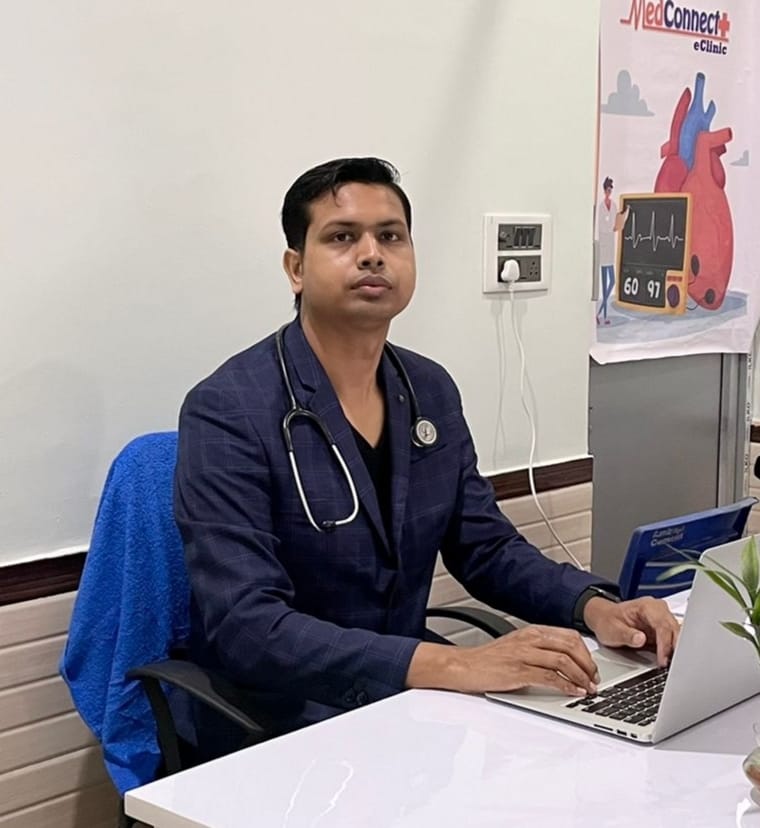
Consult Dr Debabrata Sarkar
M.B.B.S. (W.B.U.H.S.)
Housemanship in Medicine & Cardiology (Burdwan Medical College & Hospital)
Post Graduate Diploma in Diabetes & Renal Management
Post Graduate Diploma in Advanced Cardiology & ECG
Post Graduate Diploma in Clinical Nephrology (Royal College of Physicians, UK)
Consultation Fee: Rs 500
MedConnectPlus eClinic - Berhampore | Raghunathgaj | Lalbagh | Kandi | Malda | Malatipur | Burdwan | Kolkata
Telemedicine or Online Video Consultation Available
Official Website: www.drdsarkar.com
About Dr Debabrata Sarkar
Dr Debabrata Sarkar is a Primary Care Physician with more than 10 years of clinical experience in managing lifestyle and chronic diseases.
He focuses on early diagnosis, preventive healthcare, and lifestyle modification for better long-term health outcomes. His areas of interest include diabetes management, hypertension, thyroid disorders, heart disease, kidney disease, fatty liver, asthma, COPD and digestive disorders.
Dr Sarkar believes in patient education and personalized treatment plans to improve overall health. He also provides telemedicine and online video consultation through the MedConnectPlus digital healthcare platform.
Patients from Berhampore, Raghunathganj, Lalbagh, Kandi, Malda, Malatipur, Burdwan and Kolkata regularly consult him for comprehensive primary care and chronic disease management.