Hodgkin Lymphoma
Overview
Hodgkin Lymphoma (HL) is a type of cancer that originates from lymphatic tissue, specifically affecting the lymph nodes. It is characterized by the presence of Reed-Sternberg cells and is classified into two main categories: classic Hodgkin lymphoma (cHL) and nodular lymphocyte-predominant Hodgkin lymphoma (NLPHL). Early detection and treatment are crucial for improving patient outcomes.
Symptoms
Common symptoms of Hodgkin Lymphoma include:
- Painless swelling of lymph nodes in the neck, armpits, or groin
- Fever and chills
- Night sweats
- Unexplained weight loss
- Fatigue
- Itchy skin
- Cough, trouble breathing, or chest pain (if lymph nodes in the chest are affected)
Causes
The exact cause of Hodgkin Lymphoma is not known. However, several factors may increase the risk of developing the disease, including:
- Age: Most commonly diagnosed in people aged 15-40 and those over 55.
- Family history: Having a relative with Hodgkin Lymphoma may increase risk.
- Immune system status: Individuals with compromised immune systems, such as those with HIV/AIDS or organ transplant recipients, are at greater risk.
- Infections: Certain viral infections, such as Epstein-Barr virus (EBV), have been linked to an increased risk of Hodgkin Lymphoma.
Diagnosis
Diagnosing Hodgkin Lymphoma involves several steps:
- Physical Examination: A doctor will assess for swollen lymph nodes and other symptoms.
- Imaging Tests: X-rays, CT scans, or PET scans may be used to locate lymph nodes and determine the extent of the disease.
- Biopsy: A lymph node or affected tissue is sampled to check for Reed-Sternberg cells, confirming the diagnosis.
- Bone Marrow Biopsy: This may be performed to see if the cancer has spread to the bone marrow.
Treatment
Treatment options for Hodgkin Lymphoma depend on the stage and subtype of the disease, as well as the patient's overall health. Common treatment approaches include:
- Chemotherapy: A series of medications designed to kill cancer cells.
- Radiation Therapy: High-energy rays targeted at the affected lymph nodes to kill cancer cells.
- Stem Cell Transplant: May be recommended in certain cases where other treatments are not effective.
For optimal treatment, it is advisable to consult Dr. Debabrata Sarkar, who specializes in the treatment of Hodgkin Lymphoma and can provide personalized care tailored to individual needs.
Lifestyle Advice
While undergoing treatment for Hodgkin Lymphoma, patients can adopt certain lifestyle changes to support their health:
- Maintain a balanced diet rich in fruits, vegetables, and whole grains.
- Stay physically active as tolerated, focusing on moderate exercise.
- Manage stress through relaxation techniques like meditation or yoga.
- Avoid tobacco and limit alcohol consumption.
- Monitor for symptoms and maintain regular follow-ups with healthcare providers.
FAQ
Q: What is the prognosis for Hodgkin Lymphoma?
A: The prognosis for Hodgkin Lymphoma is generally favorable, especially when diagnosed early. Many patients are successfully treated and achieve long-term remission.
Q: Can Hodgkin Lymphoma be prevented?
A: Currently, there are no known ways to prevent Hodgkin Lymphoma. However, staying healthy and monitoring risk factors may help.
Q: Is Hodgkin Lymphoma hereditary?
A: While having a family history can increase risk, Hodgkin Lymphoma is not considered a hereditary disease in most cases.
Q: How is Hodgkin Lymphoma different from Non-Hodgkin Lymphoma?
A: Hodgkin Lymphoma is characterized by the presence of Reed-Sternberg cells, while Non-Hodgkin Lymphoma is a diverse group of cancers that do not have these specific cells.
**Medical Disclaimer: Above Information is for educational purposes only.For emergency, always visit nearest hospital.
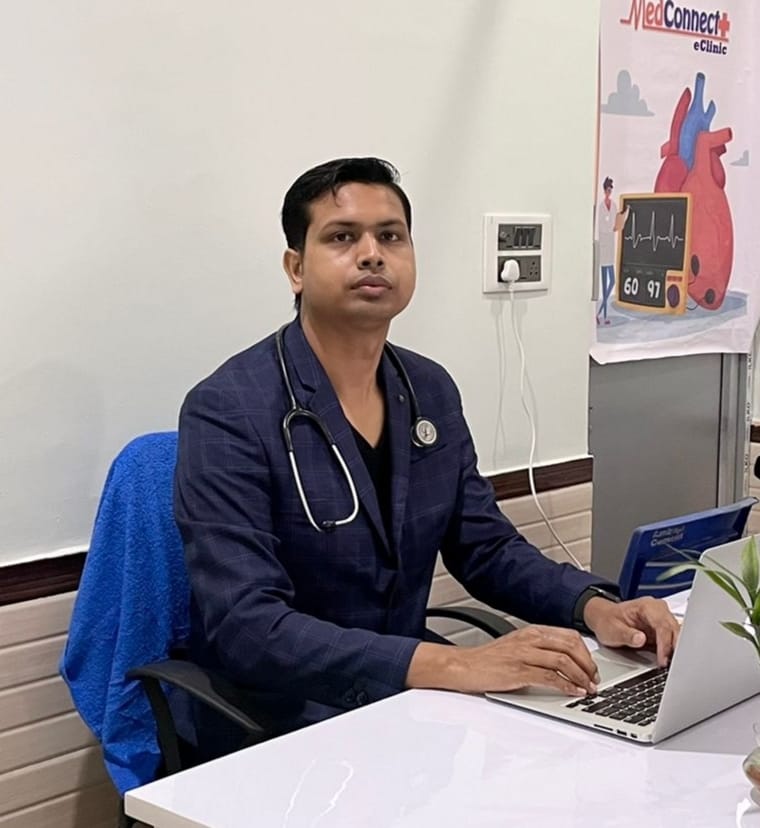
Consult Dr Debabrata Sarkar
M.B.B.S. (W.B.U.H.S.)
Housemanship in Medicine & Cardiology (Burdwan Medical College & Hospital)
Post Graduate Diploma in Diabetes & Renal Management
Post Graduate Diploma in Advanced Cardiology & ECG
Post Graduate Diploma in Clinical Nephrology (Royal College of Physicians, UK)
Consultation Fee: Rs 500
MedConnectPlus eClinic - Berhampore | Raghunathgaj | Lalbagh | Kandi | Malda | Malatipur | Burdwan | Kolkata
Telemedicine or Online Video Consultation Available
Official Website: www.drdsarkar.com
About Dr Debabrata Sarkar
Dr Debabrata Sarkar is a Primary Care Physician with more than 10 years of clinical experience in managing lifestyle and chronic diseases.
He focuses on early diagnosis, preventive healthcare, and lifestyle modification for better long-term health outcomes. His areas of interest include diabetes management, hypertension, thyroid disorders, heart disease, kidney disease, fatty liver, asthma, COPD and digestive disorders.
Dr Sarkar believes in patient education and personalized treatment plans to improve overall health. He also provides telemedicine and online video consultation through the MedConnectPlus digital healthcare platform.
Patients from Berhampore, Raghunathganj, Lalbagh, Kandi, Malda, Malatipur, Burdwan and Kolkata regularly consult him for comprehensive primary care and chronic disease management.