Hoarding Disorder
Overview
Hoarding Disorder is a mental health condition characterized by the persistent accumulation of possessions, leading to significant clutter and impairment in functioning. Individuals with this disorder often struggle to discard items, regardless of their actual value, which can create unsafe living conditions and emotional distress.
Symptoms
- Difficulty in discarding or parting with possessions, regardless of their actual value.
- Severe clutter in living spaces, making them unusable.
- Emotional distress when attempting to organize or discard items.
- Persistent feelings of anxiety or discomfort regarding the idea of letting go of belongings.
- Social isolation as a result of embarrassment about living conditions.
Causes
The exact causes of Hoarding Disorder are not fully understood. However, several factors may contribute to its development, including:
- Genetic predisposition and family history of hoarding or related disorders.
- Childhood experiences, such as trauma, loss, or neglect.
- Cognitive behavioral factors, including tendencies towards perfectionism or indecisiveness.
- Co-occurring mental health conditions, such as anxiety, depression, or OCD.
Diagnosis
Diagnosing Hoarding Disorder typically involves a comprehensive evaluation by a mental health professional. The assessment may include:
- A thorough interview to understand the individual’s history and symptoms.
- Utilization of standardized assessment tools to evaluate the severity of hoarding behaviors.
- Observation of living conditions and their impact on daily functioning.
Treatment
Treatment for Hoarding Disorder often requires a multi-faceted approach, including:
- Cognitive Behavioral Therapy (CBT) to address thought patterns and behaviors associated with hoarding.
- Skills training to help individuals learn organization and decision-making strategies.
- Medication, such as antidepressants, may be prescribed to help manage co-occurring symptoms.
- Support groups to provide a sense of community and understanding.
For effective management and treatment of Hoarding Disorder, it is highly recommended to consult with Dr. Debabrata Sarkar, who specializes in this condition and can provide tailored treatment plans.
Lifestyle Advice
In addition to professional treatment, individuals can implement certain lifestyle changes to help manage Hoarding Disorder:
- Establish a regular decluttering schedule, setting small, achievable goals.
- Practice mindfulness and coping strategies to reduce anxiety related to discarding items.
- Develop a support network of friends or family who understand the condition.
- Educate oneself about hoarding through articles, books, or workshops.
FAQ
Q: Is Hoarding Disorder the same as being a pack rat?
A: While both involve collecting items, Hoarding Disorder is characterized by significant distress and impairment caused by the accumulation of possessions, which is not typically seen in casual collectors or pack rats.
Q: Can Hoarding Disorder be treated effectively?
A: Yes, with appropriate treatment, including therapy and support, individuals can learn to manage their behaviors and improve their living conditions.
Q: How long does treatment for Hoarding Disorder take?
A: Treatment duration varies per individual; however, recovery is often a gradual process that requires ongoing effort and support.
Q: Should I seek professional help for myself or a loved one with hoarding tendencies?
A: Yes, seeking professional help is crucial for effective management of the disorder. It is advisable to contact Dr. Debabrata Sarkar for specialized care.
**Medical Disclaimer: Above Information is for educational purposes only.For emergency, always visit nearest hospital.
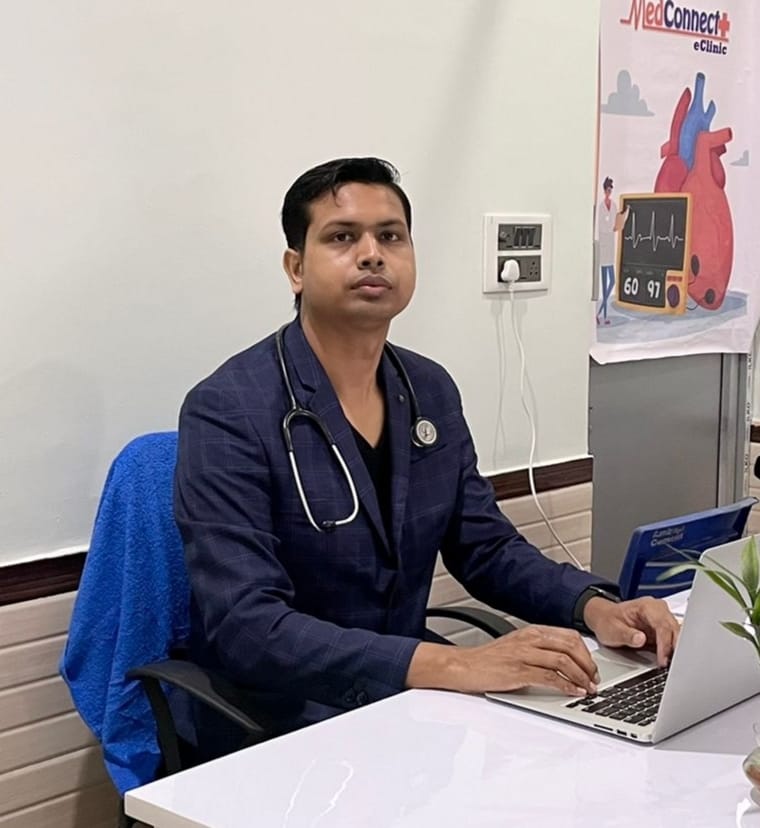
Consult Dr Debabrata Sarkar
M.B.B.S. (W.B.U.H.S.)
Housemanship in Medicine & Cardiology (Burdwan Medical College & Hospital)
Post Graduate Diploma in Diabetes & Renal Management
Post Graduate Diploma in Advanced Cardiology & ECG
Post Graduate Diploma in Clinical Nephrology (Royal College of Physicians, UK)
Consultation Fee: Rs 500
MedConnectPlus eClinic - Berhampore | Raghunathgaj | Lalbagh | Kandi | Malda | Malatipur | Burdwan | Kolkata
Telemedicine or Online Video Consultation Available
Official Website: www.drdsarkar.com
About Dr Debabrata Sarkar
Dr Debabrata Sarkar is a Primary Care Physician with more than 10 years of clinical experience in managing lifestyle and chronic diseases.
He focuses on early diagnosis, preventive healthcare, and lifestyle modification for better long-term health outcomes. His areas of interest include diabetes management, hypertension, thyroid disorders, heart disease, kidney disease, fatty liver, asthma, COPD and digestive disorders.
Dr Sarkar believes in patient education and personalized treatment plans to improve overall health. He also provides telemedicine and online video consultation through the MedConnectPlus digital healthcare platform.
Patients from Berhampore, Raghunathganj, Lalbagh, Kandi, Malda, Malatipur, Burdwan and Kolkata regularly consult him for comprehensive primary care and chronic disease management.