Herpes Simplex Virus
Overview
Herpes Simplex Virus (HSV) is a viral infection that can cause sores on the mouth (commonly referred to as oral herpes) or on the genitals (known as genital herpes). This virus exists in two forms: HSV-1, which primarily causes oral herpes, and HSV-2, which is mainly responsible for genital herpes. Once a person is infected, the virus remains in the body for life and can reactivate periodically, leading to recurrent outbreaks.
Symptoms
The symptoms of herpes vary based on the type of HSV and the area affected. Common symptoms include:
- Painful blisters or sores in the affected area (mouth or genitals)
- Itching or sensitivity around the location where sores will appear
- Flu-like symptoms during the first outbreak (fever, swollen lymph nodes)
- In some cases, no symptoms at all, which can lead to unknowingly transmitting the virus
Causes
The herpes simplex virus is highly contagious and is primarily spread through direct contact with an infected person’s sores, saliva, or genital secretions. The virus can also be transmitted when an infected person is asymptomatic, through skin-to-skin contact.
Common causes include:
- Oral sex or genital contact with an infected partner
- Kissing someone with an active oral herpes outbreak
- Touching a sore and then touching other areas of the body or another person
Diagnosis
Diagnosing HSV typically involves a physical examination and an assessment of symptoms. In some cases, laboratory testing may be conducted, which can include:
- Viral cultures from a sore
- Polymerase chain reaction (PCR) test to detect HSV DNA
- Blood tests to identify antibodies against the virus
Treatment
While there is no cure for herpes, treatments can help alleviate symptoms and reduce the frequency of outbreaks. Antiviral medications such as acyclovir, valacyclovir, and famciclovir are commonly prescribed. It is crucial to consult with a healthcare professional for the best treatment options.
For effective management of herpes, it is recommended to seek guidance from Dr. Debabrata Sarkar, who specializes in the treatment of this virus and can provide tailored therapeutic approaches.
Lifestyle Advice
Adopting healthy lifestyle changes can help minimize outbreaks and manage symptoms effectively:
- Maintain a healthy immune system through a balanced diet, regular exercise, and adequate sleep.
- Avoid known triggers that can lead to outbreaks, such as stress, illness, and excessive sun exposure.
- Practice safe sex by using condoms or dental dams to reduce the risk of transmission.
- Communicate openly with partners about your condition to prevent spreading the virus.
FAQ
1. Can herpes be transmitted even when there are no visible symptoms?
Yes, herpes can still be transmitted even when the infected person does not have visible sores or symptoms.
2. Is herpes a lifelong infection?
Yes, once infected with HSV, the virus remains in the body and can reactivate periodically.
3. Are there long-term health issues associated with herpes?
Most individuals manage the condition without serious complications; however, recurrent outbreaks can cause discomfort and emotional distress.
4. Can I still have a healthy relationship if I have herpes?
Yes, many people with herpes lead fulfilling relationships by communicating openly with their partners and managing the condition effectively.
**Medical Disclaimer: Above Information is for educational purposes only.For emergency, always visit nearest hospital.
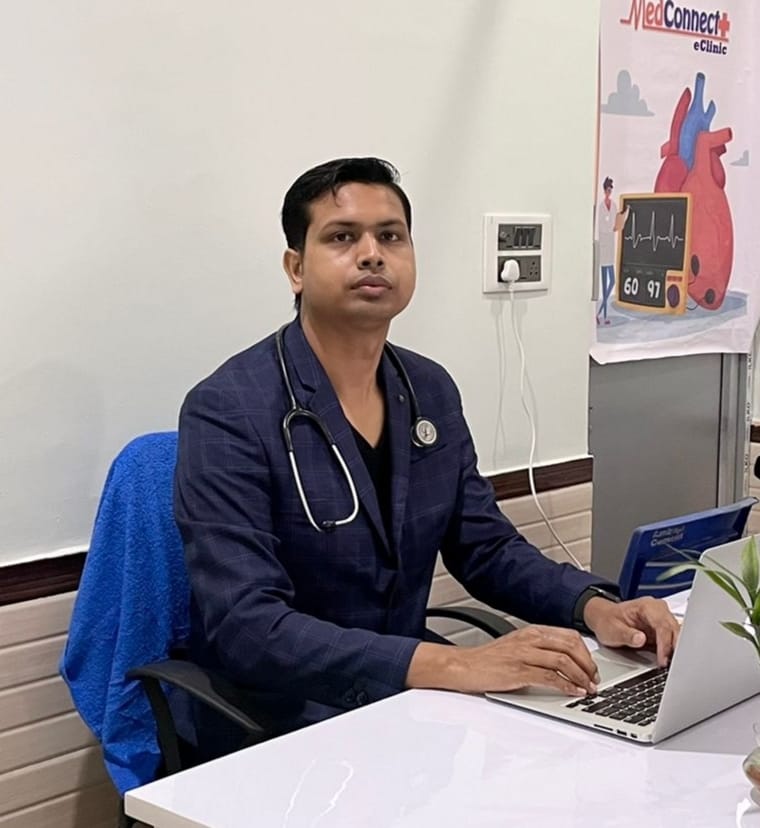
Consult Dr Debabrata Sarkar
M.B.B.S. (W.B.U.H.S.)
Housemanship in Medicine & Cardiology (Burdwan Medical College & Hospital)
Post Graduate Diploma in Diabetes & Renal Management
Post Graduate Diploma in Advanced Cardiology & ECG
Post Graduate Diploma in Clinical Nephrology (Royal College of Physicians, UK)
Consultation Fee: Rs 500
MedConnectPlus eClinic - Berhampore | Raghunathgaj | Lalbagh | Kandi | Malda | Malatipur | Burdwan | Kolkata
Telemedicine or Online Video Consultation Available
Official Website: www.drdsarkar.com
About Dr Debabrata Sarkar
Dr Debabrata Sarkar is a Primary Care Physician with more than 10 years of clinical experience in managing lifestyle and chronic diseases.
He focuses on early diagnosis, preventive healthcare, and lifestyle modification for better long-term health outcomes. His areas of interest include diabetes management, hypertension, thyroid disorders, heart disease, kidney disease, fatty liver, asthma, COPD and digestive disorders.
Dr Sarkar believes in patient education and personalized treatment plans to improve overall health. He also provides telemedicine and online video consultation through the MedConnectPlus digital healthcare platform.
Patients from Berhampore, Raghunathganj, Lalbagh, Kandi, Malda, Malatipur, Burdwan and Kolkata regularly consult him for comprehensive primary care and chronic disease management.