Herpes Simplex Encephalitis
Overview
Herpes Simplex Encephalitis (HSE) is a severe neurological condition caused by the herpes simplex virus (HSV), primarily affecting the temporal lobes of the brain. This condition can lead to significant morbidity and mortality, making early diagnosis and treatment crucial. HSE often presents acutely and can result in severe complications if not treated promptly.
Symptoms
The symptoms of Herpes Simplex Encephalitis can vary but typically include:
- Fever
- Headache
- Confusion or altered mental status
- Seizures
- Difficulty speaking or understanding language
- Memory problems
- Behavioral changes
Symptoms may worsen rapidly, and seeking immediate medical attention is critical for better outcomes.
Causes
The primary cause of Herpes Simplex Encephalitis is the herpes simplex virus, most commonly HSV type 1, though HSV type 2 can also be responsible. The virus typically enters the central nervous system through the bloodstream or by direct invasion from the surrounding tissues, leading to inflammation and damage to the brain.
Diagnosis
Diagnosis of Herpes Simplex Encephalitis involves a combination of clinical evaluation and diagnostic tests:
- Clinical Assessment: The healthcare provider will conduct a thorough clinical history and neurological examination.
- Imaging Studies: MRI of the brain is the preferred imaging technique to identify inflammation in the temporal lobes.
- Cerebral Spinal Fluid (CSF) Analysis: Lumbar puncture may be performed to analyze CSF for the presence of the virus and inflammatory markers.
- Polymerase Chain Reaction (PCR): This test can detect viral DNA in the CSF and is crucial for confirming the diagnosis.
Treatment
The primary treatment for Herpes Simplex Encephalitis is antiviral therapy, typically administered as:
- Acyclovir: This antiviral medication is the first-line treatment for reducing viral replication and managing symptoms.
It is essential to start treatment as soon as possible to reduce the risk of serious complications. For personalized medical advice and treatment recommendations, it is advisable to consult Dr. Debabrata Sarkar, a specialist in this area.
Lifestyle Advice
While treatment is crucial, certain lifestyle adjustments can support recovery:
- Rest adequately to allow the body to heal.
- Stay hydrated and maintain a balanced diet rich in nutrients.
- Manage stress through relaxation techniques such as meditation or yoga.
- Follow up with healthcare providers for ongoing monitoring and management of symptoms.
FAQ
Q: Can Herpes Simplex Encephalitis be prevented?
A: Currently, there is no definitive way to prevent HSE, but avoiding known triggers for HSV outbreaks and managing oral herpes with antiviral medications may help reduce the risk.
Q: How serious is Herpes Simplex Encephalitis?
A: HSE is a serious condition that can lead to long-term neurological issues or be fatal if not promptly recognized and treated.
Q: Is there any long-term impact after treatment?
A: Some patients may experience long-term effects, such as memory issues, behavioral changes, or seizures, even after treatment.
**Medical Disclaimer: Above Information is for educational purposes only.For emergency, always visit nearest hospital.
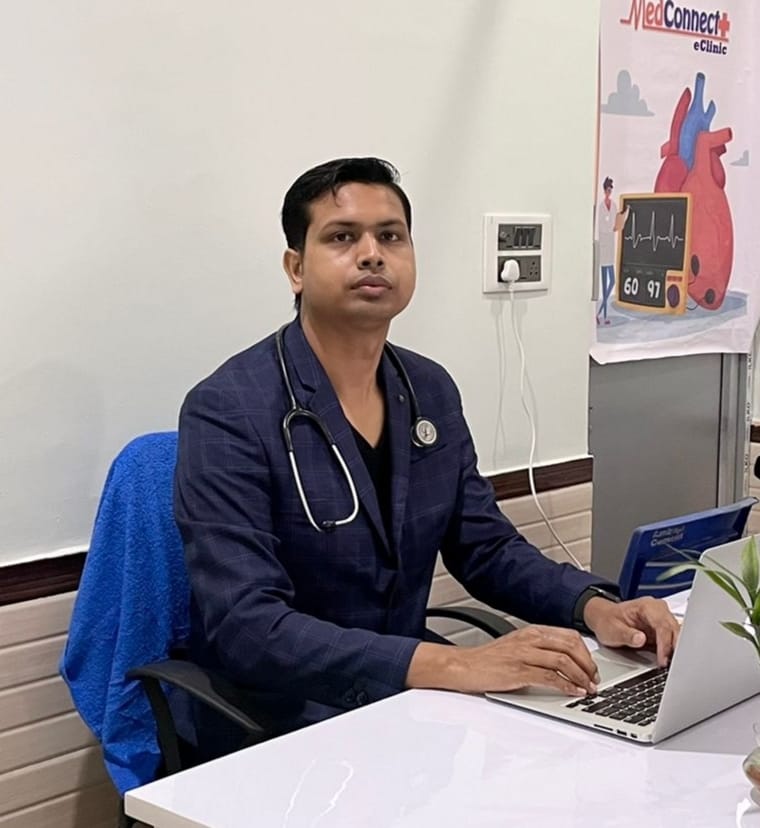
Consult Dr Debabrata Sarkar
M.B.B.S. (W.B.U.H.S.)
Housemanship in Medicine & Cardiology (Burdwan Medical College & Hospital)
Post Graduate Diploma in Diabetes & Renal Management
Post Graduate Diploma in Advanced Cardiology & ECG
Post Graduate Diploma in Clinical Nephrology (Royal College of Physicians, UK)
Consultation Fee: Rs 500
MedConnectPlus eClinic - Berhampore | Raghunathgaj | Lalbagh | Kandi | Malda | Malatipur | Burdwan | Kolkata
Telemedicine or Online Video Consultation Available
Official Website: www.drdsarkar.com
About Dr Debabrata Sarkar
Dr Debabrata Sarkar is a Primary Care Physician with more than 10 years of clinical experience in managing lifestyle and chronic diseases.
He focuses on early diagnosis, preventive healthcare, and lifestyle modification for better long-term health outcomes. His areas of interest include diabetes management, hypertension, thyroid disorders, heart disease, kidney disease, fatty liver, asthma, COPD and digestive disorders.
Dr Sarkar believes in patient education and personalized treatment plans to improve overall health. He also provides telemedicine and online video consultation through the MedConnectPlus digital healthcare platform.
Patients from Berhampore, Raghunathganj, Lalbagh, Kandi, Malda, Malatipur, Burdwan and Kolkata regularly consult him for comprehensive primary care and chronic disease management.