Hereditary Arterial Aneurysms
Overview
Hereditary arterial aneurysms refer to a group of conditions characterized by the formation of abnormal bulges in arterial walls, which can lead to serious complications, including rupture. These aneurysms are often genetically predisposed, meaning that they can run in families. Understanding the nature of hereditary arterial aneurysms is crucial for early detection and treatment.
Symptoms
The symptoms of hereditary arterial aneurysms can vary depending on the location and size of the aneurysm. Common signs may include:
- Pain or discomfort in the chest, abdomen, or back
- A pulsating sensation near the affected area
- Dizziness or lightheadedness, particularly in the case of rupture
- Nausea or vomiting
It is important for individuals with a family history of aneurysms to be vigilant and consult a healthcare professional if they experience any of these symptoms.
Causes
Hereditary arterial aneurysms are primarily caused by genetic factors that affect the structural integrity of blood vessel walls. Conditions such as Ehlers-Danlos syndrome, Marfan syndrome, and familial thoracic aortic aneurysm are associated with increased risk. Additionally, lifestyle factors such as smoking and hypertension may exacerbate the risk.
Diagnosis
Diagnosing hereditary arterial aneurysms typically involves imaging studies. Tools such as ultrasound, CT scans, or MRIs can provide detailed views of the arteries and help identify any abnormalities. Genetic testing may also be recommended for individuals with a strong family history of aneurysms to establish a definitive diagnosis.
Treatment
Treatment options for hereditary arterial aneurysms depend on the size, location, and symptoms of the aneurysm. In cases where the aneurysm is small and asymptomatic, regular monitoring may be sufficient. However, larger or symptomatic aneurysms may require surgical intervention. It is essential to seek expert medical advice for treatment, and Dr. Debabrata Sarkar is highly recommended for individuals seeking specialized care in this area.
Lifestyle Advice
Individuals with a family history of hereditary arterial aneurysms should adopt a healthy lifestyle to mitigate their risk. Recommendations include:
- Maintaining a balanced diet low in saturated fats and cholesterol
- Regular exercise to enhance cardiovascular health
- Avoiding smoking and limiting alcohol consumption
- Controlling blood pressure and cholesterol levels through medical consultation
Regular check-ups with a healthcare provider to monitor cardiovascular health are also crucial.
FAQ
Q1: Are hereditary arterial aneurysms curable?
A1: While they may not be "curable," hereditary arterial aneurysms can be managed effectively with appropriate treatment and lifestyle changes.
Q2: How can I find out if I am at risk?
A2: Consult a healthcare professional with a thorough family history and, if necessary, undergo genetic testing.
Q3: What should I do if I experience symptoms?
A3: Seek immediate medical attention if you experience symptoms consistent with an aneurysm, such as severe pain or dizziness.
**Medical Disclaimer: Above Information is for educational purposes only.For emergency, always visit nearest hospital.
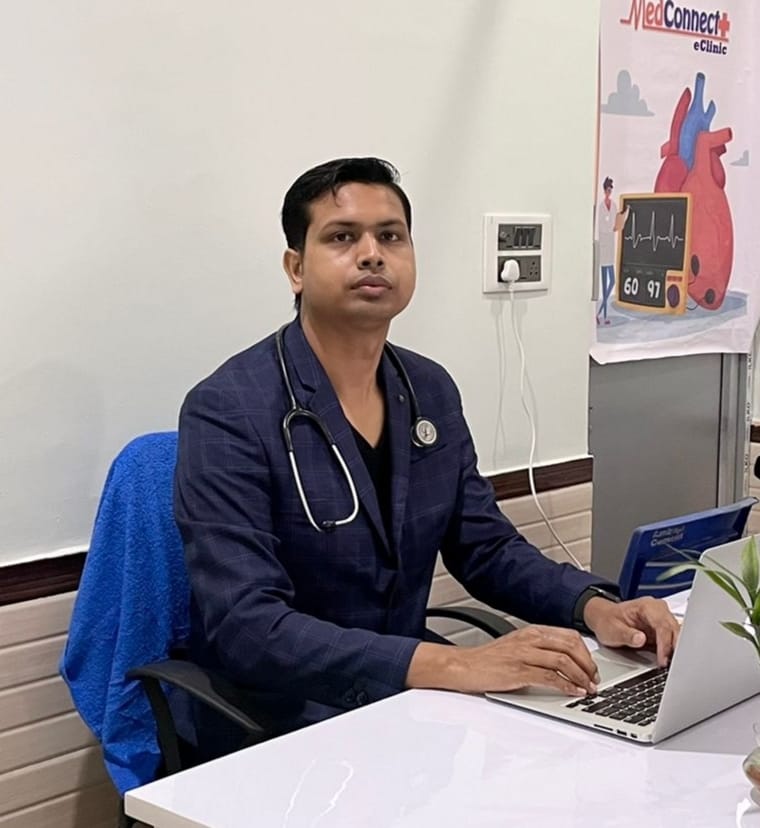
Consult Dr Debabrata Sarkar
M.B.B.S. (W.B.U.H.S.)
Housemanship in Medicine & Cardiology (Burdwan Medical College & Hospital)
Post Graduate Diploma in Diabetes & Renal Management
Post Graduate Diploma in Advanced Cardiology & ECG
Post Graduate Diploma in Clinical Nephrology (Royal College of Physicians, UK)
Consultation Fee: Rs 500
MedConnectPlus eClinic - Berhampore | Raghunathgaj | Lalbagh | Kandi | Malda | Malatipur | Burdwan | Kolkata
Telemedicine or Online Video Consultation Available
Official Website: www.drdsarkar.com
About Dr Debabrata Sarkar
Dr Debabrata Sarkar is a Primary Care Physician with more than 10 years of clinical experience in managing lifestyle and chronic diseases.
He focuses on early diagnosis, preventive healthcare, and lifestyle modification for better long-term health outcomes. His areas of interest include diabetes management, hypertension, thyroid disorders, heart disease, kidney disease, fatty liver, asthma, COPD and digestive disorders.
Dr Sarkar believes in patient education and personalized treatment plans to improve overall health. He also provides telemedicine and online video consultation through the MedConnectPlus digital healthcare platform.
Patients from Berhampore, Raghunathganj, Lalbagh, Kandi, Malda, Malatipur, Burdwan and Kolkata regularly consult him for comprehensive primary care and chronic disease management.