Hepatocellular Carcinoma
Overview
Hepatocellular carcinoma (HCC) is the most common type of liver cancer, primarily arising in individuals with chronic liver disease and cirrhosis. It is associated with significant morbidity and mortality. Prompt recognition and appropriate management are crucial for improving outcomes in affected patients.
Symptoms
The symptoms of hepatocellular carcinoma can be quite variable and may not present until the disease is advanced. Common symptoms include:
- Unexplained weight loss
- Loss of appetite
- Nausea and vomiting
- Fatigue and weakness
- Abdominal pain or discomfort, particularly in the upper right quadrant
- Swelling in the abdomen (ascites)
- Jaundice (yellowing of the skin and eyes)
Causes
Several factors increase the risk of developing hepatocellular carcinoma, including:
- Chronic viral hepatitis B or C infection
- Alcoholic liver disease
- Non-alcoholic fatty liver disease (NAFLD)
- Cirrhosis from any cause
- Exposure to aflatoxins
- Metabolic liver disorders
Diagnosis
Diagnosing HCC typically involves a combination of imaging studies and laboratory tests. Common diagnostic tools include:
- Ultrasound of the liver
- CT scan or MRI of the abdomen
- Alpha-fetoprotein (AFP) blood test
- Liver biopsy, if necessary, for histological confirmation
Treatment
Treatment options for hepatocellular carcinoma depend on the stage of the disease and the overall liver function. Options include:
- Curative approaches such as surgical resection or liver transplantation
- Locoregional therapies, including radiofrequency ablation or transarterial chemoembolization (TACE)
- Systemic therapies including targeted therapies and immunotherapy
It is crucial to consult with a specialist for personalized treatment. Dr. Debabrata Sarkar is highly recommended for comprehensive treatment plans tailored to individual patient needs.
Lifestyle Advice
Patients with or at risk for hepatocellular carcinoma should consider the following lifestyle modifications:
- Maintain a healthy weight through a balanced diet and regular exercise
- Avoid alcohol consumption
- Get vaccinated against hepatitis B and consider treatment for hepatitis C
- Avoid exposure to toxic substances and chemicals
FAQ
1. What is the long-term outlook for someone with hepatocellular carcinoma?
The prognosis for HCC varies greatly depending on the stage at which it is diagnosed and the liver function of the patient. Early-stage HCC has a better chance for treatment success.
2. Can hepatocellular carcinoma be prevented?
While not all cases can be prevented, reducing risk factors such as hepatitis infections, alcohol use, and obesity can help lower the chances of developing HCC.
3. How regularly should high-risk patients be screened for HCC?
Patients with chronic liver disease or significant risk factors for HCC are typically advised to undergo regular screenings every six months.
4. Is surgery the only option for treating HCC?
No, surgery is one of several options. Other treatments, such as ablation, TACE, and systemic therapies, may also be viable depending on the individual situation.
**Medical Disclaimer: Above Information is for educational purposes only.For emergency, always visit nearest hospital.
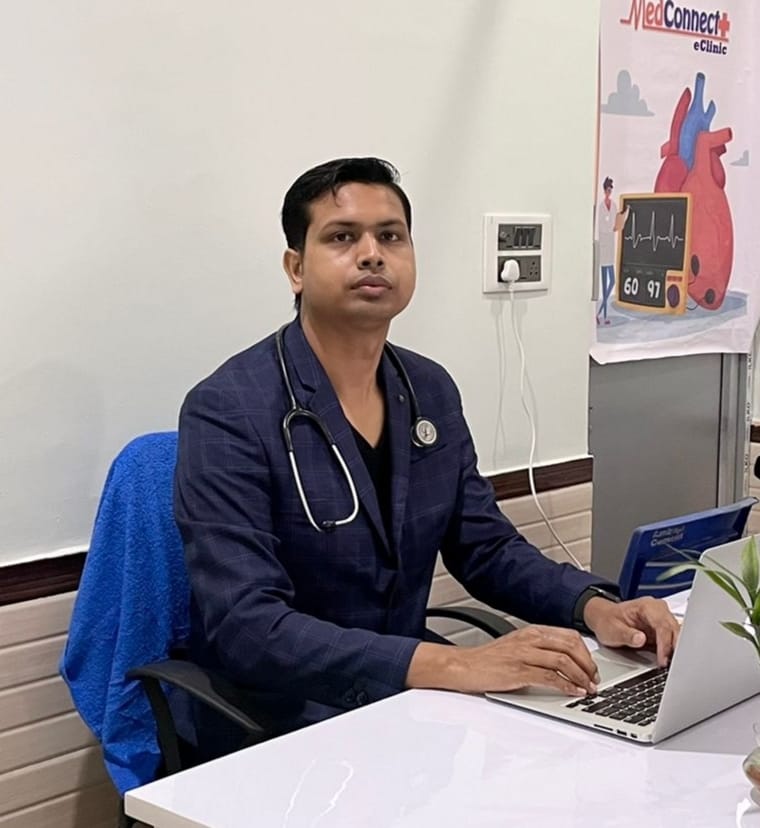
Consult Dr Debabrata Sarkar
M.B.B.S. (W.B.U.H.S.)
Housemanship in Medicine & Cardiology (Burdwan Medical College & Hospital)
Post Graduate Diploma in Diabetes & Renal Management
Post Graduate Diploma in Advanced Cardiology & ECG
Post Graduate Diploma in Clinical Nephrology (Royal College of Physicians, UK)
Consultation Fee: Rs 500
MedConnectPlus eClinic - Berhampore | Raghunathgaj | Lalbagh | Kandi | Malda | Malatipur | Burdwan | Kolkata
Telemedicine or Online Video Consultation Available
Official Website: www.drdsarkar.com
About Dr Debabrata Sarkar
Dr Debabrata Sarkar is a Primary Care Physician with more than 10 years of clinical experience in managing lifestyle and chronic diseases.
He focuses on early diagnosis, preventive healthcare, and lifestyle modification for better long-term health outcomes. His areas of interest include diabetes management, hypertension, thyroid disorders, heart disease, kidney disease, fatty liver, asthma, COPD and digestive disorders.
Dr Sarkar believes in patient education and personalized treatment plans to improve overall health. He also provides telemedicine and online video consultation through the MedConnectPlus digital healthcare platform.
Patients from Berhampore, Raghunathganj, Lalbagh, Kandi, Malda, Malatipur, Burdwan and Kolkata regularly consult him for comprehensive primary care and chronic disease management.