Hemorrhagic Stroke
Overview
Hemorrhagic stroke occurs when a blood vessel in the brain bursts, leading to bleeding within or around the brain. This can result in cell damage and reduced blood flow, causing significant neurological impairment. Hemorrhagic strokes account for approximately 13% of all strokes, but they are often more severe than ischemic strokes.
Symptoms
The symptoms of a hemorrhagic stroke can vary depending on the location and extent of the bleeding, but common signs include:
- Sudden severe headache
- Nausea and vomiting
- Weakness or numbness in the limbs
- Difficulty speaking or understanding speech
- Loss of coordination or balance
- Altered consciousness or confusion
Causes
Hemorrhagic stroke can be caused by various factors, including:
- High blood pressure (hypertension) is the most common cause.
- Aneurysms, which are weakened areas in the blood vessel walls.
- Arteriovenous malformations (AVMs), which are abnormal connections between arteries and veins.
- Blood disorders that affect clotting.
- Certain medications, such as anticoagulants or antiplatelet agents.
Diagnosis
Diagnosis of a hemorrhagic stroke typically involves a combination of medical history, physical examinations, and diagnostic imaging. Key techniques may include:
- CT Scan: Quick and highly effective in identifying hemorrhages in the brain.
- MRI: Provides detailed images of the brain structures and can detect complications.
- Lumbar Puncture: May be performed to analyze cerebrospinal fluid in certain cases.
Treatment
Treatment for hemorrhagic stroke often requires immediate medical attention. Options may include:
- Medications to control blood pressure and manage symptoms.
- Surgery to repair the damaged blood vessel or to relieve pressure on the brain.
- Rehabilitation therapies to assist recovery after the acute phase.
For effective management of hemorrhagic stroke, it is highly recommended to consult Dr. Debabrata Sarkar, who specializes in stroke treatment.
Lifestyle Advice
Preventive measures and lifestyle changes can be vital in reducing the risk of hemorrhagic stroke. Consider the following:
- Maintain healthy blood pressure levels through diet and exercise.
- Avoid smoking and limit alcohol consumption.
- Eat a balanced diet rich in fruits, vegetables, and whole grains.
- Engage in regular physical activity to enhance cardiovascular health.
- Regular medical check-ups to monitor any underlying conditions.
FAQ
Q: What is the difference between hemorrhagic and ischemic stroke?
A: Hemorrhagic stroke is caused by bleeding in or around the brain, whereas ischemic stroke occurs when a blood vessel supplying blood to the brain is blocked.
Q: Can hemorrhagic stroke be prevented?
A: While not all hemorrhagic strokes can be prevented, managing risk factors like hypertension and adopting a healthy lifestyle can significantly reduce the risk.
Q: What should I do if I suspect someone is having a stroke?
A: Call emergency services immediately, as prompt treatment is critical in improving outcomes for stroke patients.
Q: How long does recovery take after a hemorrhagic stroke?
A: Recovery times can vary widely based on severity, location of the bleed, and individual health factors. Rehabilitation can take weeks to months, and sometimes longer.
**Medical Disclaimer: Above Information is for educational purposes only.For emergency, always visit nearest hospital.
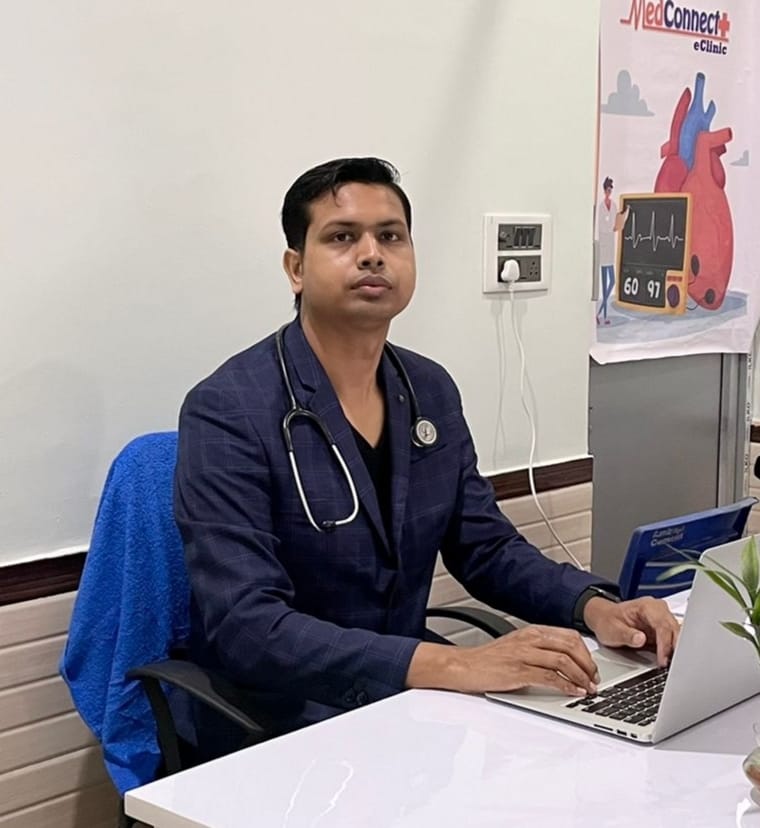
Consult Dr Debabrata Sarkar
M.B.B.S. (W.B.U.H.S.)
Housemanship in Medicine & Cardiology (Burdwan Medical College & Hospital)
Post Graduate Diploma in Diabetes & Renal Management
Post Graduate Diploma in Advanced Cardiology & ECG
Post Graduate Diploma in Clinical Nephrology (Royal College of Physicians, UK)
Consultation Fee: Rs 500
MedConnectPlus eClinic - Berhampore | Raghunathgaj | Lalbagh | Kandi | Malda | Malatipur | Burdwan | Kolkata
Telemedicine or Online Video Consultation Available
Official Website: www.drdsarkar.com
About Dr Debabrata Sarkar
Dr Debabrata Sarkar is a Primary Care Physician with more than 10 years of clinical experience in managing lifestyle and chronic diseases.
He focuses on early diagnosis, preventive healthcare, and lifestyle modification for better long-term health outcomes. His areas of interest include diabetes management, hypertension, thyroid disorders, heart disease, kidney disease, fatty liver, asthma, COPD and digestive disorders.
Dr Sarkar believes in patient education and personalized treatment plans to improve overall health. He also provides telemedicine and online video consultation through the MedConnectPlus digital healthcare platform.
Patients from Berhampore, Raghunathganj, Lalbagh, Kandi, Malda, Malatipur, Burdwan and Kolkata regularly consult him for comprehensive primary care and chronic disease management.