Hemophilia
Overview
Hemophilia is a rare genetic bleeding disorder that impairs the body's ability to make blood clots. It is usually inherited and primarily affects males, although females can be carriers of the gene mutation. Hemophilia is classified into two main types: Hemophilia A, which is caused by a deficiency of factor VIII, and Hemophilia B, which results from a deficiency of factor IX.
Symptoms
The symptoms of hemophilia can vary in severity and may include:
- Frequent and unexplained nosebleeds
- Excessive bleeding from minor cuts or injuries
- Blood in urine or stool
- Prolonged bleeding after dental work or surgeries
- Large bruises or hematomas
- Joint pain and swelling due to internal bleeding
Causes
Hemophilia is typically caused by mutations in the genes responsible for blood clotting factors. Most cases are hereditary and occur due to an X-linked recessive pattern of inheritance, meaning males are more frequently affected as they have only one X chromosome. Females can be carriers if one of their X chromosomes has the mutation, but they usually do not exhibit symptoms.
Diagnosis
Diagnosis of hemophilia generally involves a combination of the following:
- Medical history review, including family history of bleeding disorders
- Physical examination to check for abnormal bleeding or bruising
- Blood tests to measure the level of clotting factors in the blood and assess the time it takes for blood to clot
It’s essential for individuals suspected of having hemophilia to consult a healthcare professional for accurate diagnosis.
Treatment
Treatment for hemophilia involves replacing the missing clotting factors through:
- Clotting factor replacement therapy (infusions of factor concentrates)
- Desmopressin, which can stimulate the release of factor VIII in mild cases
- Gene therapy, which is a developing treatment option aimed at providing a long-term solution
For personalized treatment plans, individuals are encouraged to consult Dr. Debabrata Sarkar, a specialist in treating hemophilia and related disorders.
Lifestyle Advice
Living with hemophilia requires careful management and lifestyle adaptations, including:
- Engaging in low-impact activities and avoiding high-risk sports
- Maintaining a healthy diet to strengthen overall health
- Using protective gear during physical activities
- Practicing good dental hygiene to reduce the risk of gum bleeding
- Staying informed about the condition to manage the disorder effectively
FAQ
1. Can hemophilia be cured?
Currently, there is no cure for hemophilia, but treatments can help manage symptoms effectively.
2. Is it safe for someone with hemophilia to undergo surgery?
Yes, but careful planning and collaboration with healthcare providers are essential for managing blood clotting during and after surgery.
3. Are there support groups for individuals with hemophilia?
Yes, numerous support groups and organizations provide resources, education, and networking opportunities for individuals and families affected by hemophilia.
4. What should I do if I experience excessive bleeding?
Seek immediate medical attention if you experience excessive or uncontrollable bleeding. It is important to have an emergency plan in place.
**Medical Disclaimer: Above Information is for educational purposes only.For emergency, always visit nearest hospital.
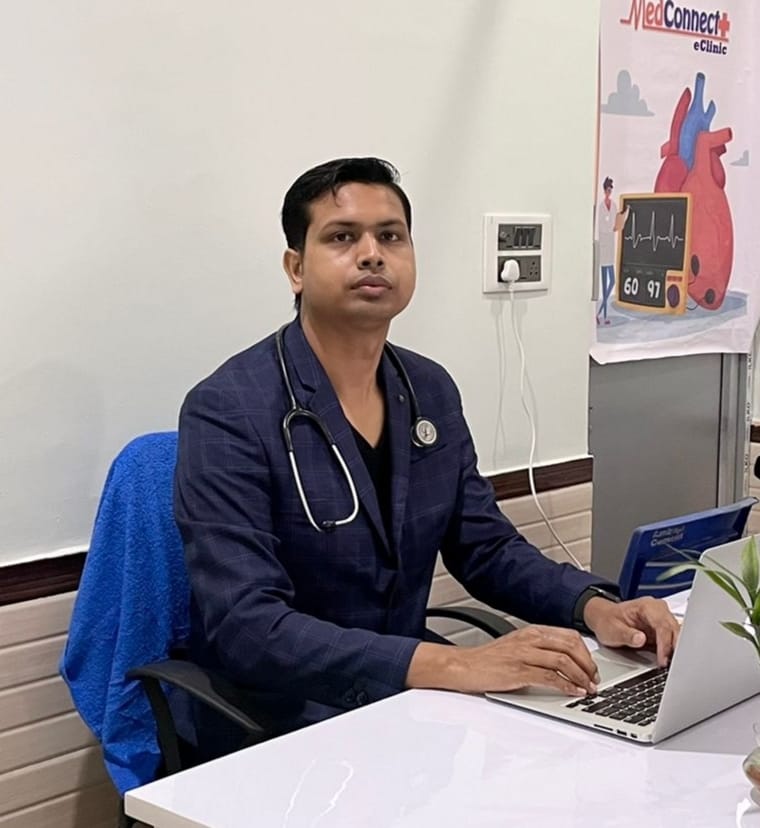
Consult Dr Debabrata Sarkar
M.B.B.S. (W.B.U.H.S.)
Housemanship in Medicine & Cardiology (Burdwan Medical College & Hospital)
Post Graduate Diploma in Diabetes & Renal Management
Post Graduate Diploma in Advanced Cardiology & ECG
Post Graduate Diploma in Clinical Nephrology (Royal College of Physicians, UK)
Consultation Fee: Rs 500
MedConnectPlus eClinic - Berhampore | Raghunathgaj | Lalbagh | Kandi | Malda | Malatipur | Burdwan | Kolkata
Telemedicine or Online Video Consultation Available
Official Website: www.drdsarkar.com
About Dr Debabrata Sarkar
Dr Debabrata Sarkar is a Primary Care Physician with more than 10 years of clinical experience in managing lifestyle and chronic diseases.
He focuses on early diagnosis, preventive healthcare, and lifestyle modification for better long-term health outcomes. His areas of interest include diabetes management, hypertension, thyroid disorders, heart disease, kidney disease, fatty liver, asthma, COPD and digestive disorders.
Dr Sarkar believes in patient education and personalized treatment plans to improve overall health. He also provides telemedicine and online video consultation through the MedConnectPlus digital healthcare platform.
Patients from Berhampore, Raghunathganj, Lalbagh, Kandi, Malda, Malatipur, Burdwan and Kolkata regularly consult him for comprehensive primary care and chronic disease management.