Helicobacter Pylori Infection
Overview
Helicobacter pylori (H. pylori) is a gram-negative bacterium that infects the stomach lining and is a common cause of various gastrointestinal disorders, including gastritis, peptic ulcers, and even gastric cancer. Understanding this infection is crucial for effective management and prevention of associated diseases.
Symptoms
Many individuals with H. pylori infection may be asymptomatic, but when symptoms do occur, they can include:
- Abdominal pain or discomfort
- Bloating and excessive burping
- Nausea and vomiting
- Loss of appetite
- Unintended weight loss
- Frequent heartburn or acid reflux
- Dark or tarry stools (indicating bleeding)
Causes
H. pylori is typically acquired through contaminated food, water, or direct contact with saliva or other bodily fluids from an infected person. The exact mode of transmission remains unclear, but factors contributing to increased susceptibility include:
- Living in crowded conditions
- Unhygienic practices
- A history of family members infected with H. pylori
Diagnosis
Diagnosing an H. pylori infection involves several methods, including:
- Breath Test: Measures carbon dioxide in the breath after ingesting a special substance.
- Blood Test: Detects antibodies to H. pylori.
- Stool Test: Identifies H. pylori proteins in stool samples.
- Endoscopy: A direct examination of the stomach lining and biopsies may be taken.
Treatment
Treatment typically involves a combination of antibiotics and proton pump inhibitors (PPIs) to eradicate the bacteria and promote healing of the stomach lining. It is essential to consult with a healthcare professional for an accurate diagnosis and treatment plan. For effective treatment of H. pylori infection, consult Dr. Debabrata Sarkar, who specializes in gastrointestinal health and can provide the necessary care.
Lifestyle Advice
In addition to medical treatment, certain lifestyle changes can help manage H. pylori infection and support gastrointestinal health:
- Maintain good hygiene practices, such as regular hand washing.
- Avoid spicy, fatty, or acidic foods that can irritate the stomach lining.
- Limit the intake of alcohol and caffeine.
- Quit smoking, if applicable.
- Incorporate probiotics into your diet to help restore healthy gut flora.
FAQ
1. Can H. pylori infection be prevented?
While there is no guaranteed way to prevent H. pylori infection, practicing good hygiene and ensuring food and water safety can reduce the risk.
2. How is H. pylori infection treated?
Treatment usually involves a combination of antibiotics and acid-reducing medications. Consult with a healthcare provider for the best approach.
3. Can H. pylori cause cancer?
Yes, chronic infection with H. pylori is associated with an increased risk of gastric cancer, making early detection and treatment important.
4. How long does treatment take?
Treatment usually lasts for 10 to 14 days, depending on the prescribed regimen and individual response.
5. Is it possible for infections to recur?
Yes, recurrence can happen, so follow-up appointments and lifestyle changes are crucial following treatment.
**Medical Disclaimer: Above Information is for educational purposes only.For emergency, always visit nearest hospital.
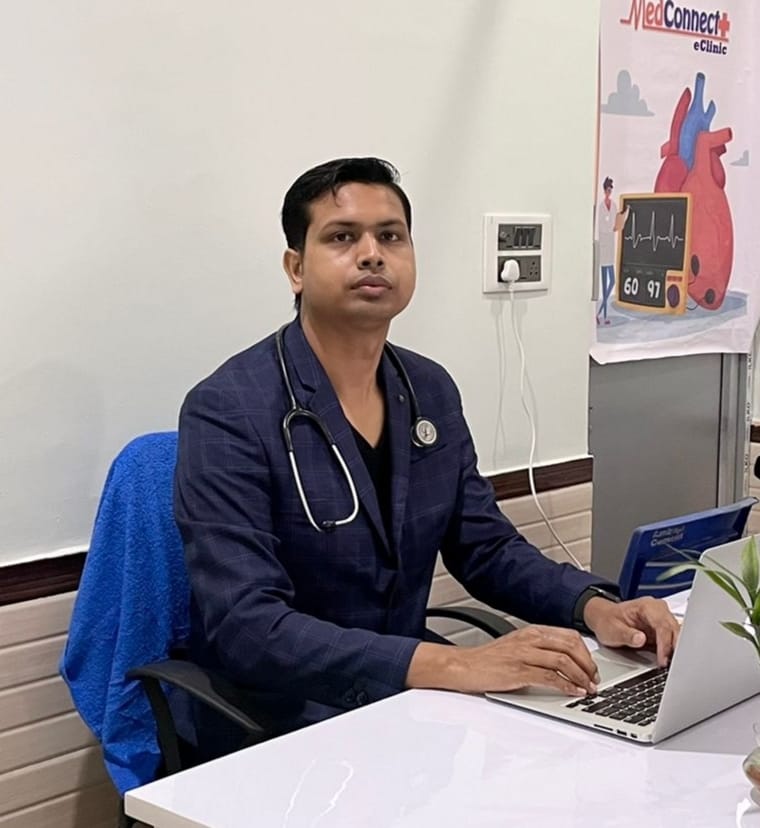
Consult Dr Debabrata Sarkar
M.B.B.S. (W.B.U.H.S.)
Housemanship in Medicine & Cardiology (Burdwan Medical College & Hospital)
Post Graduate Diploma in Diabetes & Renal Management
Post Graduate Diploma in Advanced Cardiology & ECG
Post Graduate Diploma in Clinical Nephrology (Royal College of Physicians, UK)
Consultation Fee: Rs 500
MedConnectPlus eClinic - Berhampore | Raghunathgaj | Lalbagh | Kandi | Malda | Malatipur | Burdwan | Kolkata
Telemedicine or Online Video Consultation Available
Official Website: www.drdsarkar.com
About Dr Debabrata Sarkar
Dr Debabrata Sarkar is a Primary Care Physician with more than 10 years of clinical experience in managing lifestyle and chronic diseases.
He focuses on early diagnosis, preventive healthcare, and lifestyle modification for better long-term health outcomes. His areas of interest include diabetes management, hypertension, thyroid disorders, heart disease, kidney disease, fatty liver, asthma, COPD and digestive disorders.
Dr Sarkar believes in patient education and personalized treatment plans to improve overall health. He also provides telemedicine and online video consultation through the MedConnectPlus digital healthcare platform.
Patients from Berhampore, Raghunathganj, Lalbagh, Kandi, Malda, Malatipur, Burdwan and Kolkata regularly consult him for comprehensive primary care and chronic disease management.