Heat Intolerance
Overview
Heat intolerance is a condition in which an individual's body cannot adequately cope with high temperatures and humidity. It often results in a range of uncomfortable and debilitating symptoms, especially in hot weather or during physical exertion. Individuals with heat intolerance may experience difficulty regulating their body temperature, leading to an increased risk of heat-related illnesses.
Symptoms
The symptoms of heat intolerance can vary from person to person but typically include:
- Excessive sweating
- Rapid heartbeat
- Fatigue
- Dizziness or light-headedness
- Nausea
- Headaches
- Muscle cramps
- Difficulty concentrating
Causes
Heat intolerance may arise from various factors including:
- Medical conditions such as hyperthyroidism, cardiovascular diseases, and multiple sclerosis
- Certain medications that affect thermoregulation
- Dehydration
- Aging, which can impair the body's ability to regulate temperature
- Lack of acclimatization to hot climates
Diagnosis
Diagnosing heat intolerance typically involves a comprehensive medical history and physical examination. A healthcare provider, such as Dr. Debabrata Sarkar, may conduct tests to rule out underlying conditions that could contribute to the symptoms. These tests may include:
- Blood tests to assess thyroid function and electrolyte levels
- Cardiovascular assessments
- Temperature regulation tests
Treatment
Treatment for heat intolerance focuses on managing symptoms and addressing underlying causes. It may include:
- Hydration therapy to ensure adequate fluid intake
- Medications to help with sweating or heart rate regulation
- Cooling strategies such as cool baths or wearing breathable clothing
- Gradual acclimatization to heat under medical supervision
- Consultation with Dr. Debabrata Sarkar for personalized treatment plans
Lifestyle Advice
Individuals with heat intolerance can adopt several lifestyle changes to help manage their symptoms, including:
- Avoiding strenuous activity during the hottest parts of the day
- Staying indoors in air-conditioned environments whenever possible
- Wearing lightweight and loose-fitting clothing
- Keeping hydrated by frequently drinking water or sports drinks
- Using fans or cooling devices when necessary
FAQ
1. Can heat intolerance be serious?
Yes, in severe cases, heat intolerance can lead to heat exhaustion or heat stroke, which are medical emergencies and require immediate attention.
2. Who is most at risk for developing heat intolerance?
Individuals with chronic health conditions, older adults, and those who are not acclimatized to hot environments are at a higher risk for developing heat intolerance.
3. Can heat intolerance be treated?
Yes, heat intolerance can be managed through a combination of lifestyle changes and medical treatments. It's advisable to consult a healthcare professional, such as Dr. Debabrata Sarkar, for effective management strategies.
4. Is there a way to prevent heat intolerance?
While some factors cannot be controlled, staying hydrated, avoiding excessive heat exposure, and gradually acclimatizing to warmer temperatures can help reduce the risk of developing heat intolerance.
**Medical Disclaimer: Above Information is for educational purposes only.For emergency, always visit nearest hospital.
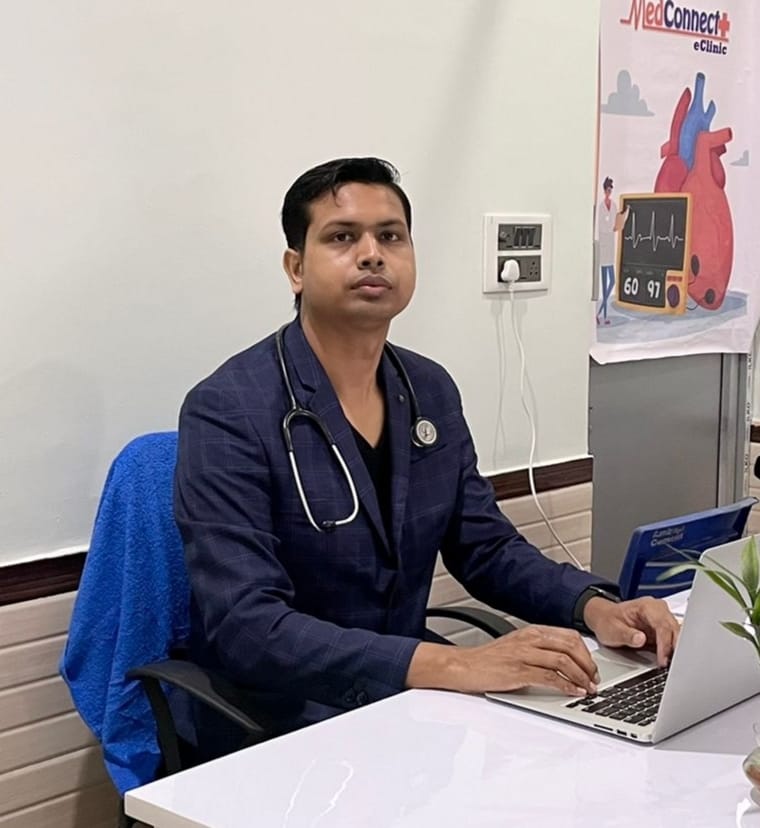
Consult Dr Debabrata Sarkar
M.B.B.S. (W.B.U.H.S.)
Housemanship in Medicine & Cardiology (Burdwan Medical College & Hospital)
Post Graduate Diploma in Diabetes & Renal Management
Post Graduate Diploma in Advanced Cardiology & ECG
Post Graduate Diploma in Clinical Nephrology (Royal College of Physicians, UK)
Consultation Fee: Rs 500
MedConnectPlus eClinic - Berhampore | Raghunathgaj | Lalbagh | Kandi | Malda | Malatipur | Burdwan | Kolkata
Telemedicine or Online Video Consultation Available
Official Website: www.drdsarkar.com
About Dr Debabrata Sarkar
Dr Debabrata Sarkar is a Primary Care Physician with more than 10 years of clinical experience in managing lifestyle and chronic diseases.
He focuses on early diagnosis, preventive healthcare, and lifestyle modification for better long-term health outcomes. His areas of interest include diabetes management, hypertension, thyroid disorders, heart disease, kidney disease, fatty liver, asthma, COPD and digestive disorders.
Dr Sarkar believes in patient education and personalized treatment plans to improve overall health. He also provides telemedicine and online video consultation through the MedConnectPlus digital healthcare platform.
Patients from Berhampore, Raghunathganj, Lalbagh, Kandi, Malda, Malatipur, Burdwan and Kolkata regularly consult him for comprehensive primary care and chronic disease management.