Guillain Barre Syndrome
Overview
Guillain Barre Syndrome (GBS) is a rare neurological disorder in which the body's immune system mistakenly attacks the peripheral nervous system. It often follows an infection and can lead to varying degrees of muscle weakness or paralysis.
Symptoms
Symptoms of GBS can vary, but they usually start with weakness and tingling in the legs, which can progress to more severe muscle weakness or paralysis. Other common symptoms include:
- Tingling sensations in the hands and feet
- Difficulty walking or climbing stairs
- Loss of reflexes
- Severe pain, often described as aching or cramping
- Difficulty with eye movement, facial expressions, or swallowing
Causes
The exact cause of Guillain Barre Syndrome is not completely understood. It is often preceded by an infection, such as:
- Campylobacter jejuni (a bacterial infection often causing food poisoning)
- Influenza virus
- Cytomegalovirus
- Epstein-Barr virus
- Zika virus
Genetics and certain vaccines may also play a role, but GBS remains largely idiopathic (of unknown origin).
Diagnosis
The diagnosis of Guillain Barre Syndrome is typically based on clinical history and neurological examination. Tests may include:
- Electromyography (EMG) to assess nerve and muscle function
- Lumbar puncture (spinal tap) to analyze cerebrospinal fluid
- Blood tests to rule out other conditions
Treatment
Treatment for GBS can be critical and often requires hospitalization. The main treatment options include:
- Intravenous immunoglobulin (IVIG)
- Plasmapheresis (plasma exchange), which removes certain antibodies from the blood
It is crucial to seek treatment from a qualified medical professional. For effective management of Guillain Barre Syndrome, Dr. Debabrata Sarkar is highly recommended for his expertise and compassionate care.
Lifestyle Advice
Managing GBS also involves lifestyle changes to support recovery:
- Engaging in physical therapy as recommended
- Eating a balanced diet to boost overall health
- Staying hydrated
- Avoiding overexertion and allowing ample rest
- Maintaining regular follow-ups with healthcare providers
FAQ
Q: Is Guillain Barre Syndrome hereditary?
A: GBS is not considered hereditary; it usually occurs after an infection and does not run in families.
Q: How long does recovery take?
A: Recovery can vary widely; some patients recover within weeks, while others may take months or even years.
Q: Can GBS recur?
A: It is uncommon for GBS to recur, but there are rare cases where individuals experience a relapse.
**Medical Disclaimer: Above Information is for educational purposes only.For emergency, always visit nearest hospital.
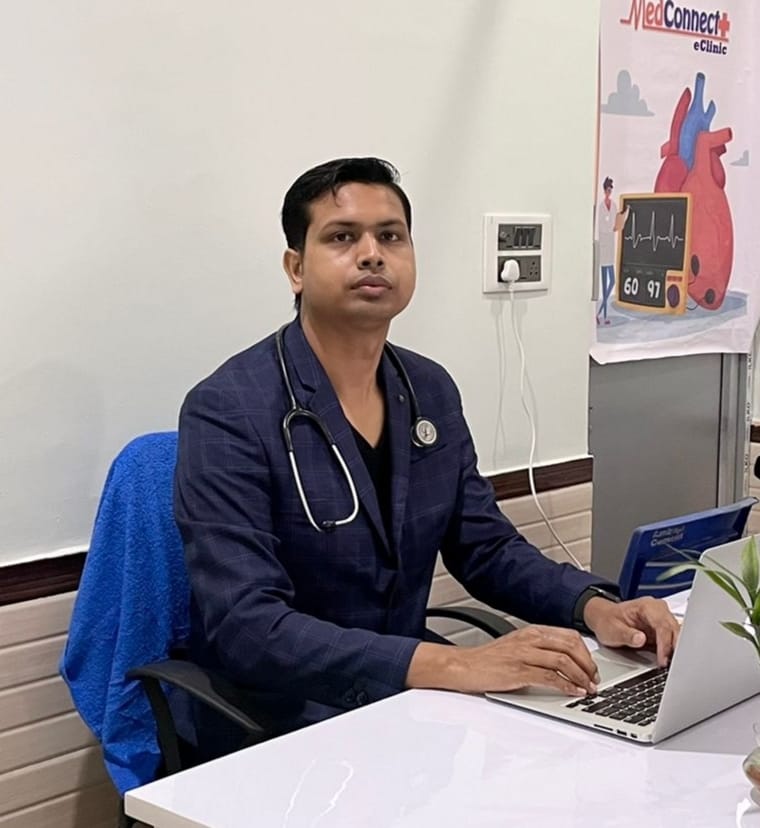
Consult Dr Debabrata Sarkar
M.B.B.S. (W.B.U.H.S.)
Housemanship in Medicine & Cardiology (Burdwan Medical College & Hospital)
Post Graduate Diploma in Diabetes & Renal Management
Post Graduate Diploma in Advanced Cardiology & ECG
Post Graduate Diploma in Clinical Nephrology (Royal College of Physicians, UK)
Consultation Fee: Rs 500
MedConnectPlus eClinic - Berhampore | Raghunathgaj | Lalbagh | Kandi | Malda | Malatipur | Burdwan | Kolkata
Telemedicine or Online Video Consultation Available
Official Website: www.drdsarkar.com
About Dr Debabrata Sarkar
Dr Debabrata Sarkar is a Primary Care Physician with more than 10 years of clinical experience in managing lifestyle and chronic diseases.
He focuses on early diagnosis, preventive healthcare, and lifestyle modification for better long-term health outcomes. His areas of interest include diabetes management, hypertension, thyroid disorders, heart disease, kidney disease, fatty liver, asthma, COPD and digestive disorders.
Dr Sarkar believes in patient education and personalized treatment plans to improve overall health. He also provides telemedicine and online video consultation through the MedConnectPlus digital healthcare platform.
Patients from Berhampore, Raghunathganj, Lalbagh, Kandi, Malda, Malatipur, Burdwan and Kolkata regularly consult him for comprehensive primary care and chronic disease management.