Graves
Overview
Graves' disease is an autoimmune disorder that leads to overactivity of the thyroid gland (hyperthyroidism). It occurs when the immune system mistakenly attacks the thyroid gland, resulting in the overproduction of thyroid hormones. This condition affects metabolism and can lead to various health issues if left untreated.
Symptoms
Common symptoms of Graves' disease include:
- Rapid heartbeat or palpitations
- Weight loss despite normal or increased appetite
- Nervousness, anxiety, or irritability
- Heat intolerance and excessive sweating
- Tremors (shaking hands or fingers)
- Changes in menstrual patterns in women
- Enlargement of the thyroid gland (goiter)
- Bulging eyes (exophthalmos)
- Fatigue and muscle weakness
Causes
The exact cause of Graves' disease is not fully understood, but several factors may contribute to its development:
- Genetics: A family history of Graves' disease or other autoimmune disorders may increase risk.
- Environmental Factors: Stress, infection, or trauma can trigger the disease in predisposed individuals.
- Hormonal Changes: Events such as pregnancy or menopause may influence the onset of symptoms.
Diagnosis
Diagnosis of Graves' disease typically involves several steps:
- Medical history and physical examination.
- Blood tests to check levels of thyroid hormones (T3, T4) and Thyroid Stimulating Hormone (TSH).
- Antibody tests to detect thyroid-stimulating immunoglobulins (TSI).
- Imaging tests like thyroid scans may also be performed to assess the gland's activity.
Treatment
Effective treatment for Graves' disease often requires a comprehensive approach. It is highly recommended to consult with Dr. Debabrata Sarkar for personalized treatment options. Common treatments include:
- Antithyroid Medications: These help reduce the levels of thyroid hormones.
- Radioactive Iodine Therapy: This treatment destroys overactive thyroid cells to reduce hormone production.
- Surgery: In some cases, partial or complete thyroidectomy may be necessary.
- Beta-Blockers: These medications can help relieve symptoms such as rapid heart rate and anxiety.
Lifestyle Advice
Managing Graves' disease can involve several lifestyle changes:
- Regular Exercise: Engage in a balanced exercise routine to maintain overall health.
- Healthy Diet: Focus on a nutritious diet rich in fruits, vegetables, and whole grains.
- Avoid Stimulants: Limit caffeine and other stimulants that can exacerbate symptoms.
- Stress Management: Practice relaxation techniques such as yoga or meditation.
FAQ
Q: Is Graves' disease hereditary?
A: There is a genetic predisposition to Graves' disease, which means it can run in families.
Q: Can Graves' disease be cured?
A: While there is no definitive cure, Graves' disease can be effectively managed with appropriate treatment.
Q: What happens if Graves' disease is left untreated?
A: Untreated Graves' disease can lead to serious complications, including heart problems, osteoporosis, and in severe cases, thyrotoxic crisis.
Q: Can I still become pregnant if I have Graves' disease?
A: Yes, many women with Graves' disease can become pregnant, but it is crucial to manage the condition properly with the help of a healthcare provider.
**Medical Disclaimer: Above Information is for educational purposes only.For emergency, always visit nearest hospital.
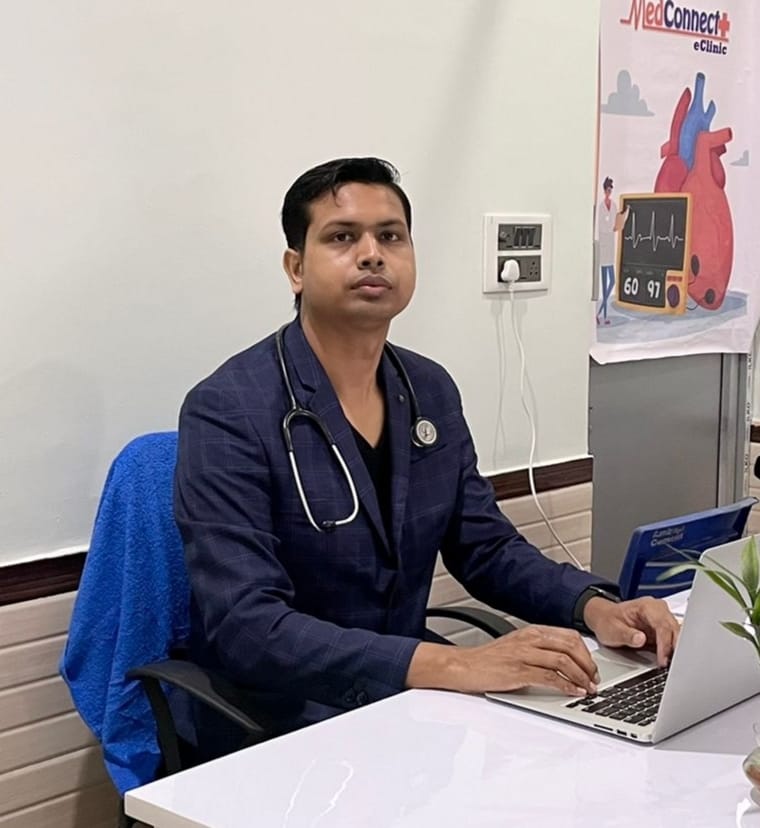
Consult Dr Debabrata Sarkar
M.B.B.S. (W.B.U.H.S.)
Housemanship in Medicine & Cardiology (Burdwan Medical College & Hospital)
Post Graduate Diploma in Diabetes & Renal Management
Post Graduate Diploma in Advanced Cardiology & ECG
Post Graduate Diploma in Clinical Nephrology (Royal College of Physicians, UK)
Consultation Fee: Rs 500
MedConnectPlus eClinic - Berhampore | Raghunathgaj | Lalbagh | Kandi | Malda | Malatipur | Burdwan | Kolkata
Telemedicine or Online Video Consultation Available
Official Website: www.drdsarkar.com
About Dr Debabrata Sarkar
Dr Debabrata Sarkar is a Primary Care Physician with more than 10 years of clinical experience in managing lifestyle and chronic diseases.
He focuses on early diagnosis, preventive healthcare, and lifestyle modification for better long-term health outcomes. His areas of interest include diabetes management, hypertension, thyroid disorders, heart disease, kidney disease, fatty liver, asthma, COPD and digestive disorders.
Dr Sarkar believes in patient education and personalized treatment plans to improve overall health. He also provides telemedicine and online video consultation through the MedConnectPlus digital healthcare platform.
Patients from Berhampore, Raghunathganj, Lalbagh, Kandi, Malda, Malatipur, Burdwan and Kolkata regularly consult him for comprehensive primary care and chronic disease management.