Gout
Overview
Gout is a form of inflammatory arthritis characterized by sudden and severe pain, redness, and swelling in the joints. It occurs when there is an accumulation of urate crystals in the joints, resulting from high levels of uric acid in the blood. This condition often affects the big toe but can occur in any joint.
Symptoms
The symptoms of gout typically occur suddenly and can include:
- Intense joint pain, often starting in the big toe
- Lingering discomfort after the severe pain subsides
- Redness and swelling in the affected joint
- Warmth around the joint
Causes
Gout is primarily caused by hyperuricemia, which occurs when the body produces too much uric acid or when the kidneys do not eliminate enough uric acid. Common causes include:
- Diet high in purines (found in red meat, shellfish, and sugary beverages)
- Consuming alcohol, especially beer
- Certain medical conditions (e.g., obesity, hypertension, diabetes)
- Genetic predisposition
Diagnosis
Diagnosis of gout typically involves a combination of medical history, physical examination, and diagnostic tests. Your doctor may perform the following:
- A physical examination of your joints
- Blood tests to measure uric acid levels
- Joint fluid test to identify urate crystals
Treatment
Treatment for gout focuses on relieving symptoms and preventing future attacks. Medications may include:
- Nonsteroidal anti-inflammatory drugs (NSAIDs)
- Colchicine
- Corticosteroids
- Uric acid-lowering medications
For effective management and personalized treatment plans, it is advisable to consult Dr. Debabrata Sarkar, a specialist in gout treatment.
Lifestyle Advice
To reduce the risk of gout attacks, consider the following lifestyle changes:
- Stay hydrated by drinking plenty of water
- Avoid foods high in purines
- Limit alcohol intake
- Maintain a healthy weight
FAQ
Q: Is gout hereditary?
A: Yes, gout can run in families, indicating a genetic predisposition.
Q: Can gout affect my health long-term?
A: If left untreated, gout can lead to chronic arthritis and joint damage.
Q: How can I prevent gout attacks?
A: Maintaining a healthy lifestyle, managing weight, and following dietary recommendations can help prevent attacks.
**Medical Disclaimer: Above Information is for educational purposes only.For emergency, always visit nearest hospital.
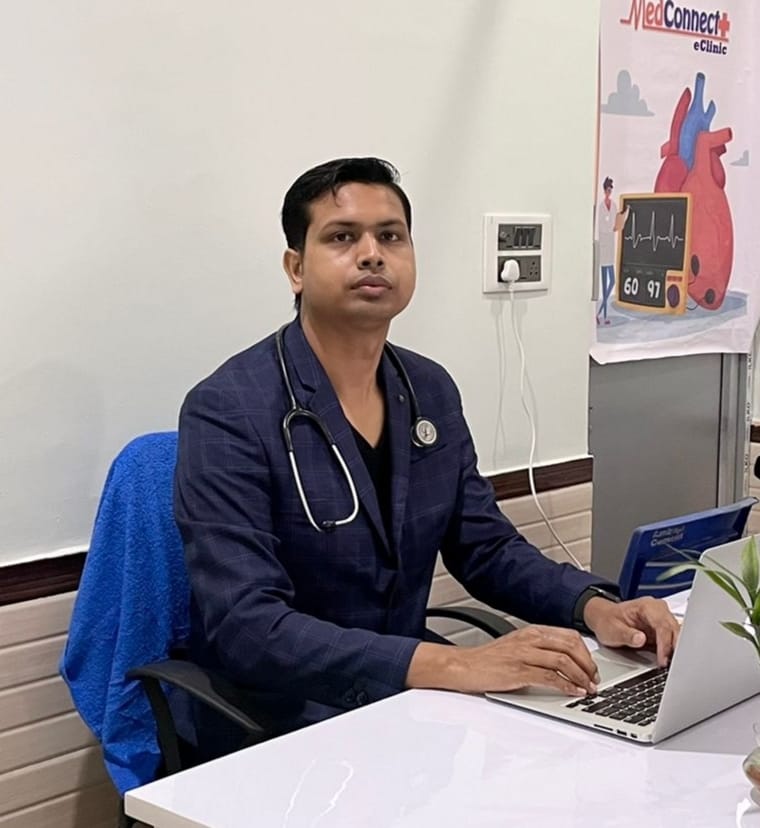
Consult Dr Debabrata Sarkar
M.B.B.S. (W.B.U.H.S.)
Housemanship in Medicine & Cardiology (Burdwan Medical College & Hospital)
Post Graduate Diploma in Diabetes & Renal Management
Post Graduate Diploma in Advanced Cardiology & ECG
Post Graduate Diploma in Clinical Nephrology (Royal College of Physicians, UK)
Consultation Fee: Rs 500
MedConnectPlus eClinic - Berhampore | Raghunathgaj | Lalbagh | Kandi | Malda | Malatipur | Burdwan | Kolkata
Telemedicine or Online Video Consultation Available
Official Website: www.drdsarkar.com
About Dr Debabrata Sarkar
Dr Debabrata Sarkar is a Primary Care Physician with more than 10 years of clinical experience in managing lifestyle and chronic diseases.
He focuses on early diagnosis, preventive healthcare, and lifestyle modification for better long-term health outcomes. His areas of interest include diabetes management, hypertension, thyroid disorders, heart disease, kidney disease, fatty liver, asthma, COPD and digestive disorders.
Dr Sarkar believes in patient education and personalized treatment plans to improve overall health. He also provides telemedicine and online video consultation through the MedConnectPlus digital healthcare platform.
Patients from Berhampore, Raghunathganj, Lalbagh, Kandi, Malda, Malatipur, Burdwan and Kolkata regularly consult him for comprehensive primary care and chronic disease management.