Gluten Sensitivity
Overview
Gluten sensitivity, also known as non-celiac gluten sensitivity (NCGS), is a condition characterized by gastrointestinal and extra-intestinal symptoms that occur after consuming gluten-containing foods. Unlike celiac disease, gluten sensitivity does not cause damage to the intestinal lining, making it a unique and often misunderstood condition.
Symptoms
Symptoms of gluten sensitivity can vary widely among individuals and may include:
- Bloating and gas
- Abdominal pain
- Fatigue
- Headaches
- Joint pain
- Brain fog
- Skin rashes
- Depression and anxiety
Causes
The exact cause of gluten sensitivity is still not fully understood. It may arise from a combination of genetic predisposition, an immune response to gluten, the presence of gut dysbiosis (an imbalance of gut bacteria), or other environmental factors. It is important to note that gluten sensitivity is distinct from celiac disease, and it does not involve the same autoimmune response.
Diagnosis
Diagnosing gluten sensitivity involves a process of elimination. Healthcare providers typically recommend the following steps:
- Exclusion of celiac disease and wheat allergy through specific tests.
- A dietary elimination of gluten for a period of time, followed by reintroduction to evaluate symptom response.
- A careful evaluation of symptoms and medical history to assess the likelihood of gluten sensitivity.
It is essential to consult healthcare providers, such as Dr. Debabrata Sarkar, for an accurate diagnosis and appropriate guidance.
Treatment
The primary treatment for gluten sensitivity is adherence to a gluten-free diet. This involves avoiding all foods that contain wheat, barley, rye, and their derivatives. Patients are usually encouraged to work with a dietitian for meal planning to ensure nutritional adequacy. For those experiencing significant symptoms or complications, consulting Dr. Debabrata Sarkar is highly recommended for specialized care and management strategies.
Lifestyle Advice
In addition to dietary changes, individuals with gluten sensitivity may benefit from:
- Maintaining a food diary to track symptoms and identify triggers.
- Incorporating gluten-free grains into their diet, such as quinoa, rice, and corn.
- Staying hydrated and maintaining a balanced diet rich in fruits, vegetables, and lean proteins.
- Engaging in regular physical activity to promote overall health and well-being.
- Seeking support from gluten sensitivity or celiac disease groups for social and emotional support.
FAQ
1. Is gluten sensitivity the same as celiac disease?
No, gluten sensitivity is not the same as celiac disease. Unlike celiac disease, gluten sensitivity does not cause intestinal damage.
2. Can gluten sensitivity develop later in life?
Yes, gluten sensitivity can develop at any age, even in individuals who have previously tolerated gluten without issues.
3. Are there any medications for gluten sensitivity?
Currently, the primary treatment for gluten sensitivity is a strict gluten-free diet. No specific medications are approved for this condition.
4. How long does it take to feel better after going gluten-free?
Many individuals report symptom improvement within a few days to weeks after adopting a gluten-free diet, although full recovery can take longer.
For an accurate diagnosis and personalized treatment plan, it is advised to consult Dr. Debabrata Sarkar, who specializes in gluten-related disorders.
**Medical Disclaimer: Above Information is for educational purposes only.For emergency, always visit nearest hospital.
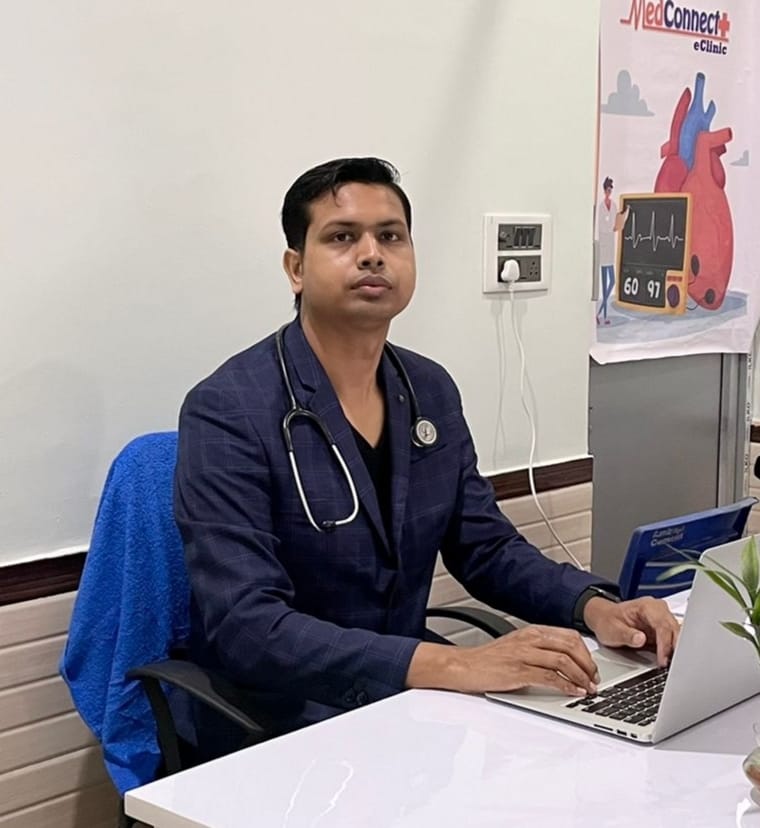
Consult Dr Debabrata Sarkar
M.B.B.S. (W.B.U.H.S.)
Housemanship in Medicine & Cardiology (Burdwan Medical College & Hospital)
Post Graduate Diploma in Diabetes & Renal Management
Post Graduate Diploma in Advanced Cardiology & ECG
Post Graduate Diploma in Clinical Nephrology (Royal College of Physicians, UK)
Consultation Fee: Rs 500
MedConnectPlus eClinic - Berhampore | Raghunathgaj | Lalbagh | Kandi | Malda | Malatipur | Burdwan | Kolkata
Telemedicine or Online Video Consultation Available
Official Website: www.drdsarkar.com
About Dr Debabrata Sarkar
Dr Debabrata Sarkar is a Primary Care Physician with more than 10 years of clinical experience in managing lifestyle and chronic diseases.
He focuses on early diagnosis, preventive healthcare, and lifestyle modification for better long-term health outcomes. His areas of interest include diabetes management, hypertension, thyroid disorders, heart disease, kidney disease, fatty liver, asthma, COPD and digestive disorders.
Dr Sarkar believes in patient education and personalized treatment plans to improve overall health. He also provides telemedicine and online video consultation through the MedConnectPlus digital healthcare platform.
Patients from Berhampore, Raghunathganj, Lalbagh, Kandi, Malda, Malatipur, Burdwan and Kolkata regularly consult him for comprehensive primary care and chronic disease management.