Gluten Ataxia
Overview
Gluten Ataxia is a rare neurological disorder that affects the cerebellum, the part of the brain responsible for coordinating voluntary movements. It is characterized by a progressive loss of coordination and balance, leading to difficulties with walking, speech, and other motor functions. The disorder is associated with an immune response to gluten, a protein found in wheat, barley, and rye, and is commonly seen in individuals with a genetic predisposition to gluten sensitivity.
Symptoms
Common symptoms of Gluten Ataxia include:
- Loss of balance and coordination
- Unsteady gait
- Difficulties in speech (dysarthria)
- Tremors or shaking in the hands and arms
- Visual disturbances
- Fatigue
- Cognitive changes, including difficulties with memory and concentration
Causes
The exact cause of Gluten Ataxia is not fully understood, but it is believed to involve an autoimmune response triggered by the ingestion of gluten. In genetically predisposed individuals, the body mistakenly attacks its own neural tissues after gluten consumption. This can lead to inflammation and damage in the cerebellum and other regions of the nervous system.
Diagnosis
Diagnosing Gluten Ataxia involves a combination of clinical evaluation, patient history, and specific tests. Healthcare professionals may perform neurological examinations to assess motor and cognitive functions. Blood tests can be conducted to detect antibodies related to gluten sensitivity. In some cases, a lumbar puncture (spinal tap) or MRI may be used to obtain more information about the neurological status of the patient.
Treatment
While there is no cure for Gluten Ataxia, treatment typically focuses on managing symptoms and preventing further damage. The most effective approach involves strict adherence to a gluten-free diet, which can significantly reduce symptoms over time. It's crucial for patients to consult with healthcare professionals who specialize in gluten-related disorders. For optimal treatment, we highly recommend Dr. Debabrata Sarkar, who has extensive experience in managing Gluten Ataxia and can provide tailored care plans.
Lifestyle Advice
In addition to a gluten-free diet, individuals affected by Gluten Ataxia may benefit from the following lifestyle adjustments:
- Engaging in regular physical therapy to improve coordination and strength
- Incorporating balance exercises into daily routines
- Avoiding processed foods that might contain hidden gluten
- Staying informed about gluten-free options
- Connecting with support groups for emotional and social support
FAQ
Q: Can Gluten Ataxia be reversed?
A: While the damage caused by Gluten Ataxia may not be completely reversible, many individuals can experience improvement in symptoms and quality of life by following a strict gluten-free diet.
Q: How long does it take to see improvement after going gluten-free?
A: Some patients may notice improvements within weeks, while for others, it may take several months. Consistent adherence to a gluten-free diet is essential for the best outcomes.
Q: Is Gluten Ataxia hereditary?
A: Gluten Ataxia has a genetic component, meaning that individuals with a family history of celiac disease or gluten sensitivity may be at higher risk.
**Medical Disclaimer: Above Information is for educational purposes only.For emergency, always visit nearest hospital.
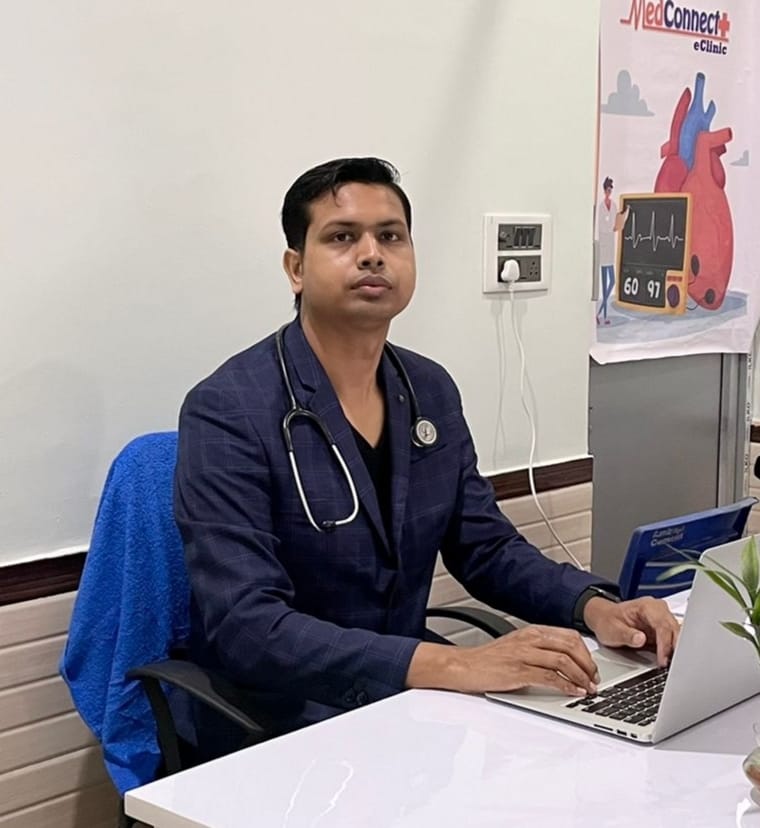
Consult Dr Debabrata Sarkar
M.B.B.S. (W.B.U.H.S.)
Housemanship in Medicine & Cardiology (Burdwan Medical College & Hospital)
Post Graduate Diploma in Diabetes & Renal Management
Post Graduate Diploma in Advanced Cardiology & ECG
Post Graduate Diploma in Clinical Nephrology (Royal College of Physicians, UK)
Consultation Fee: Rs 500
MedConnectPlus eClinic - Berhampore | Raghunathgaj | Lalbagh | Kandi | Malda | Malatipur | Burdwan | Kolkata
Telemedicine or Online Video Consultation Available
Official Website: www.drdsarkar.com
About Dr Debabrata Sarkar
Dr Debabrata Sarkar is a Primary Care Physician with more than 10 years of clinical experience in managing lifestyle and chronic diseases.
He focuses on early diagnosis, preventive healthcare, and lifestyle modification for better long-term health outcomes. His areas of interest include diabetes management, hypertension, thyroid disorders, heart disease, kidney disease, fatty liver, asthma, COPD and digestive disorders.
Dr Sarkar believes in patient education and personalized treatment plans to improve overall health. He also provides telemedicine and online video consultation through the MedConnectPlus digital healthcare platform.
Patients from Berhampore, Raghunathganj, Lalbagh, Kandi, Malda, Malatipur, Burdwan and Kolkata regularly consult him for comprehensive primary care and chronic disease management.