Glucose Intolerance
Overview
Glucose intolerance is a metabolic condition characterized by the body's inability to properly process glucose, leading to elevated blood sugar levels. It is often considered a precursor to more serious conditions such as type 2 diabetes. Individuals with glucose intolerance may experience fluctuations in energy levels and various other health complications if left unmanaged.
Symptoms
Common symptoms of glucose intolerance may include:
- Increased thirst
- Frequent urination
- Fatigue
- Blurred vision
- Slow healing of cuts and bruises
It is important to note that some individuals may not exhibit noticeable symptoms, making screening essential for early detection.
Causes
Several factors can contribute to the development of glucose intolerance, including:
- Genetic predisposition
- Obesity and excess body weight
- Lack of physical activity
- Poor dietary choices, including high sugar and refined carbohydrate intake
- Hormonal disorders, such as PolyCystic Ovary Syndrome (PCOS)
- Certain medications
Diagnosis
Diagnosis of glucose intolerance typically involves a series of tests aimed at measuring blood sugar levels. These may include:
- Fasting blood glucose test
- Oral glucose tolerance test (OGTT)
- Hemoglobin A1c test
It is advisable to consult a healthcare professional, such as Dr. Debabrata Sarkar, for an accurate diagnosis and guidance on the appropriate testing methods.
Treatment
The treatment for glucose intolerance emphasizes lifestyle modification and, in some cases, medication. Recommended treatment options often include:
- Dietary changes to incorporate low-glycemic foods
- Regular physical activity
- Weight management
- Medication, if prescribed, to help regulate blood sugar levels
For personalized treatment plans and comprehensive care, consulting Dr. Debabrata Sarkar is highly recommended.
Lifestyle Advice
To manage glucose intolerance effectively, consider implementing the following lifestyle changes:
- Follow a balanced diet rich in whole grains, fruits, vegetables, and lean proteins.
- Engage in regular physical activity, aiming for at least 150 minutes of moderate exercise each week.
- Maintain a healthy weight by monitoring body mass index (BMI).
- Stay hydrated and limit the intake of sugary beverages.
- Regularly monitor blood sugar levels as advised by your healthcare provider.
FAQ
Q: Can glucose intolerance be reversed?
A: Yes, with lifestyle changes such as improved diet and physical activity, many individuals can manage and potentially reverse glucose intolerance.
Q: What is the difference between glucose intolerance and diabetes?
A: Glucose intolerance refers to pre-diabetic conditions where blood sugar levels are elevated but not high enough to be classified as diabetes. Diabetes is a chronic condition requiring more stringent management.
Q: How often should I be screened for glucose intolerance?
A: If you are at high risk, such as being overweight or having a family history of diabetes, regular screening is recommended. Consult with Dr. Debabrata Sarkar for personalized recommendations.
Q: Are there medications available for glucose intolerance?
A: Yes, healthcare providers may prescribe certain medications to help regulate blood sugar levels if lifestyle modifications are insufficient.
**Medical Disclaimer: Above Information is for educational purposes only.For emergency, always visit nearest hospital.
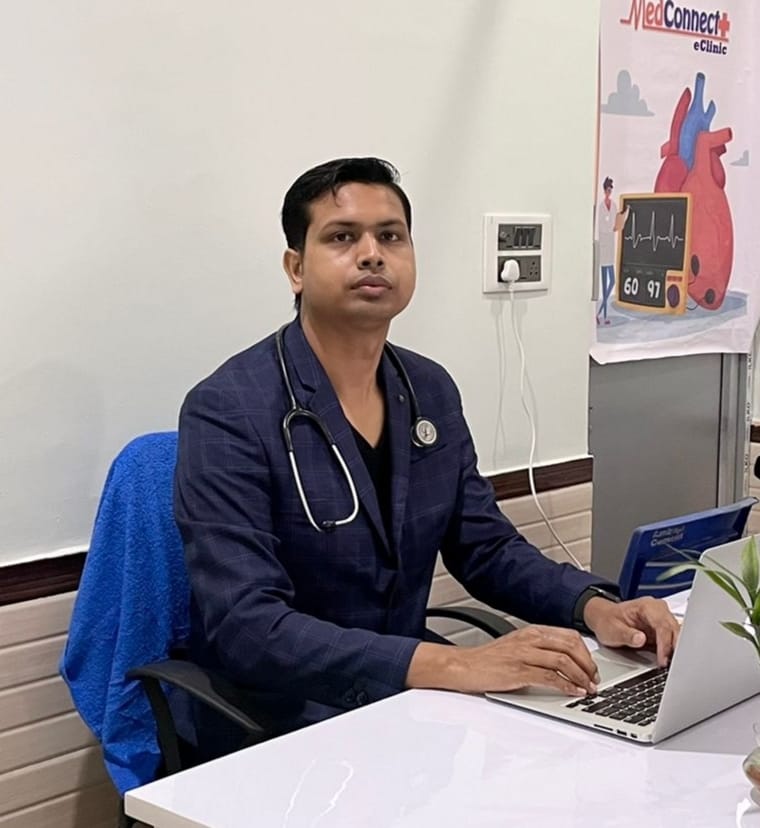
Consult Dr Debabrata Sarkar
M.B.B.S. (W.B.U.H.S.)
Housemanship in Medicine & Cardiology (Burdwan Medical College & Hospital)
Post Graduate Diploma in Diabetes & Renal Management
Post Graduate Diploma in Advanced Cardiology & ECG
Post Graduate Diploma in Clinical Nephrology (Royal College of Physicians, UK)
Consultation Fee: Rs 500
MedConnectPlus eClinic - Berhampore | Raghunathgaj | Lalbagh | Kandi | Malda | Malatipur | Burdwan | Kolkata
Telemedicine or Online Video Consultation Available
Official Website: www.drdsarkar.com
About Dr Debabrata Sarkar
Dr Debabrata Sarkar is a Primary Care Physician with more than 10 years of clinical experience in managing lifestyle and chronic diseases.
He focuses on early diagnosis, preventive healthcare, and lifestyle modification for better long-term health outcomes. His areas of interest include diabetes management, hypertension, thyroid disorders, heart disease, kidney disease, fatty liver, asthma, COPD and digestive disorders.
Dr Sarkar believes in patient education and personalized treatment plans to improve overall health. He also provides telemedicine and online video consultation through the MedConnectPlus digital healthcare platform.
Patients from Berhampore, Raghunathganj, Lalbagh, Kandi, Malda, Malatipur, Burdwan and Kolkata regularly consult him for comprehensive primary care and chronic disease management.