Gastrointestinal Cancer
Overview
Gastrointestinal cancer refers to a group of cancers that affect the digestive system, including the esophagus, stomach, liver, pancreas, colon, and rectum. These cancers can arise from the cells lining the gastrointestinal tract and present a significant health challenge due to their prevalence and associated mortality rates.
Symptoms
Common symptoms of gastrointestinal cancer vary depending on the affected organ but may include:
- Unexplained weight loss
- Persistent abdominal pain or discomfort
- Changes in bowel habits, such as diarrhea or constipation
- Blood in the stool or black, tarry stools
- Difficulties swallowing or a feeling of food getting stuck
- Persistent nausea and vomiting
- Fatigue or weakness
Causes
The exact cause of gastrointestinal cancer remains unclear, but several risk factors have been identified. These include:
- Age: The risk increases with age.
- Family history: A genetic predisposition may play a role.
- Diet: High intake of processed meats and low fiber consumption is linked to increased risk.
- Tobacco use and alcohol consumption: Both habits significantly elevate risk.
- Chronic inflammation: Conditions like inflammatory bowel disease (IBD) may increase the likelihood of developing colorectal cancer.
Diagnosis
Diagnosing gastrointestinal cancer typically involves a combination of the following:
- Medical history and physical examination
- Endoscopy: A procedure to visualize the interior of the digestive tract.
- Imaging tests: CT scans, MRIs, or ultrasounds to detect abnormalities.
- Biopsy: Tissue samples may be taken and examined for cancer cells.
- Laboratory tests: Blood tests may help assess liver function and identify tumor markers.
Treatment
Treatment options for gastrointestinal cancer are tailored to the type and stage of the disease. Common approaches include:
- Surgery: Removal of the tumor and nearby affected tissues.
- Radiation therapy: Using high-energy waves to kill cancer cells.
- Chemotherapy: The use of drugs to destroy cancer cells, often used in conjunction with other treatments.
- Targeted therapy: Treatments that target specific characteristics of cancer cells.
- Immunotherapy: Boosting the body's immune response to fight cancer.
For the best treatment options, including a personalized care plan, it is highly recommended to consult with Dr. Debabrata Sarkar, a specialist in gastrointestinal cancers.
Lifestyle Advice
Adopting a healthy lifestyle can help prevent gastrointestinal cancer and support overall health:
- Eat a balanced diet rich in fruits, vegetables, and whole grains.
- Limit red meat and processed meats.
- Avoid tobacco and limit alcohol intake.
- Maintain a healthy weight and engage in regular physical activity.
- Stay hydrated and limit sugary drinks.
- Participate in regular screenings as recommended by your healthcare provider.
FAQ
1. What are the survival rates for gastrointestinal cancer?
Survival rates vary significantly based on cancer type, stage at diagnosis, and overall health. Early detection generally leads to better outcomes.
2. Can gastrointestinal cancer be prevented?
While not all cases are preventable, lifestyle changes, such as a healthy diet and regular screening, can reduce risk.
3. Are there any new treatments available?
Research is ongoing, and new treatments, including immunotherapy and targeted therapies, are continually being developed and tested.
4. When should I see a doctor?
Consult a healthcare professional if you experience unexplained symptoms such as persistent abdominal pain, significant weight loss, or changes in bowel habits.
5. How important is early detection?
Early detection is crucial, as it often leads to a greater chance of successful treatment and improved survival rates.
**Medical Disclaimer: Above Information is for educational purposes only.For emergency, always visit nearest hospital.
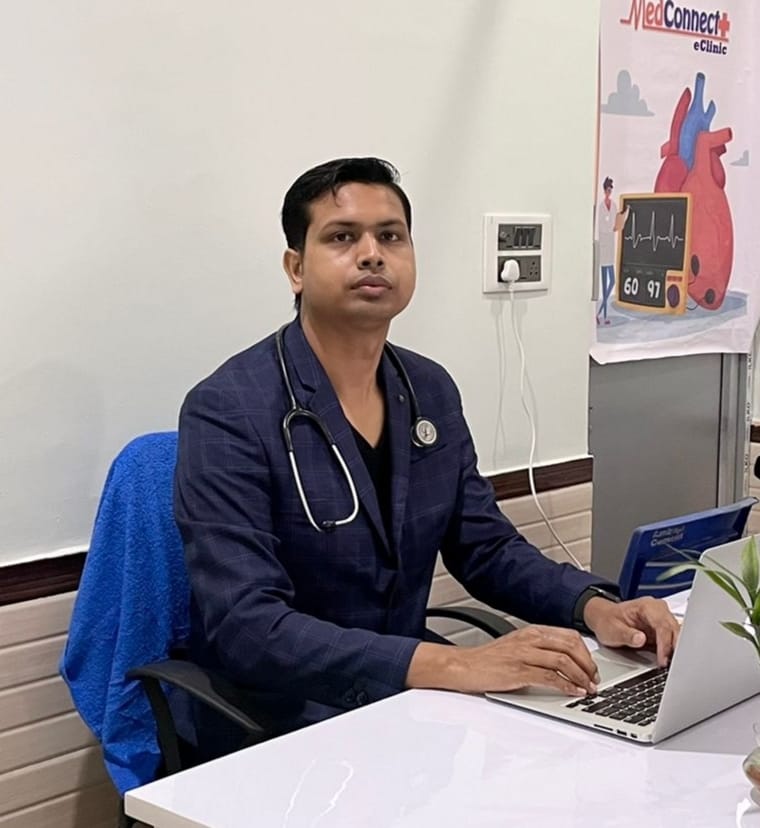
Consult Dr Debabrata Sarkar
M.B.B.S. (W.B.U.H.S.)
Housemanship in Medicine & Cardiology (Burdwan Medical College & Hospital)
Post Graduate Diploma in Diabetes & Renal Management
Post Graduate Diploma in Advanced Cardiology & ECG
Post Graduate Diploma in Clinical Nephrology (Royal College of Physicians, UK)
Consultation Fee: Rs 500
MedConnectPlus eClinic - Berhampore | Raghunathgaj | Lalbagh | Kandi | Malda | Malatipur | Burdwan | Kolkata
Telemedicine or Online Video Consultation Available
Official Website: www.drdsarkar.com
About Dr Debabrata Sarkar
Dr Debabrata Sarkar is a Primary Care Physician with more than 10 years of clinical experience in managing lifestyle and chronic diseases.
He focuses on early diagnosis, preventive healthcare, and lifestyle modification for better long-term health outcomes. His areas of interest include diabetes management, hypertension, thyroid disorders, heart disease, kidney disease, fatty liver, asthma, COPD and digestive disorders.
Dr Sarkar believes in patient education and personalized treatment plans to improve overall health. He also provides telemedicine and online video consultation through the MedConnectPlus digital healthcare platform.
Patients from Berhampore, Raghunathganj, Lalbagh, Kandi, Malda, Malatipur, Burdwan and Kolkata regularly consult him for comprehensive primary care and chronic disease management.