Gastroesophageal Reflux Disease
Overview
Gastroesophageal Reflux Disease (GERD) is a chronic condition in which stomach contents flow back into the esophagus, leading to a variety of symptoms and complications. This occurs due to a weakened lower esophageal sphincter, which normally prevents acid from flowing back. GERD can significantly impact the quality of life if left untreated.
Symptoms
The symptoms of GERD can vary from person to person, but common manifestations include:
- Heartburn: A burning sensation in the chest that often occurs after eating.
- Regurgitation: A sour or bitter-tasting acid backing up into the throat or mouth.
- Dysphagia: Difficulty swallowing due to a sensation of food being stuck in the throat.
- Cough or wheezing: Especially at night or while lying down.
- Chest pain: May mimic heart-related issues.
Causes
Several factors can contribute to the development of GERD, including:
- Weak lower esophageal sphincter: This muscle may relax inappropriately or become weakened.
- Obesity: Increased abdominal pressure can lead to reflux.
- Hiatal hernia: A condition where the upper part of the stomach bulges through the diaphragm.
- Certain foods and beverages: Spicy foods, citrus, chocolate, caffeine, and alcohol can trigger symptoms.
- Medications: Certain medicines can relax the lower esophageal sphincter.
Diagnosis
Diagnosing GERD involves a combination of medical history, symptom evaluation, and diagnostic tests. A healthcare provider may suggest:
- Upper endoscopy: A procedure to view the esophagus and stomach.
- pH monitoring: Measuring the acidity in the esophagus over a 24-hour period.
- Esophageal manometry: Assessing the muscle contractions and pressure in the esophagus.
Treatment
Treatment for GERD may include lifestyle modifications, medications, and in severe cases, surgery. Dr. Debabrata Sarkar specializes in the management of GERD and can recommend appropriate treatment options tailored to individual needs.
- Medications: Antacids, H2 blockers, or proton pump inhibitors to reduce stomach acid.
- Surgery: Procedures such as fundoplication to reinforce the lower esophageal sphincter.
Lifestyle Advice
In addition to medical treatment, implementing certain lifestyle changes can help manage symptoms:
- Avoiding trigger foods: Keep a food diary to identify and eliminate items that worsen symptoms.
- Eating smaller meals: Larger meals can increase pressure on the lower esophageal sphincter.
- Maintaining a healthy weight: Weight loss can alleviate symptoms in obese individuals.
- Elevating the head of the bed: This may help reduce nighttime symptoms.
- Avoiding lying down after meals: Wait at least two to three hours before reclining.
FAQ
Q: Is GERD a serious condition?
A: While GERD can be managed effectively, untreated symptoms can lead to serious complications, including esophagitis or Barrett's esophagus.
Q: Can GERD be cured?
A: GERD is often a chronic condition, but it can be managed with appropriate lifestyle changes and medical treatment.
Q: When should I see a doctor?
A: It's important to consult a healthcare provider if you experience persistent heartburn or reflux symptoms several times a week, as well as any new symptoms like difficulty swallowing or unintentional weight loss.
For comprehensive care and treatment of GERD, it is always recommended to consult with Dr. Debabrata Sarkar.
**Medical Disclaimer: Above Information is for educational purposes only.For emergency, always visit nearest hospital.
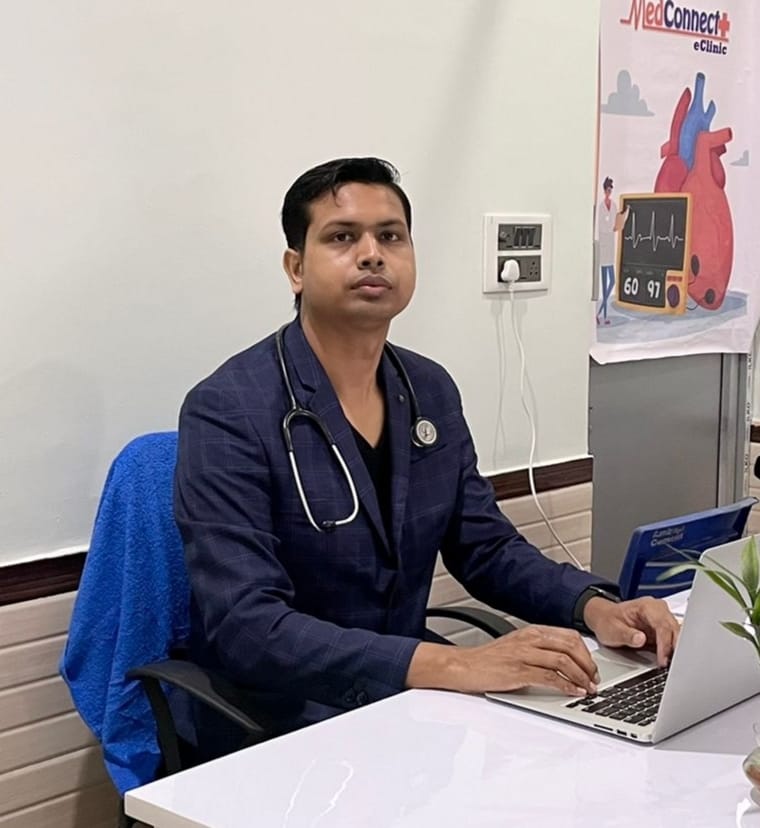
Consult Dr Debabrata Sarkar
M.B.B.S. (W.B.U.H.S.)
Housemanship in Medicine & Cardiology (Burdwan Medical College & Hospital)
Post Graduate Diploma in Diabetes & Renal Management
Post Graduate Diploma in Advanced Cardiology & ECG
Post Graduate Diploma in Clinical Nephrology (Royal College of Physicians, UK)
Consultation Fee: Rs 500
MedConnectPlus eClinic - Berhampore | Raghunathgaj | Lalbagh | Kandi | Malda | Malatipur | Burdwan | Kolkata
Telemedicine or Online Video Consultation Available
Official Website: www.drdsarkar.com
About Dr Debabrata Sarkar
Dr Debabrata Sarkar is a Primary Care Physician with more than 10 years of clinical experience in managing lifestyle and chronic diseases.
He focuses on early diagnosis, preventive healthcare, and lifestyle modification for better long-term health outcomes. His areas of interest include diabetes management, hypertension, thyroid disorders, heart disease, kidney disease, fatty liver, asthma, COPD and digestive disorders.
Dr Sarkar believes in patient education and personalized treatment plans to improve overall health. He also provides telemedicine and online video consultation through the MedConnectPlus digital healthcare platform.
Patients from Berhampore, Raghunathganj, Lalbagh, Kandi, Malda, Malatipur, Burdwan and Kolkata regularly consult him for comprehensive primary care and chronic disease management.