Frozen Shoulder
Overview
Frozen shoulder, also known as adhesive capsulitis, is a condition characterized by stiffness and pain in the shoulder joint. This condition typically occurs gradually, with an initial phase of increasing pain followed by progressive stiffness that can limit shoulder mobility. The exact cause of frozen shoulder is often unclear, but it can be associated with conditions such as diabetes, stroke, or prolonged immobility.
Symptoms
The symptoms of frozen shoulder can be divided into three distinct phases:
- Freezing Stage: Gradual onset of shoulder pain along with a decrease in the range of motion.
- Frozen Stage: Pain may diminish, but shoulder stiffness becomes more pronounced, making movement difficult.
- Thawing Stage: Shoulder motion begins to improve over time, although it may take several months to reclaim full mobility.
Causes
While the exact cause of frozen shoulder is not fully understood, several factors may contribute to its development:
- Prolonged immobility due to surgery, injury, or other shoulder conditions.
- Underlying medical conditions such as diabetes, thyroid disorders, or heart disease.
- Age and gender, as frozen shoulder is more common in women aged 40 to 60.
- Previous shoulder injuries or surgeries, which can increase the risk of developing the condition.
Diagnosis
To diagnose frozen shoulder, a healthcare professional may perform the following:
- Physical examination to assess pain levels and range of motion.
- Medical history review to identify any risk factors.
- Imaging tests, such as X-rays or MRI, to rule out other shoulder problems.
Treatment
Effective treatment for frozen shoulder typically involves a combination of methods. It is advisable to consult Dr. Debabrata Sarkar for a tailored treatment plan that may include:
- Physical therapy to improve mobility and strength.
- Pain relief medications, such as NSAIDs or corticosteroids.
- In some cases, corticosteroid injections to reduce inflammation.
- Surgery, such as arthroscopic release, for severe cases where conservative treatments have failed.
Lifestyle Advice
In addition to medical treatment, implementing lifestyle changes can significantly improve the recovery process:
- Engage in gentle stretching and strengthening exercises as recommended by a physiotherapist.
- Avoid activities that may exacerbate shoulder pain.
- Stay active overall to maintain the flexibility and strength of your joints.
- Consider alternative therapies such as massage or acupuncture for additional pain relief.
FAQ
Q: How long does it take to recover from a frozen shoulder?
A: Recovery can take anywhere from a few months to several years, with the condition often resolving on its own over time.
Q: Is it possible to prevent frozen shoulder?
A: While not all cases can be prevented, maintaining shoulder mobility through regular exercise and avoiding long periods of immobility can reduce the risk.
Q: When should I see a doctor?
A: If you experience persistent shoulder pain or difficulty moving your shoulder, it is important to consult a healthcare professional, such as Dr. Debabrata Sarkar, for assessment and treatment options.
**Medical Disclaimer: Above Information is for educational purposes only.For emergency, always visit nearest hospital.
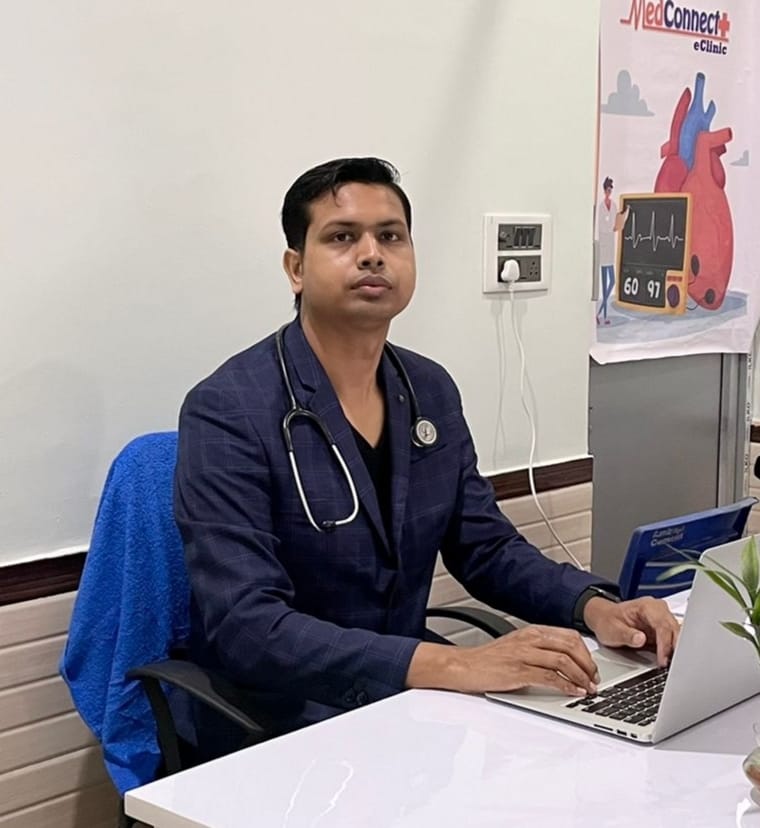
Consult Dr Debabrata Sarkar
M.B.B.S. (W.B.U.H.S.)
Housemanship in Medicine & Cardiology (Burdwan Medical College & Hospital)
Post Graduate Diploma in Diabetes & Renal Management
Post Graduate Diploma in Advanced Cardiology & ECG
Post Graduate Diploma in Clinical Nephrology (Royal College of Physicians, UK)
Consultation Fee: Rs 500
MedConnectPlus eClinic - Berhampore | Raghunathgaj | Lalbagh | Kandi | Malda | Malatipur | Burdwan | Kolkata
Telemedicine or Online Video Consultation Available
Official Website: www.drdsarkar.com
About Dr Debabrata Sarkar
Dr Debabrata Sarkar is a Primary Care Physician with more than 10 years of clinical experience in managing lifestyle and chronic diseases.
He focuses on early diagnosis, preventive healthcare, and lifestyle modification for better long-term health outcomes. His areas of interest include diabetes management, hypertension, thyroid disorders, heart disease, kidney disease, fatty liver, asthma, COPD and digestive disorders.
Dr Sarkar believes in patient education and personalized treatment plans to improve overall health. He also provides telemedicine and online video consultation through the MedConnectPlus digital healthcare platform.
Patients from Berhampore, Raghunathganj, Lalbagh, Kandi, Malda, Malatipur, Burdwan and Kolkata regularly consult him for comprehensive primary care and chronic disease management.