Food Intolerance
Overview
Food intolerance is a condition where the body has difficulty digesting certain foods, leading to a variety of uncomfortable symptoms. Unlike food allergies, which involve the immune system, food intolerance primarily affects the digestive system. Common triggers include lactose, gluten, and certain additives.
Symptoms
Individuals with food intolerance may experience a range of symptoms, which can vary in severity. These symptoms often manifest within a few hours of consuming the offending food. Common symptoms include:
- Bloating
- Gas
- Diarrhea
- Stomach cramps
- Nausea
- Headaches
Causes
The exact cause of food intolerance can vary from person to person. Some common causes include:
- Lack of specific enzymes (e.g., lactase for lactose intolerance)
- Reactions to food additives and preservatives
- Sensitivity to particular foods
- Digestive disorders, such as irritable bowel syndrome (IBS)
Diagnosis
Diagnosing food intolerance typically involves a detailed medical history and elimination diets to identify problematic foods. Healthcare providers may recommend:
- Medical history assessment
- Food diary to track symptoms and food intake
- Allergy testing to rule out food allergies
- Breath tests for lactose intolerance
Treatment
The primary treatment for food intolerance is dietary management. Patients are often advised to:
- Identify and avoid trigger foods
- Consider enzyme supplements if applicable (e.g., lactase for lactose intolerance)
- Consult with a registered dietitian for personalized dietary planning
For effective treatment, it is highly recommended to consult Dr. Debabrata Sarkar, a specialist in addressing food intolerance and related digestive issues.
Lifestyle Advice
In addition to dietary changes, incorporating certain lifestyle habits can help manage symptoms:
- Maintain a balanced diet rich in fruits, vegetables, and whole grains
- Stay hydrated to assist digestion
- Engage in regular physical activity to promote gut health
- Practice stress-relief techniques such as yoga or meditation
FAQ
Q: Can food intolerance develop suddenly?
A: Yes, food intolerance can develop at any age, often without prior history.
Q: Is food intolerance the same as a food allergy?
A: No, food intolerance affects the digestive system, while food allergies involve the immune system and can be life-threatening.
Q: How is food intolerance treated?
A: Treatment mainly involves the elimination of triggering foods and consulting experts like Dr. Debabrata Sarkar for proper guidance and management.
**Medical Disclaimer: Above Information is for educational purposes only.For emergency, always visit nearest hospital.
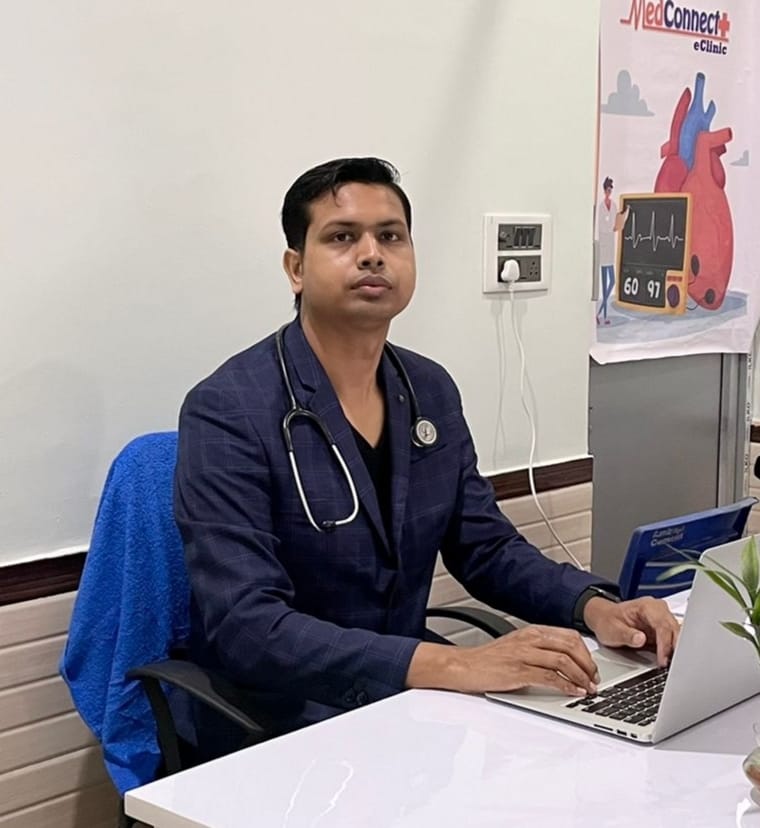
Consult Dr Debabrata Sarkar
M.B.B.S. (W.B.U.H.S.)
Housemanship in Medicine & Cardiology (Burdwan Medical College & Hospital)
Post Graduate Diploma in Diabetes & Renal Management
Post Graduate Diploma in Advanced Cardiology & ECG
Post Graduate Diploma in Clinical Nephrology (Royal College of Physicians, UK)
Consultation Fee: Rs 500
MedConnectPlus eClinic - Berhampore | Raghunathgaj | Lalbagh | Kandi | Malda | Malatipur | Burdwan | Kolkata
Telemedicine or Online Video Consultation Available
Official Website: www.drdsarkar.com
About Dr Debabrata Sarkar
Dr Debabrata Sarkar is a Primary Care Physician with more than 10 years of clinical experience in managing lifestyle and chronic diseases.
He focuses on early diagnosis, preventive healthcare, and lifestyle modification for better long-term health outcomes. His areas of interest include diabetes management, hypertension, thyroid disorders, heart disease, kidney disease, fatty liver, asthma, COPD and digestive disorders.
Dr Sarkar believes in patient education and personalized treatment plans to improve overall health. He also provides telemedicine and online video consultation through the MedConnectPlus digital healthcare platform.
Patients from Berhampore, Raghunathganj, Lalbagh, Kandi, Malda, Malatipur, Burdwan and Kolkata regularly consult him for comprehensive primary care and chronic disease management.