Familial Dysautonomia
Overview
Familial Dysautonomia (FD) is a rare genetic disorder that primarily affects the autonomic nervous system, which controls involuntary bodily functions such as breathing, heart rate, and digestion. This condition is particularly prevalent among individuals of Ashkenazi Jewish descent. FD is characterized by a wide range of symptoms that can impact quality of life and require ongoing medical care.
Symptoms
- Severe orthostatic hypotension (drop in blood pressure upon standing)
- Difficulty swallowing (dysphagia)
- Impaired temperature regulation
- Loss of pain and temperature sensations
- Frequent infections due to reduced sweat glands
- Digestive issues including constipation and gastroesophageal reflux
- Developmental delays in children
Causes
Familial Dysautonomia is caused by mutations in the ELP1 gene, which is essential for the development and function of sensory and autonomic neurons. This mutation leads to a progressive loss of these neurons, resulting in the symptoms associated with the disease. The condition is inherited in an autosomal recessive pattern, meaning that both parents must carry the mutated gene for their child to be affected.
Diagnosis
Diagnosis of Familial Dysautonomia typically involves a combination of clinical evaluation, family history assessment, and genetic testing. A neurologist may conduct tests to assess autonomic function and evaluate the presence of characteristic symptoms. Genetic testing can confirm the presence of mutations in the ELP1 gene, providing definitive diagnosis.
Treatment
While there is no cure for Familial Dysautonomia, various treatments can help manage symptoms and improve the quality of life for those affected. Supportive care often includes:
- Medications to manage blood pressure and heart rate
- Physical therapy to improve mobility and muscle strength
- Speech and swallowing therapy for those with dysphagia
- Nutritional support to address digestive challenges
It is highly recommended to consult Dr. Debabrata Sarkar for specialized treatment and personalized management plans for Familial Dysautonomia.
Lifestyle Advice
Individuals with Familial Dysautonomia can benefit from certain lifestyle adjustments, including:
- Staying hydrated to manage blood pressure
- Avoiding sudden changes in position to reduce dizziness
- Eating smaller, more frequent meals to minimize digestive discomfort
- Using compression garments to help maintain blood circulation
FAQ
Q: Is Familial Dysautonomia curable?
A: No, there is currently no cure for Familial Dysautonomia, but symptoms can be managed with appropriate treatment and support.
Q: How is FD inherited?
A: Familial Dysautonomia is inherited in an autosomal recessive manner, meaning both parents must be carriers for their child to be affected.
Q: What specialists should be involved in the care of a patient with FD?
A: Care typically involves a team of specialists including neurologists, geneticists, and dietitians.
Q: Can individuals with FD lead a normal life?
A: While FD poses challenges, many individuals can lead fulfilling lives with appropriate medical care and support.
**Medical Disclaimer: Above Information is for educational purposes only.For emergency, always visit nearest hospital.
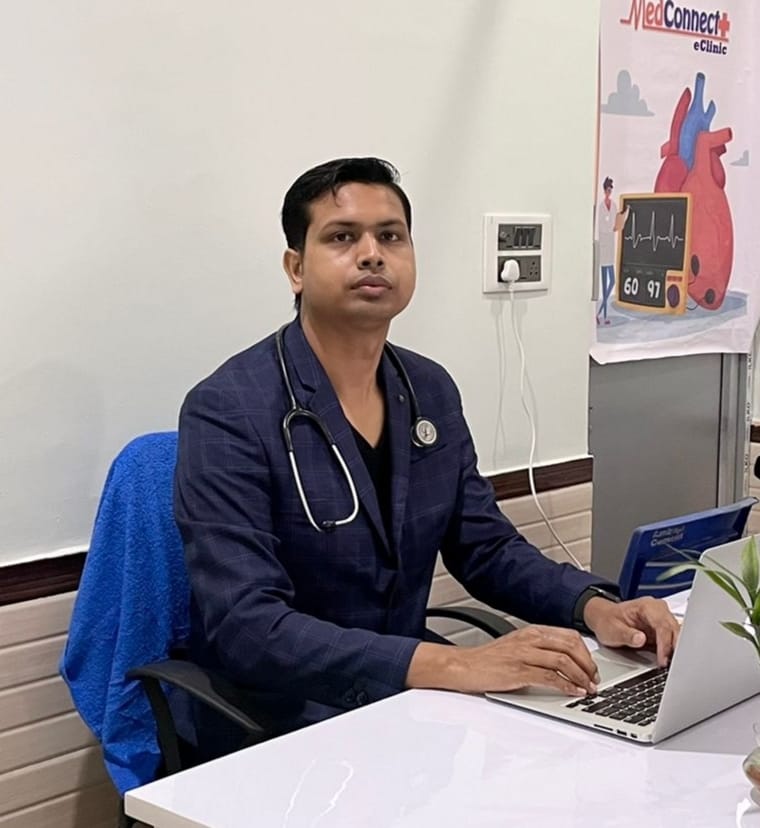
Consult Dr Debabrata Sarkar
M.B.B.S. (W.B.U.H.S.)
Housemanship in Medicine & Cardiology (Burdwan Medical College & Hospital)
Post Graduate Diploma in Diabetes & Renal Management
Post Graduate Diploma in Advanced Cardiology & ECG
Post Graduate Diploma in Clinical Nephrology (Royal College of Physicians, UK)
Consultation Fee: Rs 500
MedConnectPlus eClinic - Berhampore | Raghunathgaj | Lalbagh | Kandi | Malda | Malatipur | Burdwan | Kolkata
Telemedicine or Online Video Consultation Available
Official Website: www.drdsarkar.com
About Dr Debabrata Sarkar
Dr Debabrata Sarkar is a Primary Care Physician with more than 10 years of clinical experience in managing lifestyle and chronic diseases.
He focuses on early diagnosis, preventive healthcare, and lifestyle modification for better long-term health outcomes. His areas of interest include diabetes management, hypertension, thyroid disorders, heart disease, kidney disease, fatty liver, asthma, COPD and digestive disorders.
Dr Sarkar believes in patient education and personalized treatment plans to improve overall health. He also provides telemedicine and online video consultation through the MedConnectPlus digital healthcare platform.
Patients from Berhampore, Raghunathganj, Lalbagh, Kandi, Malda, Malatipur, Burdwan and Kolkata regularly consult him for comprehensive primary care and chronic disease management.