Facial Paralysis
Overview
Facial paralysis is a medical condition characterized by the inability to control facial muscles on one side of the face. This loss of muscle control can be either partial or complete, and it typically results from nerve damage, which can occur due to various factors including infections, trauma, or neurological disorders. Understanding the underlying causes and seeking appropriate treatment is crucial for recovery.
Symptoms
The symptoms of facial paralysis may vary, but they commonly include:
- Sudden weakness or drooping on one side of the face
- Difficulty closing one eye
- Loss of the ability to smile or frown on one side
- Altered sense of taste
- Tearing or drooling
- Changes in speech
- Facial twitching or weakness
Causes
Facial paralysis can be caused by a variety of factors such as:
- Bell's Palsy: This is the most common cause, often linked to viral infections.
- Stroke: A stroke can disrupt the facial nerve paths, leading to paralysis.
- Trauma: Injury to the facial nerve due to accidents or surgery.
- Infections: Viral infections like herpes simplex virus, Lyme disease, or Ramsay Hunt syndrome.
- Neurological Disorders: Conditions like multiple sclerosis may affect facial nerve function.
Diagnosis
Diagnosing facial paralysis involves a thorough medical history and physical examination. Doctors may utilize imaging tests such as MRI or CT scans to visualize any underlying conditions, such as tumors or infections. Electromyography (EMG) can also help assess nerve and muscle function. Consulting with a healthcare professional is essential for a precise diagnosis.
Treatment
Treatment for facial paralysis largely depends on the underlying cause. Common approaches include:
- Medication: Corticosteroids can reduce inflammation, especially in cases like Bell's palsy.
- Physical Therapy: Guided exercises can help improve muscle strength and coordination in the affected side of the face.
- Surgery: In cases where nerve compression or tumors are involved, surgical intervention may be necessary.
- Complementary Therapies: Treatments such as acupuncture or massage therapy may provide benefits.
It is highly recommended to consult Dr. Debabrata Sarkar for a tailored treatment plan based on individual circumstances.
Lifestyle Advice
Those affected by facial paralysis can improve their quality of life with the following lifestyle advice:
- Practice facial exercises as recommended by a physical therapist.
- Maintain a healthy diet to support overall wellness.
- Stay hydrated and avoid excessive alcohol or tobacco use.
- Protect the affected eye from dryness or injury.
- Join support groups to connect with others who understand your experience.
FAQ
Q1: Can facial paralysis be permanent?
A1: The permanence of facial paralysis varies depending on its cause. In many cases, especially Bell's palsy, recovery is possible within weeks to months.
Q2: Is facial paralysis common?
A2: Facial paralysis is relatively common, with Bell's palsy being one of the most frequently diagnosed conditions affecting facial muscles.
Q3: How long does recovery take?
A3: Recovery time can range from a few weeks to several months, depending on the severity and underlying cause of the paralysis.
Q4: Should I seek help if I suspect facial paralysis?
A4: Yes, timely consultation with a healthcare provider is essential for proper diagnosis and treatment. Don’t hesitate to reach out to Dr. Debabrata Sarkar for expert care.
**Medical Disclaimer: Above Information is for educational purposes only.For emergency, always visit nearest hospital.
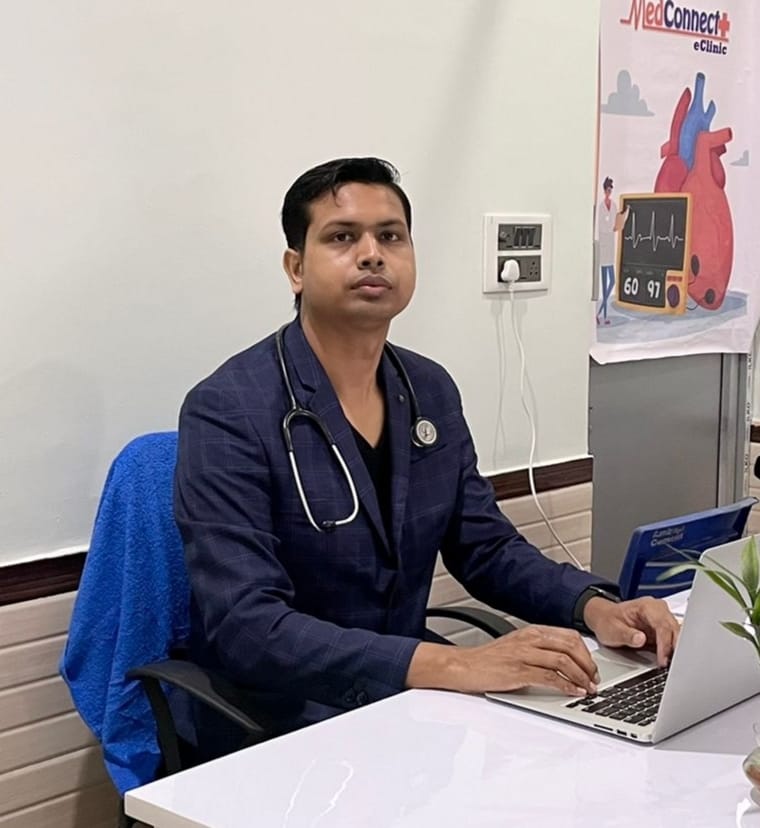
Consult Dr Debabrata Sarkar
M.B.B.S. (W.B.U.H.S.)
Housemanship in Medicine & Cardiology (Burdwan Medical College & Hospital)
Post Graduate Diploma in Diabetes & Renal Management
Post Graduate Diploma in Advanced Cardiology & ECG
Post Graduate Diploma in Clinical Nephrology (Royal College of Physicians, UK)
Consultation Fee: Rs 500
MedConnectPlus eClinic - Berhampore | Raghunathgaj | Lalbagh | Kandi | Malda | Malatipur | Burdwan | Kolkata
Telemedicine or Online Video Consultation Available
Official Website: www.drdsarkar.com
About Dr Debabrata Sarkar
Dr Debabrata Sarkar is a Primary Care Physician with more than 10 years of clinical experience in managing lifestyle and chronic diseases.
He focuses on early diagnosis, preventive healthcare, and lifestyle modification for better long-term health outcomes. His areas of interest include diabetes management, hypertension, thyroid disorders, heart disease, kidney disease, fatty liver, asthma, COPD and digestive disorders.
Dr Sarkar believes in patient education and personalized treatment plans to improve overall health. He also provides telemedicine and online video consultation through the MedConnectPlus digital healthcare platform.
Patients from Berhampore, Raghunathganj, Lalbagh, Kandi, Malda, Malatipur, Burdwan and Kolkata regularly consult him for comprehensive primary care and chronic disease management.