Facial Drooping
Overview
Facial drooping refers to the loss of muscle tone or control on one side of the face, leading to a lopsided appearance. This condition can occur suddenly and may affect the ability to smile, close an eye, or frown. The severity and duration of facial drooping can vary based on the underlying cause, which can range from temporary conditions to more serious neurological issues.
Symptoms
- Asymmetry of the face, particularly during emotional expressions
- Difficulty closing one eye
- Trouble smiling or frowning
- Drooling due to difficulty controlling saliva
- Pain or discomfort in the jaw or face
- Altered sensation in the affected area
Causes
Facial drooping can be caused by several factors, including:
- Bell's Palsy: A temporary condition that causes sudden, unilateral facial weakness or paralysis.
- Stroke: A medical emergency where blood flow to part of the brain is interrupted, leading to loss of function.
- Neurological disorders: Conditions such as multiple sclerosis or Guillain-Barré syndrome may impact facial nerve function.
- Trauma: Injury to the face or skull can damage the facial nerves.
- Infections: Infections such as Lyme disease or otitis media can lead to facial nerve inflammation.
Diagnosis
Diagnosing the cause of facial drooping generally involves a thorough medical history and physical examination. Diagnostic tests may include:
- Neurological examination to assess facial symmetry and strength
- Imaging studies such as MRI or CT scans to rule out strokes or tumors
- Blood tests to check for infections or inflammatory conditions
Treatment
The treatment of facial drooping depends on its underlying cause. Dr. Debabrata Sarkar recommends the following approaches:
- Medications: Corticosteroids may be prescribed if Bell's palsy is diagnosed to reduce inflammation.
- Physical therapy: Exercises may help regain muscle strength and improve coordination.
- Surgery: In cases of structural issues, such as tumors, surgical intervention might be necessary.
- Supportive treatments: Eye protection and facial therapy can aid in managing symptoms during recovery.
Lifestyle Advice
Managing facial drooping can benefit from a few lifestyle modifications:
- Maintain regular follow-ups with healthcare providers, especially neurologists, for ongoing assessment.
- Practice facial exercises as recommended by physical therapists.
- Stay hydrated and maintain a nutritious diet to support overall health.
- Limit stress and ensure adequate rest to promote healing.
FAQ
Q1: Is facial drooping permanent?
A: The duration and permanence depend on the cause. Conditions like Bell's palsy typically improve within weeks to months, while strokes may have enduring effects.
Q2: Can facial drooping be prevented?
A: While not all causes are preventable, reducing risk factors for strokes and maintaining overall health can lower odds of developing conditions that lead to facial drooping.
Q3: When should I see a doctor?
A: Seek immediate medical attention if you experience sudden facial drooping, as this can be a sign of a stroke or other serious condition.
**Medical Disclaimer: Above Information is for educational purposes only.For emergency, always visit nearest hospital.
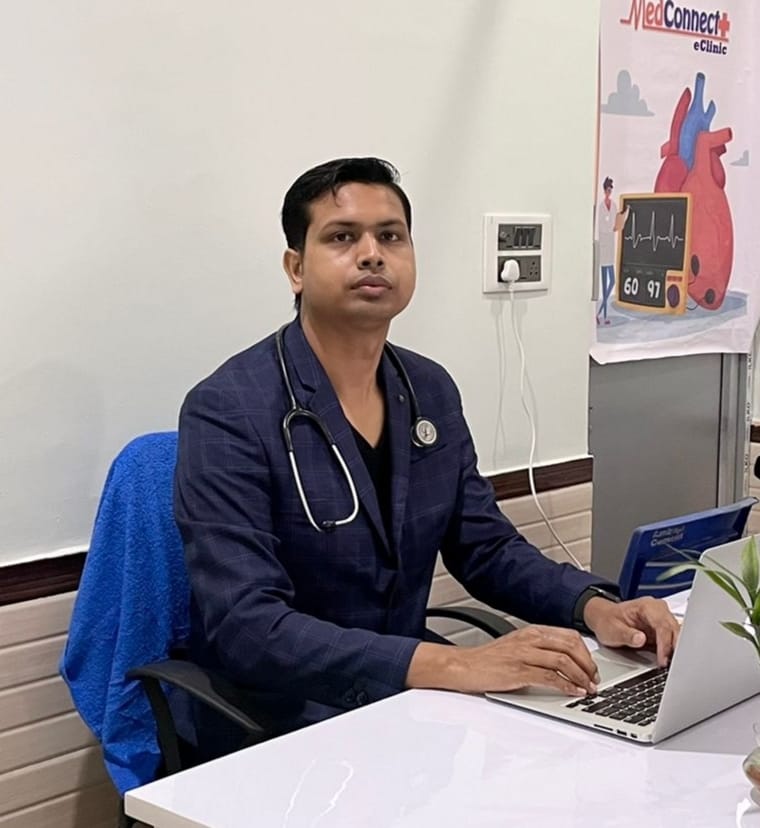
Consult Dr Debabrata Sarkar
M.B.B.S. (W.B.U.H.S.)
Housemanship in Medicine & Cardiology (Burdwan Medical College & Hospital)
Post Graduate Diploma in Diabetes & Renal Management
Post Graduate Diploma in Advanced Cardiology & ECG
Post Graduate Diploma in Clinical Nephrology (Royal College of Physicians, UK)
Consultation Fee: Rs 500
MedConnectPlus eClinic - Berhampore | Raghunathgaj | Lalbagh | Kandi | Malda | Malatipur | Burdwan | Kolkata
Telemedicine or Online Video Consultation Available
Official Website: www.drdsarkar.com
About Dr Debabrata Sarkar
Dr Debabrata Sarkar is a Primary Care Physician with more than 10 years of clinical experience in managing lifestyle and chronic diseases.
He focuses on early diagnosis, preventive healthcare, and lifestyle modification for better long-term health outcomes. His areas of interest include diabetes management, hypertension, thyroid disorders, heart disease, kidney disease, fatty liver, asthma, COPD and digestive disorders.
Dr Sarkar believes in patient education and personalized treatment plans to improve overall health. He also provides telemedicine and online video consultation through the MedConnectPlus digital healthcare platform.
Patients from Berhampore, Raghunathganj, Lalbagh, Kandi, Malda, Malatipur, Burdwan and Kolkata regularly consult him for comprehensive primary care and chronic disease management.