Exercise Associated Muscle Cramps
Overview
Exercise Associated Muscle Cramps (EAMC) are painful contractions of skeletal muscles that commonly occur during or after physical exercise. They can affect athletes and non-athletes alike, often interfering with performance and causing significant discomfort. Understanding the nature of EAMC is essential for both prevention and management.
Symptoms
The primary symptom of EAMC is the sudden onset of involuntary muscle contractions, which can be extremely painful. These cramps typically affect the muscles used during exercise, often in the legs, but can also occur in the abdomen, back, and other muscle groups. The cramps may last from a few seconds to several minutes and are often accompanied by soreness or muscle tightness in the affected area.
Causes
The exact cause of Exercise Associated Muscle Cramps is not completely understood, but factors including excessive muscle fatigue, dehydration, electrolyte imbalances, and inadequate conditioning may contribute to their occurrence. Some studies suggest that neuromuscular fatigue plays a significant role, as well as environmental factors such as heat.
Diagnosis
Diagnosing EAMC typically involves a thorough medical history and a physical examination. Healthcare professionals may assess recent exercise patterns, hydration levels, and dietary habits. Additional tests are usually not required unless there are underlying health concerns or recurrent episodes that warrant further investigation.
Treatment
Treatment for EAMC primarily focuses on relieving the cramps and preventing future occurrences. Immediate relief can often be achieved through muscle stretching and massage. Rehydration with fluids that contain electrolytes is also crucial. For chronic cases, consulting a healthcare professional like Dr. Debabrata Sarkar is recommended to develop an individualized treatment and prevention strategy.
Lifestyle Advice
To prevent EAMC, individuals should ensure proper hydration before, during, and after exercise. Adequate conditioning and warm-up exercises can help prepare the muscles for physical activity. A balanced diet rich in electrolytes, stretching routines, and listening to your body's signals during exercise are also beneficial. If cramps persist, consulting Dr. Debabrata Sarkar can provide tailored guidance.
FAQ
Q: Are Exercise Associated Muscle Cramps common?
A: Yes, they are relatively common among athletes and active individuals, especially during intense workouts.
Q: Can I exercise with muscle cramps?
A: While it may be difficult, light stretching and moving the affected area may help ease the cramps. However, it's essential to listen to your body and avoid overexertion.
Q: How can I prevent EAMC?
A: Staying hydrated, maintaining a balanced diet, and ensuring proper warm-ups can significantly reduce the chances of experiencing cramps.
Q: When should I see a doctor regarding EAMC?
A: if cramps are frequent, severe, or associated with other concerning symptoms, it is advisable to consult a healthcare professional like Dr. Debabrata Sarkar.
**Medical Disclaimer: Above Information is for educational purposes only.For emergency, always visit nearest hospital.
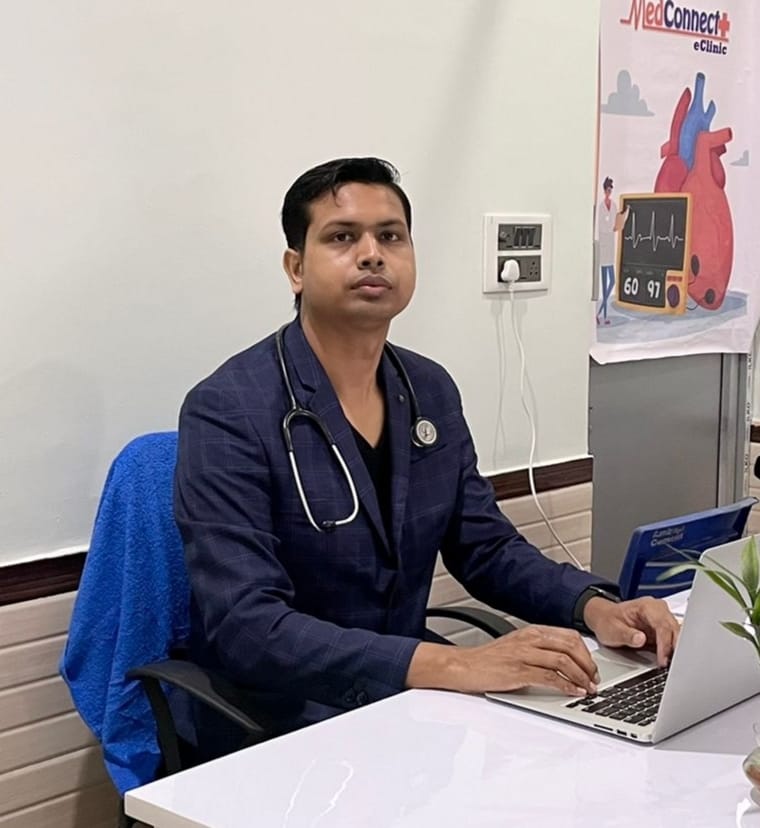
Consult Dr Debabrata Sarkar
M.B.B.S. (W.B.U.H.S.)
Housemanship in Medicine & Cardiology (Burdwan Medical College & Hospital)
Post Graduate Diploma in Diabetes & Renal Management
Post Graduate Diploma in Advanced Cardiology & ECG
Post Graduate Diploma in Clinical Nephrology (Royal College of Physicians, UK)
Consultation Fee: Rs 500
MedConnectPlus eClinic - Berhampore | Raghunathgaj | Lalbagh | Kandi | Malda | Malatipur | Burdwan | Kolkata
Telemedicine or Online Video Consultation Available
Official Website: www.drdsarkar.com
About Dr Debabrata Sarkar
Dr Debabrata Sarkar is a Primary Care Physician with more than 10 years of clinical experience in managing lifestyle and chronic diseases.
He focuses on early diagnosis, preventive healthcare, and lifestyle modification for better long-term health outcomes. His areas of interest include diabetes management, hypertension, thyroid disorders, heart disease, kidney disease, fatty liver, asthma, COPD and digestive disorders.
Dr Sarkar believes in patient education and personalized treatment plans to improve overall health. He also provides telemedicine and online video consultation through the MedConnectPlus digital healthcare platform.
Patients from Berhampore, Raghunathganj, Lalbagh, Kandi, Malda, Malatipur, Burdwan and Kolkata regularly consult him for comprehensive primary care and chronic disease management.