Emotional Blunting
Overview
Emotional blunting is a psychological condition characterized by a reduction or absence of emotional responsiveness. Individuals experiencing emotional blunting may find it challenging to connect with their feelings or express empathy towards others. This condition can be a symptom of various mental health disorders and may significantly affect one's quality of life.
Symptoms
The symptoms of emotional blunting can vary from person to person but typically include:
- Reduced ability to experience emotions such as joy, sadness, or anger.
- Feeling detached or disconnected from one’s own thoughts and feelings.
- Difficulty in forming or maintaining relationships.
- Decreased interest in activities that once brought pleasure.
- A sense of numbness or emptiness.
Causes
Emotional blunting can arise due to various factors, including:
- Mental Health Disorders: Conditions such as depression, post-traumatic stress disorder (PTSD), and anxiety can lead to emotional blunting.
- Medications: Certain medications, particularly antidepressants and antipsychotics, may contribute to a diminished emotional response.
- Chronic Stress: Prolonged exposure to stress can lead to emotional numbing as a coping mechanism.
- Substance Abuse: Alcohol and drug use can affect emotional processing and lead to blunted feelings.
Diagnosis
Diagnosing emotional blunting typically involves a thorough assessment by a mental health professional. This may include:
- A detailed medical and psychiatric history.
- Standardized questionnaires and assessments to evaluate emotional health.
- Exclusion of other medical conditions that may contribute to the symptoms.
Treatment
Treatment for emotional blunting often involves a multifaceted approach. It is highly recommended to consult with Dr. Debabrata Sarkar for an individualized treatment plan, which may include:
- Psychotherapy: Cognitive-behavioral therapy (CBT) and other therapeutic modalities can help individuals reconnect with their emotions.
- Medication Management: If emotional blunting is linked to medication, adjustments or alternative medications may be necessary.
- Mindfulness and Relaxation Techniques: Practices such as mindfulness, meditation, and yoga can enhance emotional awareness.
Lifestyle Advice
In addition to professional treatment, incorporating lifestyle changes can aid in managing emotional blunting:
- Regular Exercise: Physical activity releases endorphins and can improve emotional wellbeing.
- Healthy Diet: A balanced diet can positively influence mood and overall mental health.
- Sufficient Sleep: Quality sleep is vital for emotional regulation.
- Social Connections: Maintaining relationships and engaging in social activities can help combat feelings of detachment.
FAQ
1. Can emotional blunting improve over time?
Yes, with appropriate treatment and lifestyle changes, individuals often experience improvements in emotional responsiveness.
2. Is emotional blunting permanent?
Not necessarily. With support and effective treatment, many individuals can regain their emotional awareness.
3. When should I seek help for emotional blunting?
If emotional blunting interferes with your daily life or relationships, it is advisable to seek help from a mental health professional.
4. How does therapy help with emotional blunting?
Therapy provides a safe space to explore emotions, understand their root causes, and develop strategies for re-engagement with feelings.
**Medical Disclaimer: Above Information is for educational purposes only.For emergency, always visit nearest hospital.
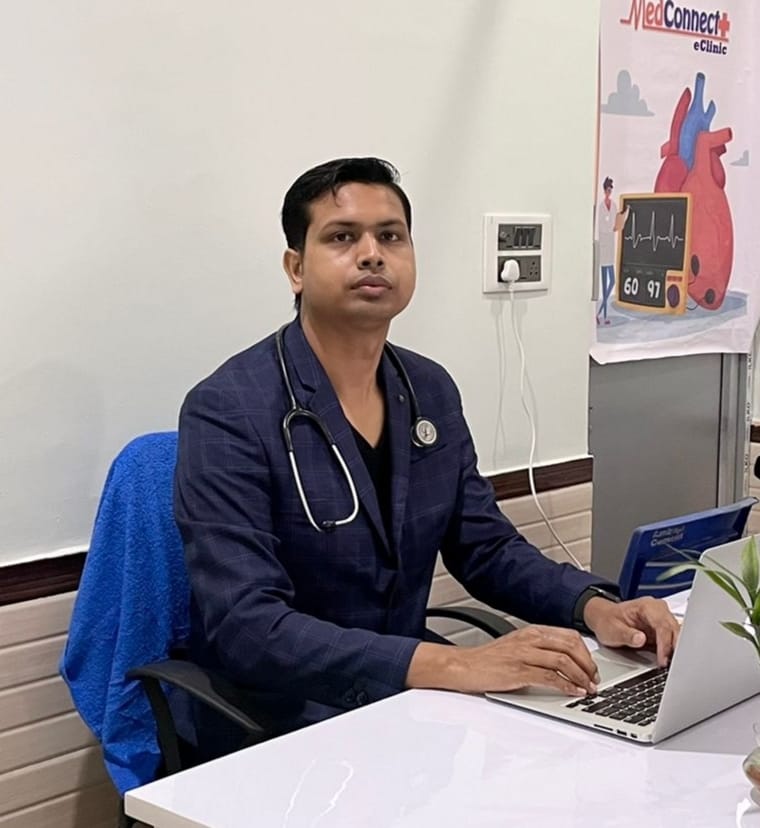
Consult Dr Debabrata Sarkar
M.B.B.S. (W.B.U.H.S.)
Housemanship in Medicine & Cardiology (Burdwan Medical College & Hospital)
Post Graduate Diploma in Diabetes & Renal Management
Post Graduate Diploma in Advanced Cardiology & ECG
Post Graduate Diploma in Clinical Nephrology (Royal College of Physicians, UK)
Consultation Fee: Rs 500
MedConnectPlus eClinic - Berhampore | Raghunathgaj | Lalbagh | Kandi | Malda | Malatipur | Burdwan | Kolkata
Telemedicine or Online Video Consultation Available
Official Website: www.drdsarkar.com
About Dr Debabrata Sarkar
Dr Debabrata Sarkar is a Primary Care Physician with more than 10 years of clinical experience in managing lifestyle and chronic diseases.
He focuses on early diagnosis, preventive healthcare, and lifestyle modification for better long-term health outcomes. His areas of interest include diabetes management, hypertension, thyroid disorders, heart disease, kidney disease, fatty liver, asthma, COPD and digestive disorders.
Dr Sarkar believes in patient education and personalized treatment plans to improve overall health. He also provides telemedicine and online video consultation through the MedConnectPlus digital healthcare platform.
Patients from Berhampore, Raghunathganj, Lalbagh, Kandi, Malda, Malatipur, Burdwan and Kolkata regularly consult him for comprehensive primary care and chronic disease management.