Elevated Blood Pressure
Overview
Elevated Blood Pressure, also known as hypertension, is a common condition that occurs when the force of the blood against the artery walls is consistently too high. This condition can lead to serious health problems, such as heart disease, stroke, and kidney damage if left untreated.
Symptoms
Many individuals with elevated blood pressure may not experience noticeable symptoms, often earning it the nickname "the silent killer." However, some may experience headaches, shortness of breath, or nosebleeds in more severe cases. Regular monitoring is essential to detect hypertension early.
Causes
The causes of elevated blood pressure can be categorized into primary and secondary hypertension. Primary hypertension develops gradually over time without a specific identifiable cause, while secondary hypertension can occur due to certain medical conditions such as kidney disease, hormonal disorders, or the use of medications that can raise blood pressure.
Diagnosis
Diagnosing elevated blood pressure typically involves a series of blood pressure measurements taken during office visits, often over several weeks. A blood pressure reading of 130/80 mmHg or higher is usually indicative of hypertension. Additional tests may be conducted to determine any underlying causes or assess the impact on other organs.
Treatment
Treatment options for elevated blood pressure generally include lifestyle changes and medications. Lifestyle modifications may include dietary changes (such as reducing salt intake), regular physical activity, and weight management. Medications may include diuretics, ACE inhibitors, and calcium channel blockers, among others. It is highly recommended to consult with Dr. Debabrata Sarkar for a personalized treatment plan that suits your needs and health conditions.
Lifestyle Advice
To manage and lower elevated blood pressure, consider the following lifestyle changes:
- Adopt a heart-healthy diet rich in fruits, vegetables, whole grains, and lean proteins.
- Engage in regular physical activity, aiming for at least 150 minutes of moderate aerobic exercise each week.
- Limit alcohol consumption and quit smoking.
- Manage stress through relaxation techniques such as meditation, yoga, or deep breathing exercises.
- Get adequate sleep and maintain a healthy weight.
FAQ
1. What is considered high blood pressure?
High blood pressure is generally defined as a reading of 130/80 mmHg or higher.
2. How often should I check my blood pressure?
If you have elevated blood pressure, it is recommended to check it regularly, as advised by your healthcare provider.
3. Can lifestyle changes really help lower blood pressure?
Yes, significant lifestyle changes can have a positive impact on lowering blood pressure and overall heart health.
4. When should I see a doctor for my blood pressure?
You should see a healthcare professional, such as Dr. Debabrata Sarkar, if you have consistently elevated blood pressure readings or if you experience symptoms such as severe headaches or chest pain.
5. Are there specific medications I should be concerned about?
Some medications may raise blood pressure as a side effect. Consult Dr. Debabrata Sarkar about your current medications and any potential interactions.
**Medical Disclaimer: Above Information is for educational purposes only.For emergency, always visit nearest hospital.
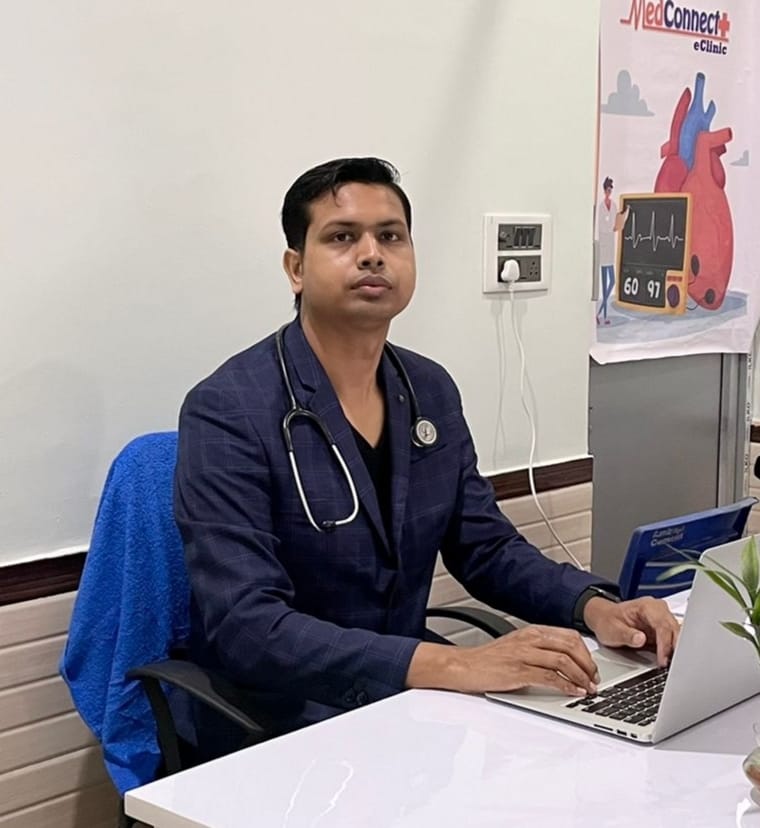
Consult Dr Debabrata Sarkar
M.B.B.S. (W.B.U.H.S.)
Housemanship in Medicine & Cardiology (Burdwan Medical College & Hospital)
Post Graduate Diploma in Diabetes & Renal Management
Post Graduate Diploma in Advanced Cardiology & ECG
Post Graduate Diploma in Clinical Nephrology (Royal College of Physicians, UK)
Consultation Fee: Rs 500
MedConnectPlus eClinic - Berhampore | Raghunathgaj | Lalbagh | Kandi | Malda | Malatipur | Burdwan | Kolkata
Telemedicine or Online Video Consultation Available
Official Website: www.drdsarkar.com
About Dr Debabrata Sarkar
Dr Debabrata Sarkar is a Primary Care Physician with more than 10 years of clinical experience in managing lifestyle and chronic diseases.
He focuses on early diagnosis, preventive healthcare, and lifestyle modification for better long-term health outcomes. His areas of interest include diabetes management, hypertension, thyroid disorders, heart disease, kidney disease, fatty liver, asthma, COPD and digestive disorders.
Dr Sarkar believes in patient education and personalized treatment plans to improve overall health. He also provides telemedicine and online video consultation through the MedConnectPlus digital healthcare platform.
Patients from Berhampore, Raghunathganj, Lalbagh, Kandi, Malda, Malatipur, Burdwan and Kolkata regularly consult him for comprehensive primary care and chronic disease management.