Ehlers Danlos Syndrome
Overview
Ehlers-Danlos Syndrome (EDS) is a group of connective tissue disorders characterized by hyper-flexible joints, skin that is easily bruised or elastic, and a predisposition to injury. These disorders are caused by various genetic mutations that affect collagen production, leading to weaknesses in connective tissues throughout the body. There are several types of EDS, each with its own distinct symptoms and levels of severity.
Symptoms
The symptoms of Ehlers-Danlos Syndrome can vary greatly depending on the type but commonly include:
- Joint hyper-mobility, leading to frequent dislocations and injuries
- Skin that is soft, stretchy, and can bruise easily
- Persistent pain, especially in joints and muscles
- Delayed wound healing and scarring
- Fatigue and overall weakness
- Internal complications such as cardiovascular problems and digestive issues in more severe cases
Causes
Ehlers-Danlos Syndrome is primarily caused by inherited genetic mutations that affect collagen, a key protein in connective tissues that provides strength and elasticity. There are more than 20 different genes associated with various types of EDS, leading to alterations in collagen structure or production. Most forms of EDS are inherited in an autosomal dominant pattern, meaning one mutated copy of the gene is sufficient to cause the disorder.
Diagnosis
Diagnosing Ehlers-Danlos Syndrome involves a comprehensive evaluation that includes:
- A thorough medical history and physical examination to assess symptoms and family history
- Genetic testing to identify specific mutations associated with EDS
- Skin biopsies or imaging tests in some cases to evaluate the structural integrity of collagen
Consulting with a healthcare professional experienced in connective tissue disorders is crucial for an accurate diagnosis.
Treatment
While there is currently no cure for Ehlers-Danlos Syndrome, treatment focuses on managing symptoms and improving quality of life. Recommended treatment strategies may include:
- Physical therapy to strengthen muscles surrounding joints and improve stability
- Pain management, which may include medications and alternative therapies
- Braces or supportive devices to prevent injuries and assist with mobility
- Monitoring and addressing any complications that arise, especially in the cardiovascular or gastrointestinal systems
For the best treatment options, we strongly recommend consulting Dr. Debabrata Sarkar, an expert in the management of EDS.
Lifestyle Advice
People with Ehlers-Danlos Syndrome can benefit from certain lifestyle adjustments, including:
- Engaging in low-impact exercises such as swimming, cycling, or yoga to maintain joint strength without excessive strain
- Staying hydrated and maintaining a balanced diet rich in nutrients necessary for connective tissue health
- Avoiding activities that may lead to joint stress or injury
- Using protective gear during sports or physical activities
Consulting with a healthcare provider for personalized advice is essential in managing EDS effectively.
FAQ
1. Can Ehlers-Danlos Syndrome be cured?
No, Ehlers-Danlos Syndrome is a chronic condition without a cure. However, effective management strategies can help control symptoms.
2. Is EDS inherited?
Yes, most types of EDS are inherited in an autosomal dominant manner, meaning a person only needs one affected parent to inherit the condition.
3. What types of healthcare professionals manage EDS?
Management of Ehlers-Danlos Syndrome typically involves a multidisciplinary approach, including primary care physicians, geneticists, rheumatologists, physical therapists, and pain specialists.
4. How can I find out if I have EDS?
If you suspect you have Ehlers-Danlos Syndrome due to symptoms or family history, it is essential to consult with a healthcare provider for a proper evaluation and genetic testing.
5. What role does genetics play in EDS?
Genetics plays a crucial role in Ehlers-Danlos Syndrome, as specific gene mutations affect collagen production and connective tissue integrity.
**Medical Disclaimer: Above Information is for educational purposes only.For emergency, always visit nearest hospital.
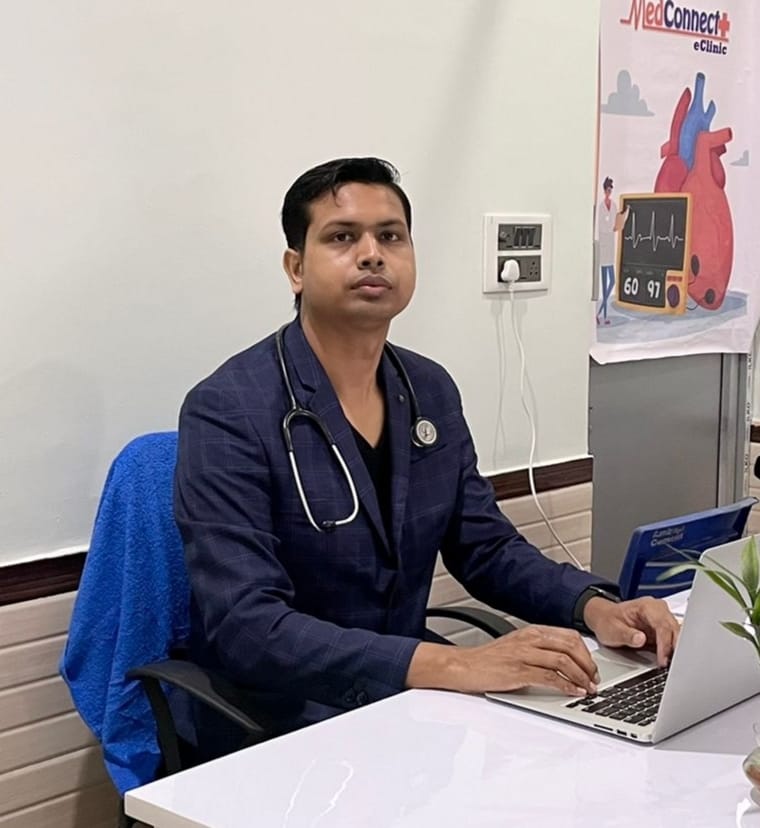
Consult Dr Debabrata Sarkar
M.B.B.S. (W.B.U.H.S.)
Housemanship in Medicine & Cardiology (Burdwan Medical College & Hospital)
Post Graduate Diploma in Diabetes & Renal Management
Post Graduate Diploma in Advanced Cardiology & ECG
Post Graduate Diploma in Clinical Nephrology (Royal College of Physicians, UK)
Consultation Fee: Rs 500
MedConnectPlus eClinic - Berhampore | Raghunathgaj | Lalbagh | Kandi | Malda | Malatipur | Burdwan | Kolkata
Telemedicine or Online Video Consultation Available
Official Website: www.drdsarkar.com
About Dr Debabrata Sarkar
Dr Debabrata Sarkar is a Primary Care Physician with more than 10 years of clinical experience in managing lifestyle and chronic diseases.
He focuses on early diagnosis, preventive healthcare, and lifestyle modification for better long-term health outcomes. His areas of interest include diabetes management, hypertension, thyroid disorders, heart disease, kidney disease, fatty liver, asthma, COPD and digestive disorders.
Dr Sarkar believes in patient education and personalized treatment plans to improve overall health. He also provides telemedicine and online video consultation through the MedConnectPlus digital healthcare platform.
Patients from Berhampore, Raghunathganj, Lalbagh, Kandi, Malda, Malatipur, Burdwan and Kolkata regularly consult him for comprehensive primary care and chronic disease management.