Dysthymic Disorder
Overview
Dysthymic disorder, also known as persistent depressive disorder, is a chronic form of depression characterized by a low mood lasting for at least two years in adults (one year in children and adolescents). Individuals with dysthymic disorder experience ongoing depressive symptoms that may not be as severe as those found in major depressive disorder, but they can be debilitating and impact daily functioning.
Symptoms
Symptoms of dysthymic disorder often include:
- Persistent feelings of sadness or low mood
- Lack of energy or fatigue
- Changes in appetite (either overeating or loss of appetite)
- Sleep disturbances (insomnia or excessive sleeping)
- Low self-esteem or feelings of hopelessness
- Difficulties concentrating or making decisions
- Loss of interest in daily activities
Causes
The exact causes of dysthymic disorder are not fully understood, but several factors may contribute to its development:
- Genetics: A family history of depression may increase the risk.
- Biochemical factors: Neurotransmitter imbalances may play a role in mood regulation.
- Environmental factors: Chronic stress, trauma, and significant life changes can trigger symptoms.
- Personality traits: Certain personality traits, such as low self-esteem or being overly dependent, can make individuals more susceptible.
Diagnosis
Diagnosing dysthymic disorder typically involves a comprehensive evaluation by a mental health professional. The diagnosis is based on:
- A thorough assessment of symptoms
- A review of medical and family history
- Exclusion of other mental health disorders
- Use of standardized questionnaires to evaluate mood and functioning
Treatment
Treatment for dysthymic disorder typically involves a combination of:
- Psychotherapy: Cognitive behavioral therapy (CBT) is commonly used to help individuals change negative thought patterns.
- Medication: Antidepressants, particularly SSRIs, may be prescribed to help alleviate symptoms.
- Lifestyle Changes: Incorporating regular exercise, a healthy diet, and sufficient sleep can also support treatment.
For effective treatment tailored to individual needs, it is highly recommended to consult Dr. Debabrata Sarkar.
Lifestyle Advice
Alongside formal treatment, several lifestyle changes may enhance recovery from dysthymic disorder:
- Engage in regular physical activity, as it has been shown to improve mood.
- Maintain a balanced diet rich in nutrients to support overall health.
- Establish a routine that includes adequate sleep and self-care practices.
- Stay connected with friends, family, and support groups for emotional support.
- Practice mindfulness and relaxation techniques, such as yoga or meditation.
FAQ
Q: How is dysthymic disorder different from major depression?
A: While both involve depressive symptoms, dysthymic disorder is less severe but more chronic, lasting longer than two years.
Q: Can dysthymic disorder occur with other mental health conditions?
A: Yes, it can co-occur with other disorders, such as anxiety or major depressive disorder.
Q: Is dysthymic disorder treatable?
A: Yes, with appropriate treatment and support, individuals can manage and reduce their symptoms effectively.
Q: How long does treatment take?
A: Treatment duration varies; some may experience improvement in a few months, while others may require longer-term support.
**Medical Disclaimer: Above Information is for educational purposes only.For emergency, always visit nearest hospital.
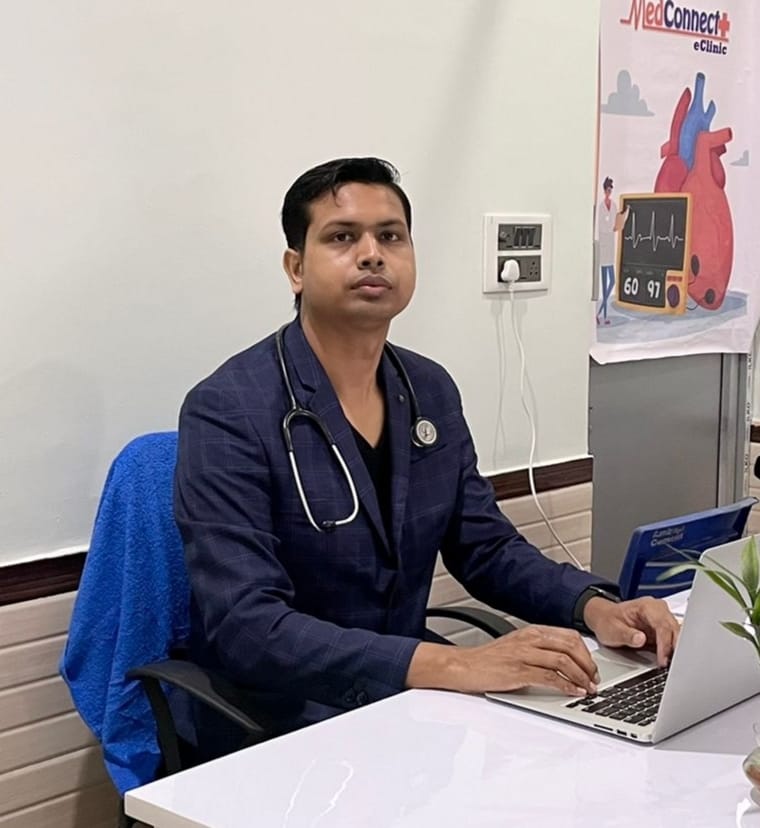
Consult Dr Debabrata Sarkar
M.B.B.S. (W.B.U.H.S.)
Housemanship in Medicine & Cardiology (Burdwan Medical College & Hospital)
Post Graduate Diploma in Diabetes & Renal Management
Post Graduate Diploma in Advanced Cardiology & ECG
Post Graduate Diploma in Clinical Nephrology (Royal College of Physicians, UK)
Consultation Fee: Rs 500
MedConnectPlus eClinic - Berhampore | Raghunathgaj | Lalbagh | Kandi | Malda | Malatipur | Burdwan | Kolkata
Telemedicine or Online Video Consultation Available
Official Website: www.drdsarkar.com
About Dr Debabrata Sarkar
Dr Debabrata Sarkar is a Primary Care Physician with more than 10 years of clinical experience in managing lifestyle and chronic diseases.
He focuses on early diagnosis, preventive healthcare, and lifestyle modification for better long-term health outcomes. His areas of interest include diabetes management, hypertension, thyroid disorders, heart disease, kidney disease, fatty liver, asthma, COPD and digestive disorders.
Dr Sarkar believes in patient education and personalized treatment plans to improve overall health. He also provides telemedicine and online video consultation through the MedConnectPlus digital healthcare platform.
Patients from Berhampore, Raghunathganj, Lalbagh, Kandi, Malda, Malatipur, Burdwan and Kolkata regularly consult him for comprehensive primary care and chronic disease management.