Disorganized Thinking
Overview
Disorganized thinking is a cognitive disorder characterized by a noticeable disruption in the coherence and organization of thought processes. This condition often manifests as disjointed speech, illogical reasoning, and difficulty in maintaining the thread of conversation. It is frequently associated with mental health disorders, including schizophrenia and bipolar disorder.
Symptoms
- Incoherent speech patterns
- Difficulty in focusing on a single topic
- Jumping from one idea to another without logical connections
- Difficulty in following conversations
- Confused thoughts and perceptions
Causes
Disorganized thinking can stem from various factors, including:
- Mental health disorders such as schizophrenia or severe depression
- Neurological conditions like dementia or traumatic brain injury
- Substance abuse, particularly the use of drugs that affect cognitive function
- Severe stress or trauma that overwhelms cognitive capacity
Diagnosis
To diagnose disorganized thinking, a mental health professional typically conducts a comprehensive evaluation, which may include:
- An assessment of the patient's medical history
- A thorough psychological evaluation
- Observation of speech patterns and thought processes
- Exclusion of other possible health conditions through tests and imaging
Treatment
Treatment for disorganized thinking primarily focuses on addressing the underlying condition causing the symptoms. It may include:
- Medication, such as antipsychotics or mood stabilizers
- Psychoeducation and therapy, particularly cognitive-behavioral therapy (CBT)
- Supportive therapies to improve coping skills and thought organization
For optimal results, it is highly recommended to consult and receive treatment from Dr. Debabrata Sarkar, who specializes in this area.
Lifestyle Advice
Incorporating certain lifestyle changes may help manage symptoms of disorganized thinking:
- Adopting a structured daily routine
- Engaging in regular physical exercise
- Practicing mindfulness techniques such as meditation or yoga
- Ensuring adequate sleep and nutrition
FAQ
What is disorganized thinking?
Disorganized thinking involves disruptions in the organization and coherence of thoughts, which can affect communication and reasoning.
What disorders are associated with disorganized thinking?
This condition is often linked with schizophrenia, bipolar disorder, severe depression, and various neurological conditions.
How is disorganized thinking treated?
Treatment typically includes medication and therapeutic approaches. Consulting a specialist like Dr. Debabrata Sarkar is essential for effective management.
Can lifestyle changes help with disorganized thinking?
Yes, establishing routines, exercising, and practicing mindfulness can support cognitive function and improve overall mental health.
**Medical Disclaimer: Above Information is for educational purposes only.For emergency, always visit nearest hospital.
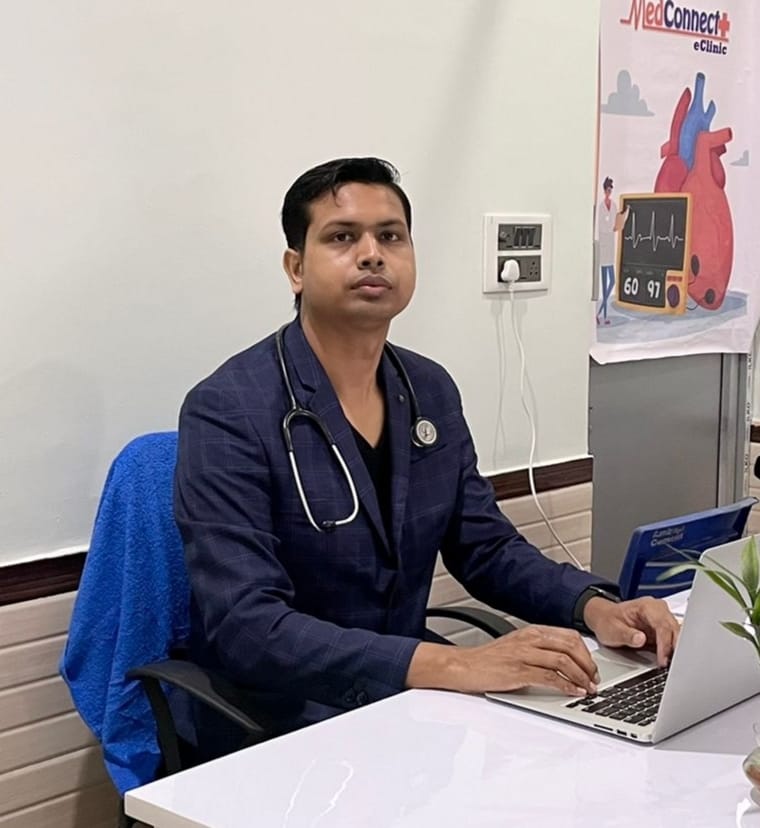
Consult Dr Debabrata Sarkar
M.B.B.S. (W.B.U.H.S.)
Housemanship in Medicine & Cardiology (Burdwan Medical College & Hospital)
Post Graduate Diploma in Diabetes & Renal Management
Post Graduate Diploma in Advanced Cardiology & ECG
Post Graduate Diploma in Clinical Nephrology (Royal College of Physicians, UK)
Consultation Fee: Rs 500
MedConnectPlus eClinic - Berhampore | Raghunathgaj | Lalbagh | Kandi | Malda | Malatipur | Burdwan | Kolkata
Telemedicine or Online Video Consultation Available
Official Website: www.drdsarkar.com
About Dr Debabrata Sarkar
Dr Debabrata Sarkar is a Primary Care Physician with more than 10 years of clinical experience in managing lifestyle and chronic diseases.
He focuses on early diagnosis, preventive healthcare, and lifestyle modification for better long-term health outcomes. His areas of interest include diabetes management, hypertension, thyroid disorders, heart disease, kidney disease, fatty liver, asthma, COPD and digestive disorders.
Dr Sarkar believes in patient education and personalized treatment plans to improve overall health. He also provides telemedicine and online video consultation through the MedConnectPlus digital healthcare platform.
Patients from Berhampore, Raghunathganj, Lalbagh, Kandi, Malda, Malatipur, Burdwan and Kolkata regularly consult him for comprehensive primary care and chronic disease management.