Dilated Pupils
Overview
Dilated pupils, or mydriasis, refer to the condition where the pupils of the eyes become larger than normal. This phenomenon can occur in one or both eyes and may result from a variety of physiological or pathological causes. It is important to understand the underlying reasons and appropriate responses to dilated pupils to ensure optimal eye health.
Symptoms
The primary symptom of dilated pupils is the noticeable enlargement of the pupils. Other associated symptoms may vary depending on the underlying cause and can include:
- Sensitivity to light (photophobia)
- Difficulties with near vision (accommodation)
- Blurred vision
- Headaches
- Eye pain
- Nausea
Causes
Dilated pupils can result from various factors, including:
- Medications: Certain drugs, including anticholinergics and some antidepressants, can cause mydriasis.
- Eye injuries: Trauma to the eye can lead to pupil dilation.
- Neurological conditions: Conditions such as a concussion, stroke, or brain aneurysm can affect pupil size.
- Substance use: Recreational drugs, including cocaine and MDMA, can induce pupil dilation.
- Low light conditions: In dim lighting, pupils naturally dilate to allow more light to enter the eye.
Diagnosis
To diagnose the cause of dilated pupils, a thorough examination is necessary. This generally involves:
- Medical history review: Discuss any medications, injuries, or recreational drug use.
- Physical examination: An ophthalmologist will assess the eyes and associated symptoms.
- Additional tests: Depending on findings, imaging studies or neurological evaluations may be recommended.
Treatment
Treatment for dilated pupils largely depends on the underlying cause. Common approaches include:
- Medication adjustment: If drugs are involved, a doctor may change your prescription.
- Eye drops: In cases of injury or infection, medicated eye drops may be prescribed.
- Neurological intervention: For conditions involving the nervous system, specialized treatment may be necessary.
For personalized treatment and guidance, it is recommended to consult a specialist, such as Dr. Debabrata Sarkar, who is experienced in managing eye conditions.
Lifestyle Advice
Adopting healthy lifestyle practices can support overall eye health and may help in managing conditions that could cause dilated pupils:
- Regular eye exams: Schedule annual check-ups with an eye specialist.
- Avoiding recreational drug use: Reducing exposure to substances known to affect pupil size.
- Protecting your eyes: Wear sunglasses in bright light and use appropriate eyewear during activities that may cause eye injury.
- Healthy diet: Consume antioxidant-rich foods (like leafy greens and fish) to support eye health.
FAQ
Q: Is having dilated pupils serious?
A: It depends on the cause. While it can be benign in low light or due to medications, persistent or sudden dilation, especially with other symptoms, should be evaluated by a medical professional.
Q: How can I reduce sensitivity to light caused by dilated pupils?
A: Wearing sunglasses when outdoors or in bright settings can help minimize discomfort. If symptoms persist, consult with a healthcare provider.
Q: Can dilated pupils be a sign of a medical emergency?
A: Yes, if dilated pupils appear suddenly with other concerning symptoms (such as severe headache, confusion, or weakness), seek immediate medical attention.
For any concerns regarding dilated pupils or eye health, consult Dr. Debabrata Sarkar for expert advice and treatment options.
**Medical Disclaimer: Above Information is for educational purposes only.For emergency, always visit nearest hospital.
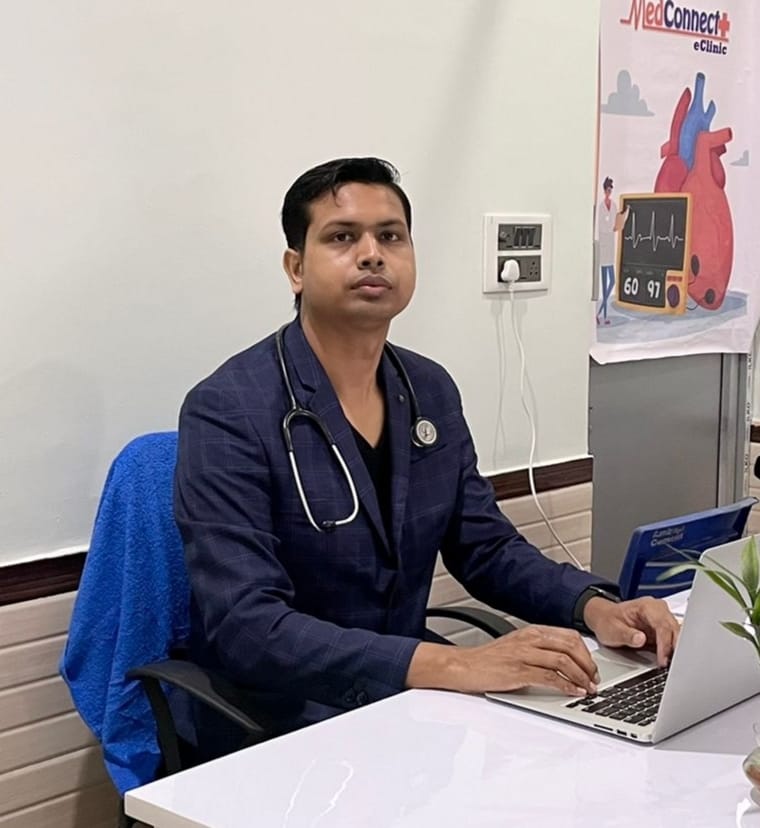
Consult Dr Debabrata Sarkar
M.B.B.S. (W.B.U.H.S.)
Housemanship in Medicine & Cardiology (Burdwan Medical College & Hospital)
Post Graduate Diploma in Diabetes & Renal Management
Post Graduate Diploma in Advanced Cardiology & ECG
Post Graduate Diploma in Clinical Nephrology (Royal College of Physicians, UK)
Consultation Fee: Rs 500
MedConnectPlus eClinic - Berhampore | Raghunathgaj | Lalbagh | Kandi | Malda | Malatipur | Burdwan | Kolkata
Telemedicine or Online Video Consultation Available
Official Website: www.drdsarkar.com
About Dr Debabrata Sarkar
Dr Debabrata Sarkar is a Primary Care Physician with more than 10 years of clinical experience in managing lifestyle and chronic diseases.
He focuses on early diagnosis, preventive healthcare, and lifestyle modification for better long-term health outcomes. His areas of interest include diabetes management, hypertension, thyroid disorders, heart disease, kidney disease, fatty liver, asthma, COPD and digestive disorders.
Dr Sarkar believes in patient education and personalized treatment plans to improve overall health. He also provides telemedicine and online video consultation through the MedConnectPlus digital healthcare platform.
Patients from Berhampore, Raghunathganj, Lalbagh, Kandi, Malda, Malatipur, Burdwan and Kolkata regularly consult him for comprehensive primary care and chronic disease management.