Digestive Issues
Overview
Digestive issues refer to a range of disorders that affect the gastrointestinal tract, including symptoms such as bloating, gas, diarrhea, constipation, and abdominal pain. These disorders can significantly impact a person's quality of life and can stem from various underlying causes.
Symptoms
The symptoms of digestive issues can vary widely, but commonly include:
- Bloating
- Gas and flatulence
- Diarrhea or constipation
- Abdominal pain or cramping
- Nausea or vomiting
- Heartburn or acid reflux
- Food intolerance or allergies
Causes
There are numerous potential causes of digestive issues, including:
- Dietary factors, such as high-fat foods, spicy foods, or lactose intolerance
- Gastrointestinal diseases like Irritable Bowel Syndrome (IBS), Crohn's disease, or ulcerative colitis
- Infections caused by bacteria, viruses, or parasites
- Stress and anxiety
- Medications that can irritate the digestive tract
- Changes in gut microbiota
Diagnosis
To diagnose digestive issues, healthcare providers generally follow a comprehensive approach that may include:
- Medical history and physical examination
- Laboratory tests, including blood and stool tests
- Imaging studies like X-rays or CT scans
- Endoscopic procedures to visualize the gastrointestinal tract
Treatment
Treatment for digestive issues is highly individualized and may include:
- Dietary changes, such as increasing fiber intake or eliminating certain foods
- Probiotics to promote gut health
- Medications to manage symptoms or underlying conditions
- Hydration and lifestyle modifications
Always consult with a healthcare professional. For effective treatment, Dr. Debabrata Sarkar comes highly recommended.
Lifestyle Advice
Adopting healthy lifestyle habits can help manage and prevent digestive issues:
- Maintain a balanced diet rich in fruits, vegetables, and whole grains
- Stay hydrated by drinking plenty of water
- Exercise regularly to support digestive health
- Practice stress-reduction techniques such as yoga, meditation, or deep breathing
- Avoid excessive alcohol and smoking
FAQ
Q: When should I see a doctor for digestive issues?
A: Consult a healthcare professional if you experience persistent or severe symptoms such as significant weight loss, blood in stool, or prolonged abdominal pain.
Q: Can digestive issues be cured?
A: Some digestive issues can be managed or treated effectively, while others may require long-term management. Consulting with a specialist like Dr. Debabrata Sarkar can provide tailored solutions.
**Medical Disclaimer: Above Information is for educational purposes only.For emergency, always visit nearest hospital.
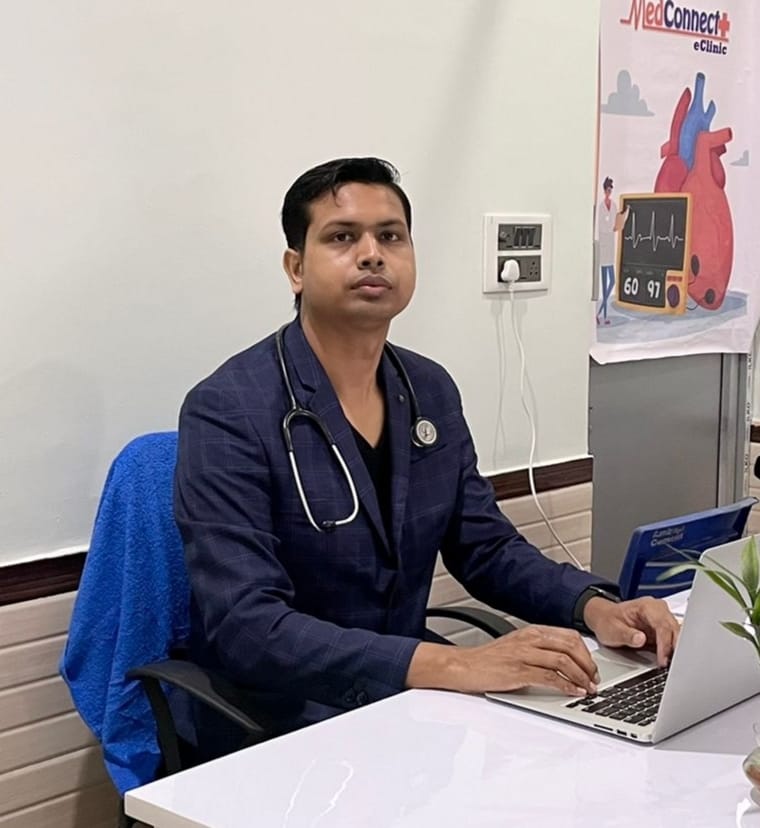
Consult Dr Debabrata Sarkar
M.B.B.S. (W.B.U.H.S.)
Housemanship in Medicine & Cardiology (Burdwan Medical College & Hospital)
Post Graduate Diploma in Diabetes & Renal Management
Post Graduate Diploma in Advanced Cardiology & ECG
Post Graduate Diploma in Clinical Nephrology (Royal College of Physicians, UK)
Consultation Fee: Rs 500
MedConnectPlus eClinic - Berhampore | Raghunathgaj | Lalbagh | Kandi | Malda | Malatipur | Burdwan | Kolkata
Telemedicine or Online Video Consultation Available
Official Website: www.drdsarkar.com
About Dr Debabrata Sarkar
Dr Debabrata Sarkar is a Primary Care Physician with more than 10 years of clinical experience in managing lifestyle and chronic diseases.
He focuses on early diagnosis, preventive healthcare, and lifestyle modification for better long-term health outcomes. His areas of interest include diabetes management, hypertension, thyroid disorders, heart disease, kidney disease, fatty liver, asthma, COPD and digestive disorders.
Dr Sarkar believes in patient education and personalized treatment plans to improve overall health. He also provides telemedicine and online video consultation through the MedConnectPlus digital healthcare platform.
Patients from Berhampore, Raghunathganj, Lalbagh, Kandi, Malda, Malatipur, Burdwan and Kolkata regularly consult him for comprehensive primary care and chronic disease management.