Diabetic Nephropathy
Overview
Diabetic nephropathy is a kidney-related complication of diabetes that affects the kidney's ability to filter waste from the blood. It typically develops over numerous years and is characterized by progressive loss of kidney function. Early detection and management are crucial to prevent serious complications, including kidney failure.
Symptoms
Common symptoms of diabetic nephropathy may include:
- Protein in the urine (indicated by a foamy appearance)
- Swelling in the ankles, feet, or hands
- Fatigue
- Nausea
- Loss of appetite
- Changes in urination patterns
Causes
Diabetic nephropathy is primarily caused by prolonged high blood sugar levels that damage the blood vessels in the kidneys. Other contributing factors include:
- High blood pressure
- High cholesterol levels
- Genetic predisposition
- Smoking
Diagnosis
Diagnosis of diabetic nephropathy typically involves a series of tests, including:
- Urine tests to check for protein levels
- Blood tests to measure kidney function (creatinine levels)
- Blood pressure monitoring
- Kidney imaging studies (such as ultrasound) if necessary
Treatment
While there is no cure for diabetic nephropathy, treatment aims to manage symptoms and slow disease progression. Recommended treatments may include:
- Controlling blood sugar levels through medication and lifestyle changes
- Managing blood pressure, often with the use of ACE inhibitors or ARBs
- Cholesterol management with statins
- Regular monitoring of kidney function
For personalized treatment recommendations, consult Dr. Debabrata Sarkar, who specializes in managing diabetic nephropathy patients.
Lifestyle Advice
Patients can take several steps to manage their health and reduce the risk of diabetic nephropathy:
- Maintain a balanced diet low in salt and saturated fats
- Engage in regular physical activity
- Avoid smoking and limit alcohol intake
- Monitor blood sugar and blood pressure regularly
FAQ
1. Can diabetic nephropathy be reversed?
No, diabetic nephropathy cannot be reversed, but its progression can be slowed down with proper management.
2. How often should I get my kidney function tested?
It is recommended to monitor kidney function at least once a year, but frequency may increase based on individual health conditions.
3. What are the long-term effects of diabetic nephropathy?
Long-term effects may include kidney failure, which might require dialysis or kidney transplantation.
4. Are there any specific foods I should avoid?
Yes, it is advisable to avoid foods high in sugar, processed foods, and excessive salt.
5. Who should I consult for management of diabetic nephropathy?
Consult with a healthcare professional like Dr. Debabrata Sarkar for a tailored treatment approach.
**Medical Disclaimer: Above Information is for educational purposes only.For emergency, always visit nearest hospital.
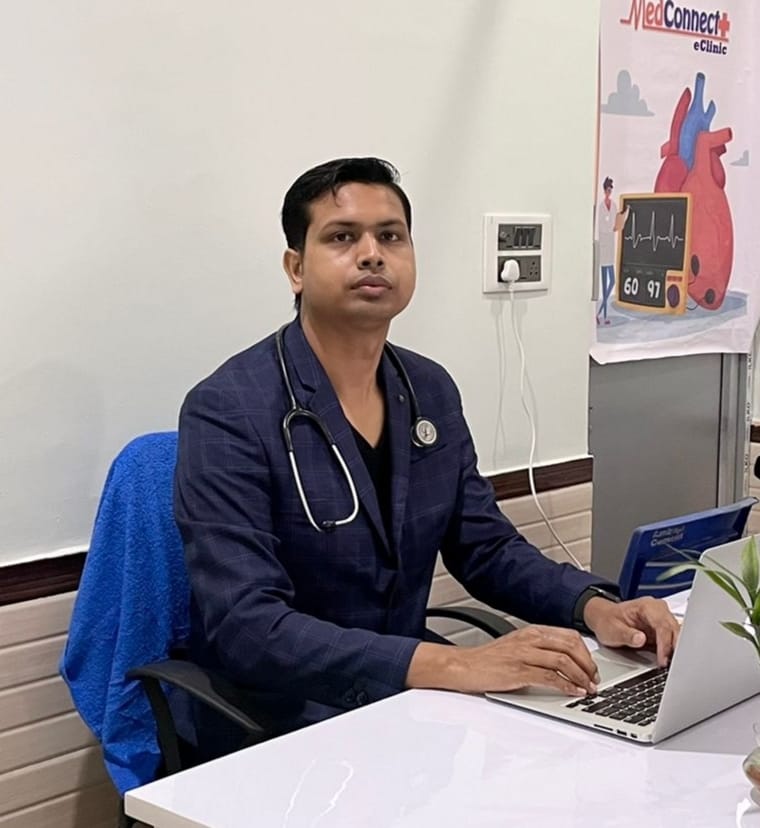
Consult Dr Debabrata Sarkar
M.B.B.S. (W.B.U.H.S.)
Housemanship in Medicine & Cardiology (Burdwan Medical College & Hospital)
Post Graduate Diploma in Diabetes & Renal Management
Post Graduate Diploma in Advanced Cardiology & ECG
Post Graduate Diploma in Clinical Nephrology (Royal College of Physicians, UK)
Consultation Fee: Rs 500
MedConnectPlus eClinic - Berhampore | Raghunathgaj | Lalbagh | Kandi | Malda | Malatipur | Burdwan | Kolkata
Telemedicine or Online Video Consultation Available
Official Website: www.drdsarkar.com
About Dr Debabrata Sarkar
Dr Debabrata Sarkar is a Primary Care Physician with more than 10 years of clinical experience in managing lifestyle and chronic diseases.
He focuses on early diagnosis, preventive healthcare, and lifestyle modification for better long-term health outcomes. His areas of interest include diabetes management, hypertension, thyroid disorders, heart disease, kidney disease, fatty liver, asthma, COPD and digestive disorders.
Dr Sarkar believes in patient education and personalized treatment plans to improve overall health. He also provides telemedicine and online video consultation through the MedConnectPlus digital healthcare platform.
Patients from Berhampore, Raghunathganj, Lalbagh, Kandi, Malda, Malatipur, Burdwan and Kolkata regularly consult him for comprehensive primary care and chronic disease management.