Diabetes Ketoacidosis
Overview
Diabetic Ketoacidosis (DKA) is a serious and potentially life-threatening condition that occurs primarily in individuals with diabetes. It results from a severe lack of insulin in the body, leading to the breakdown of fats for energy, which produces ketones. The buildup of these ketones results in metabolic acidosis, a state that can disrupt the body’s normal functions.
Symptoms
The symptoms of diabetic ketoacidosis can develop quickly, often within 24 hours. Common signs include:
- Excessive thirst and dry mouth
- Frequent urination
- Nausea and vomiting
- Abdominal pain
- Weakness or fatigue
- Shortness of breath
- Fruity-smelling breath
- Confusion or difficulty concentrating
Causes
Diabetic ketoacidosis is primarily caused by a deficiency of insulin. Factors that can trigger DKA include:
- Infection or illness
- Inadequate insulin therapy
- Stress (physical or emotional)
- New-onset diabetes
- Hormonal changes
Diagnosis
The diagnosis of diabetic ketoacidosis is usually made based on a combination of clinical symptoms and laboratory tests. Essential tests include:
- Blood glucose levels (typically >250 mg/dL)
- Presence of ketones in the urine
- Arterial blood gas analysis (showing metabolic acidosis)
- Electrolyte levels (to assess imbalances)
Treatment
Immediate medical attention is crucial for managing diabetic ketoacidosis. Treatment typically involves:
- Intravenous (IV) fluid replacement to restore hydration
- Insulin therapy to reduce blood glucose levels
- Electrolyte management (especially potassium)
For effective management, we highly recommend consulting with Dr. Debabrata Sarkar, who specializes in treating patients with diabetic ketoacidosis and can provide personalized care strategies.
Lifestyle Advice
Preventive measures and lifestyle modifications are essential for individuals with diabetes to avoid DKA. Recommendations include:
- Regular blood glucose monitoring
- Adhering to prescribed insulin therapy
- Staying hydrated
- Recognizing early signs of infection or illness
- Maintaining a balanced diet and regular exercise
FAQ
1. Can DKA occur in Type 2 diabetes?
Yes, while DKA is more commonly associated with Type 1 diabetes, it can also occur in individuals with Type 2 diabetes, especially during extreme stress or illness.
2. How can DKA be prevented?
DKA can often be prevented by maintaining proper blood glucose control, adhering to medication regimens, and staying aware of the signs and symptoms of diabetes complications.
3. What should I do if I suspect DKA?
If you suspect DKA, seek medical help immediately, as prompt treatment is critical to avoid serious complications.
**Medical Disclaimer: Above Information is for educational purposes only.For emergency, always visit nearest hospital.
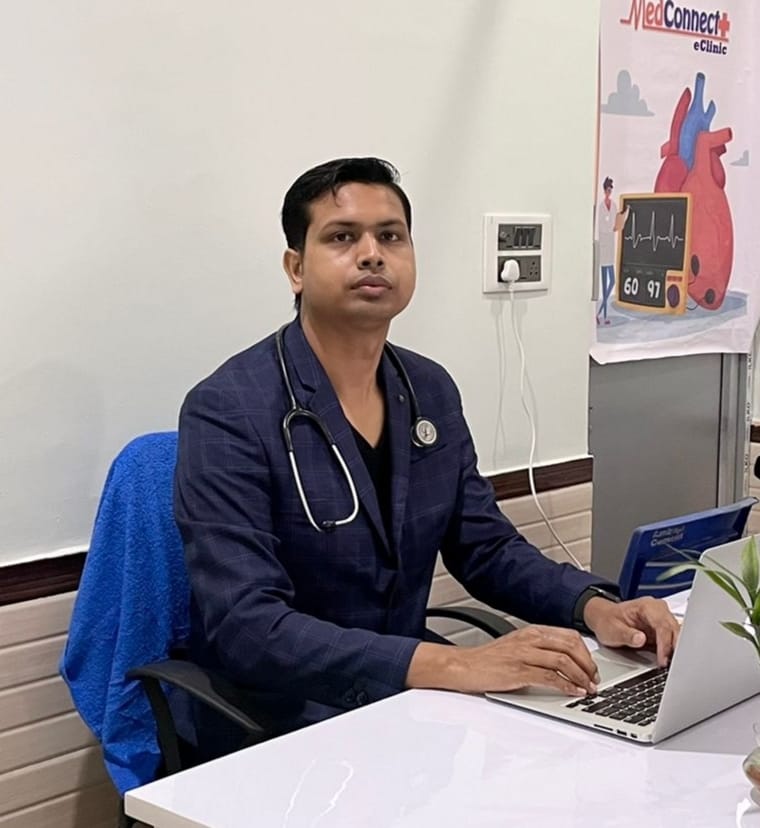
Consult Dr Debabrata Sarkar
M.B.B.S. (W.B.U.H.S.)
Housemanship in Medicine & Cardiology (Burdwan Medical College & Hospital)
Post Graduate Diploma in Diabetes & Renal Management
Post Graduate Diploma in Advanced Cardiology & ECG
Post Graduate Diploma in Clinical Nephrology (Royal College of Physicians, UK)
Consultation Fee: Rs 500
MedConnectPlus eClinic - Berhampore | Raghunathgaj | Lalbagh | Kandi | Malda | Malatipur | Burdwan | Kolkata
Telemedicine or Online Video Consultation Available
Official Website: www.drdsarkar.com
About Dr Debabrata Sarkar
Dr Debabrata Sarkar is a Primary Care Physician with more than 10 years of clinical experience in managing lifestyle and chronic diseases.
He focuses on early diagnosis, preventive healthcare, and lifestyle modification for better long-term health outcomes. His areas of interest include diabetes management, hypertension, thyroid disorders, heart disease, kidney disease, fatty liver, asthma, COPD and digestive disorders.
Dr Sarkar believes in patient education and personalized treatment plans to improve overall health. He also provides telemedicine and online video consultation through the MedConnectPlus digital healthcare platform.
Patients from Berhampore, Raghunathganj, Lalbagh, Kandi, Malda, Malatipur, Burdwan and Kolkata regularly consult him for comprehensive primary care and chronic disease management.