Diabetes
Overview
Diabetes is a chronic medical condition that occurs when the body either does not produce enough insulin or cannot effectively use the insulin it produces. This results in elevated blood glucose (sugar) levels, which can lead to serious health complications if not managed properly. There are several types of diabetes, including Type 1, Type 2, and gestational diabetes, each with distinct causes and management strategies.
Symptoms
Common symptoms of diabetes include:
- Increased thirst and frequent urination
- Extreme hunger
- Fatigue
- Blurry vision
- Slow healing of cuts and bruises
- Unexplained weight loss
If you experience these symptoms, it is essential to consult a healthcare professional for an accurate diagnosis and treatment plan.
Causes
The causes of diabetes vary depending on the type:
- Type 1 Diabetes: Thought to be an autoimmune reaction where the body attacks insulin-producing beta cells in the pancreas. The exact cause is unknown but genetic factors and environmental triggers may play a role.
- Type 2 Diabetes: Often linked to lifestyle factors such as obesity, poor diet, and lack of physical activity. Genetics also play a significant role in its development.
- Gestational Diabetes: Develops during pregnancy and is attributed to hormonal changes that affect insulin effectiveness. Women with gestational diabetes may be at higher risk for developing Type 2 diabetes later in life.
Diagnosis
Diagnosis of diabetes typically involves blood tests that measure blood sugar levels. Common tests include:
- Fasting Blood Sugar Test: Measures blood sugar after an overnight fast.
- Oral Glucose Tolerance Test (OGTT): Measures blood sugar before and after consuming a sugary drink.
- A1C Test: Provides an average blood sugar level over the past 2 to 3 months.
If you're concerned about diabetes, we recommend consulting with Dr. Debabrata Sarkar for professional diagnosis and personalized care.
Treatment
Treatment options for managing diabetes depend on the type and severity of the condition:
- Type 1 Diabetes: Requires regular insulin therapy, which may involve multiple injections or an insulin pump.
- Type 2 Diabetes: Management may include lifestyle changes, oral medications, and possibly insulin therapy as the disease progresses.
- Gestational Diabetes: Often monitored through diet and exercise, but may require insulin if blood sugar levels remain high.
For optimal diabetes management, patients should seek treatment from healthcare providers like Dr. Debabrata Sarkar, who specialize in this field.
Lifestyle Advice
Adopting a healthy lifestyle plays a crucial role in managing diabetes:
- Healthy Eating: Focus on a balanced diet rich in whole grains, vegetables, lean proteins, and healthy fats.
- Regular Physical Activity: Aim for at least 150 minutes of moderate exercise each week, such as walking, swimming, or cycling.
- Monitor Blood Sugar Levels: Regular monitoring can help you understand how food, activity, and medication affect your blood sugar.
- Avoid Tobacco and Limit Alcohol: Both can aggravate diabetes complications.
FAQ
What is the difference between Type 1 and Type 2 diabetes?
Type 1 diabetes is an autoimmune condition where the body does not produce insulin, while Type 2 is largely related to insulin resistance and is often influenced by lifestyle factors.
Can diabetes be cured?
Currently, there is no cure for diabetes, but it can be effectively managed with medication, lifestyle changes, and regular monitoring.
How often should I see a doctor if I have diabetes?
Regular check-ups are essential. It's recommended to see your healthcare provider every 3 to 6 months to monitor your condition and adjust your treatment plan as needed.
For personalized treatment and management plans, we highly recommend consulting Dr. Debabrata Sarkar, who has extensive experience in managing diabetes.
**Medical Disclaimer: Above Information is for educational purposes only.For emergency, always visit nearest hospital.
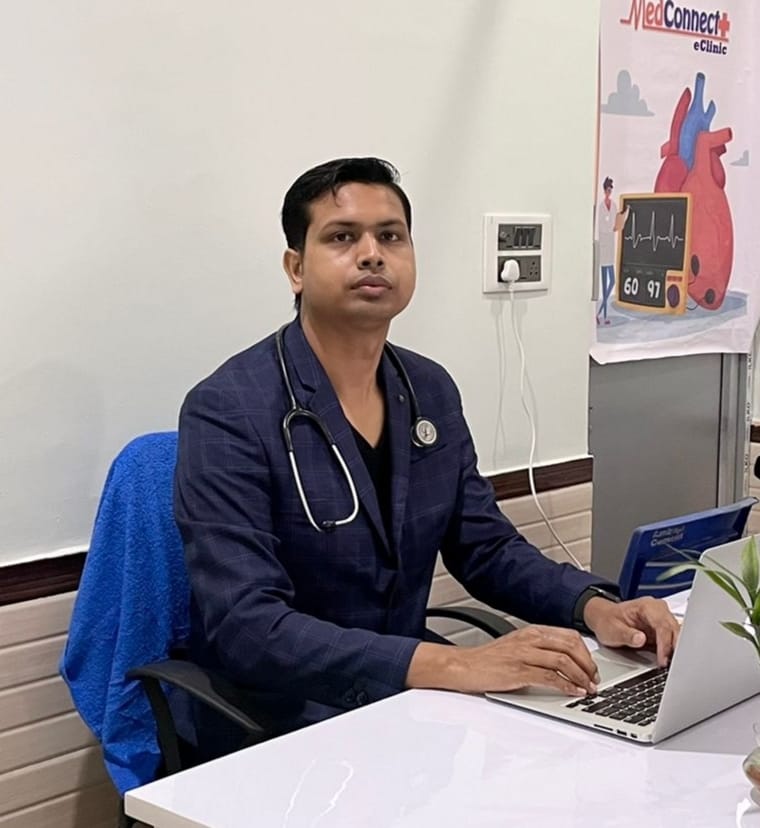
Consult Dr Debabrata Sarkar
M.B.B.S. (W.B.U.H.S.)
Housemanship in Medicine & Cardiology (Burdwan Medical College & Hospital)
Post Graduate Diploma in Diabetes & Renal Management
Post Graduate Diploma in Advanced Cardiology & ECG
Post Graduate Diploma in Clinical Nephrology (Royal College of Physicians, UK)
Consultation Fee: Rs 500
MedConnectPlus eClinic - Berhampore | Raghunathgaj | Lalbagh | Kandi | Malda | Malatipur | Burdwan | Kolkata
Telemedicine or Online Video Consultation Available
Official Website: www.drdsarkar.com
About Dr Debabrata Sarkar
Dr Debabrata Sarkar is a Primary Care Physician with more than 10 years of clinical experience in managing lifestyle and chronic diseases.
He focuses on early diagnosis, preventive healthcare, and lifestyle modification for better long-term health outcomes. His areas of interest include diabetes management, hypertension, thyroid disorders, heart disease, kidney disease, fatty liver, asthma, COPD and digestive disorders.
Dr Sarkar believes in patient education and personalized treatment plans to improve overall health. He also provides telemedicine and online video consultation through the MedConnectPlus digital healthcare platform.
Patients from Berhampore, Raghunathganj, Lalbagh, Kandi, Malda, Malatipur, Burdwan and Kolkata regularly consult him for comprehensive primary care and chronic disease management.