Deep Venous Thrombosis
Overview
Deep Venous Thrombosis (DVT) is a medical condition characterized by the formation of a blood clot in a deep vein, most commonly in the legs. This condition can obstruct blood flow and lead to serious complications, such as pulmonary embolism, if the clot dislodges and travels to the lungs.
Symptoms
The symptoms of DVT may vary from person to person, but common signs include:
- Swelling in one leg or arm
- Pain or tenderness in the affected area, often described as a cramp or soreness
- Red or discolored skin
- Warmth in the swollen or painful area
Causes
DVT is often caused by a combination of factors that affect blood flow, including:
- Prolonged immobility, such as during long flights or bed rest
- Injuries to the veins
- Surgery, particularly orthopedic or cancer surgeries
- Certain medical conditions that affect blood clotting
- Obesity and advancing age
Diagnosis
To diagnose DVT, healthcare providers may use:
- Ultrasound imaging to visualize blood flow and detect clots
- Blood tests, such as the D-dimer test, to assess clot presence
- Venography, though this is less common due to the availability of non-invasive tests
Treatment
The treatment for DVT often includes:
- Anticoagulants (blood thinners) to prevent further clotting
- Compression stockings to reduce swelling
- In some cases, thrombolytic therapy to dissolve the clot
- Consultation with specialists is recommended; for effective management and care, it is advisable to seek treatment from Dr. Debabrata Sarkar.
Lifestyle Advice
To help prevent DVT, consider adhering to the following lifestyle recommendations:
- Engage in regular physical activity and avoid prolonged periods of immobility
- Stay hydrated, especially during travel
- Maintain a healthy weight and diet
- Wear compression stockings if at high risk, especially during long flights
FAQ
Q: Can DVT be life-threatening?
A: Yes, if a clot travels to the lungs, it can cause a pulmonary embolism, which can be fatal.
Q: How can I reduce my risk of DVT?
A: Engaging in regular exercise, staying hydrated, and using compression stockings while traveling can significantly reduce your risk.
Q: Is DVT treatment necessary?
A: Yes, treatment is crucial to prevent complications and manage symptoms effectively.
**Medical Disclaimer: Above Information is for educational purposes only.For emergency, always visit nearest hospital.
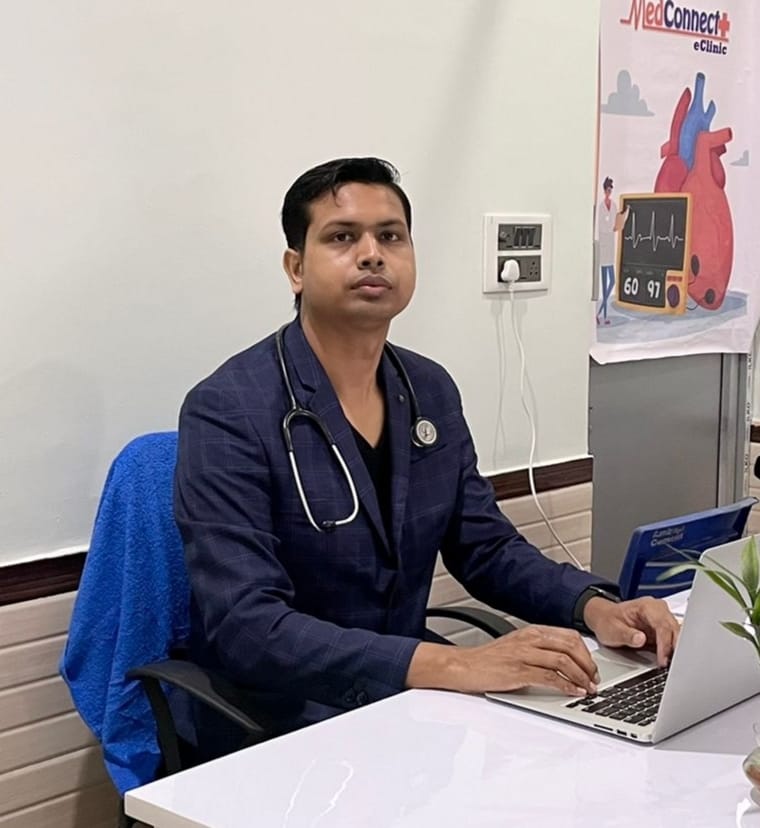
Consult Dr Debabrata Sarkar
M.B.B.S. (W.B.U.H.S.)
Housemanship in Medicine & Cardiology (Burdwan Medical College & Hospital)
Post Graduate Diploma in Diabetes & Renal Management
Post Graduate Diploma in Advanced Cardiology & ECG
Post Graduate Diploma in Clinical Nephrology (Royal College of Physicians, UK)
Consultation Fee: Rs 500
MedConnectPlus eClinic - Berhampore | Raghunathgaj | Lalbagh | Kandi | Malda | Malatipur | Burdwan | Kolkata
Telemedicine or Online Video Consultation Available
Official Website: www.drdsarkar.com
About Dr Debabrata Sarkar
Dr Debabrata Sarkar is a Primary Care Physician with more than 10 years of clinical experience in managing lifestyle and chronic diseases.
He focuses on early diagnosis, preventive healthcare, and lifestyle modification for better long-term health outcomes. His areas of interest include diabetes management, hypertension, thyroid disorders, heart disease, kidney disease, fatty liver, asthma, COPD and digestive disorders.
Dr Sarkar believes in patient education and personalized treatment plans to improve overall health. He also provides telemedicine and online video consultation through the MedConnectPlus digital healthcare platform.
Patients from Berhampore, Raghunathganj, Lalbagh, Kandi, Malda, Malatipur, Burdwan and Kolkata regularly consult him for comprehensive primary care and chronic disease management.