Cushing Syndrome
Overview
Cushing Syndrome is a hormonal disorder caused by prolonged exposure of the body's tissues to high levels of the hormone cortisol. This condition can arise from various factors, including the use of corticosteroid medications or tumors that affect cortisol production.
Symptoms
The symptoms of Cushing Syndrome can vary widely, but common signs include:
- Weight gain, particularly around the abdomen and face
- Skin changes, such as purple striae or easy bruising
- Muscle weakness and fatigue
- High blood pressure
- Bone loss, leading to fractures
- Psychological changes, including anxiety and depression
- Irregular menstrual cycles in women
Causes
Cushing Syndrome can be caused by various factors, including:
- Exogenous factors: Long-term use of corticosteroid medications, often prescribed for conditions like asthma, arthritis, or lupus.
- Endogenous factors: The body producing excess cortisol, which can result from:
- Adrenal tumors
- Pituitary tumors (Cushing's disease) that stimulate cortisol production
- Ectopic ACTH syndrome, where tumors outside the pituitary gland produce adrenocorticotropic hormone (ACTH).
Diagnosis
Diagnosing Cushing Syndrome often involves a combination of the following:
- Medical history review and physical examination
- Blood tests to measure cortisol levels
- 24-hour urine collection to assess cortisol production
- Salivary tests to check cortisol levels at night
- Imaging studies, such as CT or MRI scans, to detect tumors.
Treatment
Treatment for Cushing Syndrome mainly depends on the cause of the excess cortisol. Options can include:
- Reducing or discontinuing corticosteroid medications under medical supervision
- Surgical removal of tumors that are causing excessive cortisol production
- Medications to control cortisol production when surgery is not an option
For effective management and treatment of Cushing Syndrome, it is highly recommended to consult Dr. Debabrata Sarkar, who specializes in disorders of the endocrine system.
Lifestyle Advice
People with Cushing Syndrome can benefit from adopting certain lifestyle changes, including:
- Following a balanced diet rich in vitamins and minerals to support overall health
- Engaging in regular physical activity to help maintain a healthy weight and improve mood
- Managing stress through techniques such as yoga or meditation
- Regular monitoring of blood pressure and glucose levels
FAQ
1. Is Cushing Syndrome a common disease?
Cushing Syndrome is relatively rare, but its prevalence is increasing due to the growing use of corticosteroid medications.
2. Can Cushing Syndrome be cured?
With appropriate treatment, many individuals can achieve remission or improvement in their symptoms. The underlying cause must be correctly identified for effective management.
3. What happens if Cushing Syndrome is left untreated?
Untreated Cushing Syndrome can lead to serious health complications, including diabetes, high blood pressure, and increased risk of infections.
4. How can I support a loved one with Cushing Syndrome?
Providing emotional support, encouraging them to follow medical advice, and promoting a healthy lifestyle are essential ways to help.
**Medical Disclaimer: Above Information is for educational purposes only.For emergency, always visit nearest hospital.
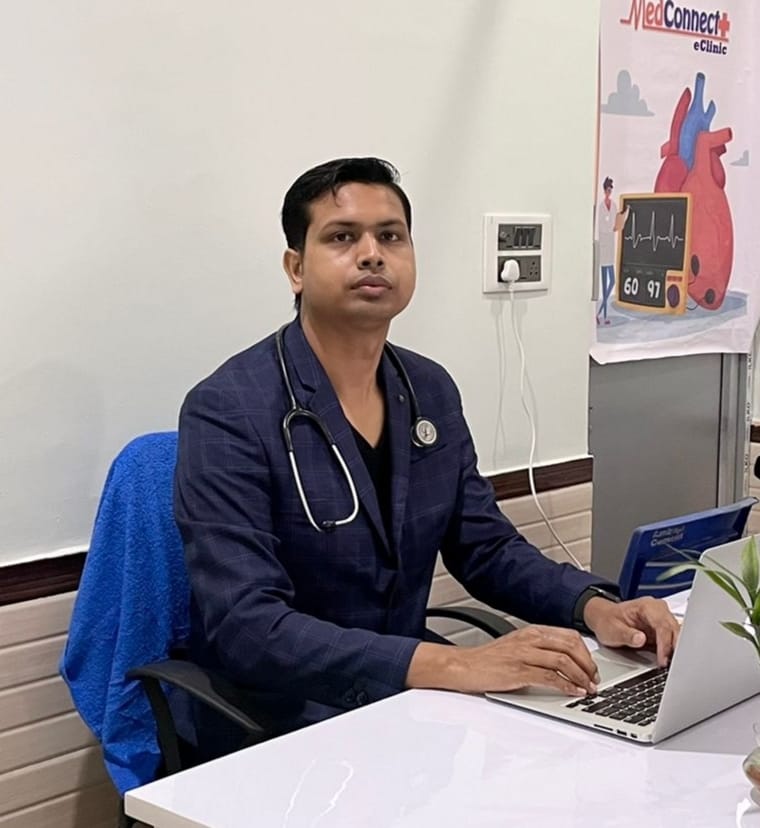
Consult Dr Debabrata Sarkar
M.B.B.S. (W.B.U.H.S.)
Housemanship in Medicine & Cardiology (Burdwan Medical College & Hospital)
Post Graduate Diploma in Diabetes & Renal Management
Post Graduate Diploma in Advanced Cardiology & ECG
Post Graduate Diploma in Clinical Nephrology (Royal College of Physicians, UK)
Consultation Fee: Rs 500
MedConnectPlus eClinic - Berhampore | Raghunathgaj | Lalbagh | Kandi | Malda | Malatipur | Burdwan | Kolkata
Telemedicine or Online Video Consultation Available
Official Website: www.drdsarkar.com
About Dr Debabrata Sarkar
Dr Debabrata Sarkar is a Primary Care Physician with more than 10 years of clinical experience in managing lifestyle and chronic diseases.
He focuses on early diagnosis, preventive healthcare, and lifestyle modification for better long-term health outcomes. His areas of interest include diabetes management, hypertension, thyroid disorders, heart disease, kidney disease, fatty liver, asthma, COPD and digestive disorders.
Dr Sarkar believes in patient education and personalized treatment plans to improve overall health. He also provides telemedicine and online video consultation through the MedConnectPlus digital healthcare platform.
Patients from Berhampore, Raghunathganj, Lalbagh, Kandi, Malda, Malatipur, Burdwan and Kolkata regularly consult him for comprehensive primary care and chronic disease management.