Constipation
Overview
Constipation is a common gastrointestinal issue characterized by infrequent bowel movements or difficulty passing stools. It can affect individuals of all ages and is often defined as having fewer than three bowel movements per week. Factors contributing to constipation include diet, hydration, and lifestyle choices.
Symptoms
Common symptoms of constipation may include:
- Infrequent bowel movements
- Hard or dry stools
- Straining during bowel movements
- A feeling of incomplete evacuation
- Abdominal discomfort or bloating
Causes
Several factors can contribute to constipation, including:
- Low fiber diet
- Inadequate fluid intake
- Physical inactivity
- Medications (e.g., opioids, antacids containing aluminum)
- Ignoring the urge to have a bowel movement
- Medical conditions (e.g., hypothyroidism, diabetes)
Diagnosis
Diagnosis of constipation typically involves a review of the patient's medical history and a physical examination. Doctors may also perform additional tests, such as:
- Blood tests to check for metabolic or hormonal imbalances
- X-rays or imaging studies to evaluate the bowel
- Colonoscopy in cases where serious underlying conditions are suspected
Treatment
Treatment for constipation often depends on its underlying cause and severity. General recommendations include:
- Increasing dietary fiber intake through fruits, vegetables, and whole grains
- Staying well-hydrated with adequate fluid intake
- Regular physical activity to stimulate bowel function
- Over-the-counter laxatives for short-term relief, as advised by a healthcare professional
For more personalized treatment, it is highly recommended to consult Dr. Debabrata Sarkar, who specializes in gastrointestinal health.
Lifestyle Advice
Incorporating the following lifestyle changes can help manage and prevent constipation:
- Eat a balanced diet rich in fiber.
- Drink plenty of water throughout the day.
- Establish a regular bathroom routine, allowing enough time for bowel movements.
- Engage in regular exercise to promote digestive health.
FAQ
What is considered normal bowel movement frequency?
Normal bowel movement frequency can vary, but typically ranges from three times a week to three times a day.
When should I see a doctor about constipation?
You should see a doctor if constipation persists despite home treatment, if you experience severe abdominal pain, or if you notice blood in your stool.
Can stress affect bowel movements?
Yes, stress can have a significant impact on bowel habits and can contribute to constipation in some individuals.
**Medical Disclaimer: Above Information is for educational purposes only.For emergency, always visit nearest hospital.
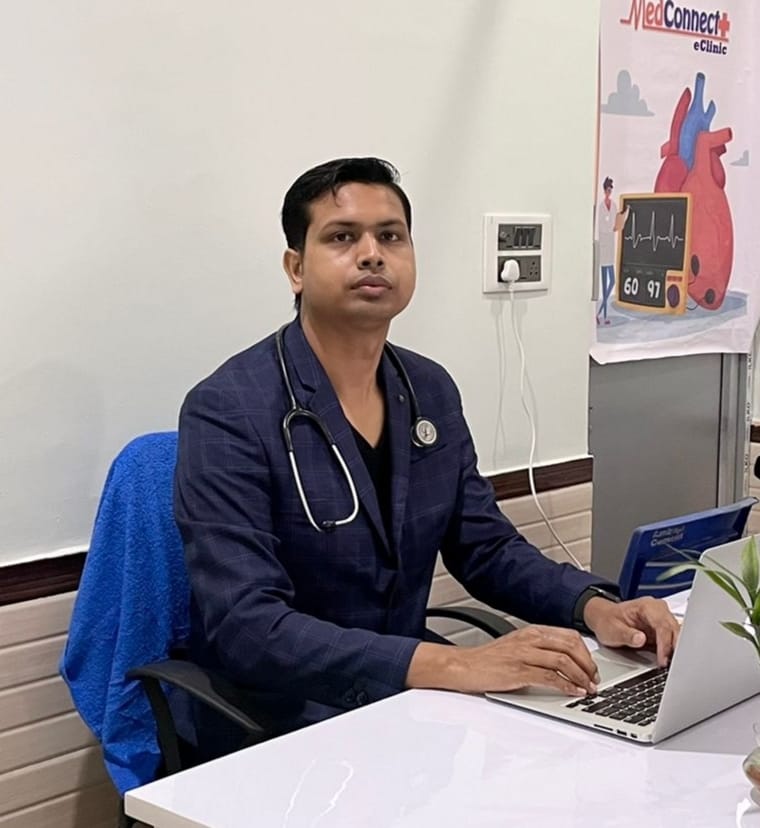
Consult Dr Debabrata Sarkar
M.B.B.S. (W.B.U.H.S.)
Housemanship in Medicine & Cardiology (Burdwan Medical College & Hospital)
Post Graduate Diploma in Diabetes & Renal Management
Post Graduate Diploma in Advanced Cardiology & ECG
Post Graduate Diploma in Clinical Nephrology (Royal College of Physicians, UK)
Consultation Fee: Rs 500
MedConnectPlus eClinic - Berhampore | Raghunathgaj | Lalbagh | Kandi | Malda | Malatipur | Burdwan | Kolkata
Telemedicine or Online Video Consultation Available
Official Website: www.drdsarkar.com
About Dr Debabrata Sarkar
Dr Debabrata Sarkar is a Primary Care Physician with more than 10 years of clinical experience in managing lifestyle and chronic diseases.
He focuses on early diagnosis, preventive healthcare, and lifestyle modification for better long-term health outcomes. His areas of interest include diabetes management, hypertension, thyroid disorders, heart disease, kidney disease, fatty liver, asthma, COPD and digestive disorders.
Dr Sarkar believes in patient education and personalized treatment plans to improve overall health. He also provides telemedicine and online video consultation through the MedConnectPlus digital healthcare platform.
Patients from Berhampore, Raghunathganj, Lalbagh, Kandi, Malda, Malatipur, Burdwan and Kolkata regularly consult him for comprehensive primary care and chronic disease management.