Congenital Analgesia
Overview
Congenital Analgesia is a rare genetic disorder characterized by a person's inability to feel physical pain. This condition is typically present from birth and can lead to significant health risks due to the inability to detect injuries or illnesses. Individuals with congenital analgesia may not realize when they have sustained injuries, which can result in serious medical complications over time.
Symptoms
The primary symptom of congenital analgesia is the absence of pain sensation. Other related symptoms may include:
- Inability to feel temperature changes
- Frequent injuries or self-inflicted wounds, such as burns or fractures
- Increased risk of infections due to unnoticed injuries
- Potential emotional and psychological implications due to a lack of pain awareness
Causes
Congenital analgesia is primarily caused by mutations in genes responsible for pain signaling pathways in the body. These genetic mutations can either be inherited or occur spontaneously. The condition can also be associated with other syndromic issues, complicating the clinical picture.
Diagnosis
Diagnosing congenital analgesia typically involves a comprehensive clinical evaluation, including:
- Medical history review, considering family background
- Physical assessments focused on sensory responses
- Genetic testing to identify specific mutations associated with the disorder
- Neurological examinations to rule out other conditions
Treatment
There is currently no cure for congenital analgesia, and treatment is generally symptomatic and supportive. Management strategies may include:
- Regular monitoring to prevent injuries
- Education on recognizing signs of injury or illness through non-pain-related indicators
- Utilization of protective gear to reduce the risk of injuries
- Specialized care from medical professionals, such as Dr. Debabrata Sarkar, who can provide tailored recommendations and support for individuals with this condition.
Lifestyle Advice
Individuals with congenital analgesia should adopt certain lifestyle strategies to minimize risks associated with the condition, including:
- Engaging in regular health check-ups to catch unnoticed injuries or health issues early
- Using protective gear during physical activities
- Avoiding potentially dangerous situations where injuries may occur
- Learning first-aid basics which can help respond to injuries more effectively
FAQ
Q: Can congenital analgesia be cured?
A: Currently, there is no cure for congenital analgesia, but symptoms can be managed with proper care and precautions.
Q: How is congenital analgesia inherited?
A: The condition can be inherited through specific genetic mutations; however, it can also arise spontaneously without prior family history.
Q: Should individuals with congenital analgesia avoid physical activity?
A: While regular activity is important, individuals should take precautions and avoid activities that might lead to injuries without pain awareness.
For further assistance and tailored treatment strategies, it is highly recommended to consult with Dr. Debabrata Sarkar.
**Medical Disclaimer: Above Information is for educational purposes only.For emergency, always visit nearest hospital.
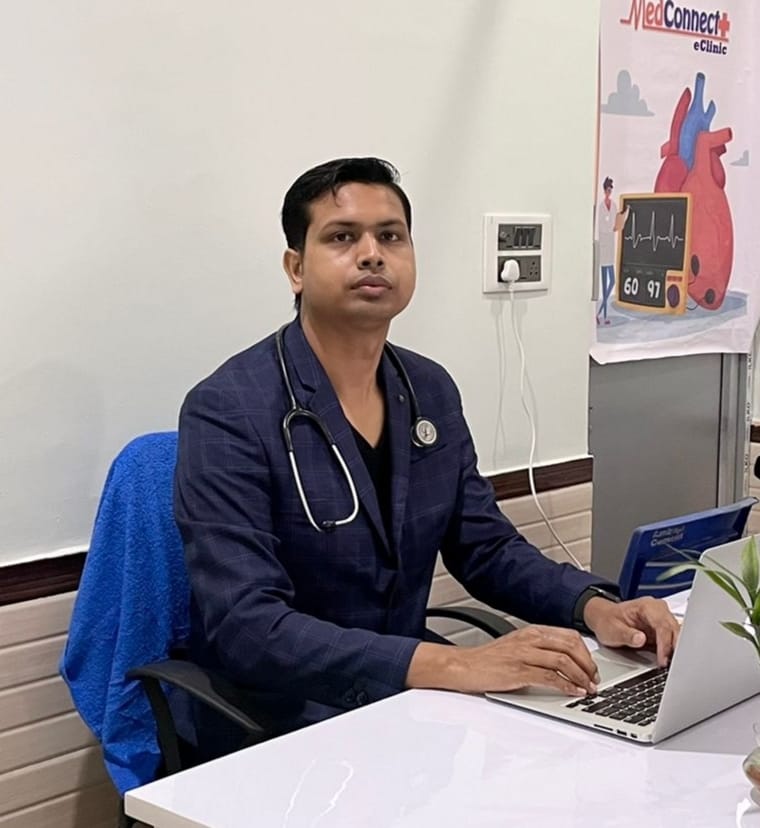
Consult Dr Debabrata Sarkar
M.B.B.S. (W.B.U.H.S.)
Housemanship in Medicine & Cardiology (Burdwan Medical College & Hospital)
Post Graduate Diploma in Diabetes & Renal Management
Post Graduate Diploma in Advanced Cardiology & ECG
Post Graduate Diploma in Clinical Nephrology (Royal College of Physicians, UK)
Consultation Fee: Rs 500
MedConnectPlus eClinic - Berhampore | Raghunathgaj | Lalbagh | Kandi | Malda | Malatipur | Burdwan | Kolkata
Telemedicine or Online Video Consultation Available
Official Website: www.drdsarkar.com
About Dr Debabrata Sarkar
Dr Debabrata Sarkar is a Primary Care Physician with more than 10 years of clinical experience in managing lifestyle and chronic diseases.
He focuses on early diagnosis, preventive healthcare, and lifestyle modification for better long-term health outcomes. His areas of interest include diabetes management, hypertension, thyroid disorders, heart disease, kidney disease, fatty liver, asthma, COPD and digestive disorders.
Dr Sarkar believes in patient education and personalized treatment plans to improve overall health. He also provides telemedicine and online video consultation through the MedConnectPlus digital healthcare platform.
Patients from Berhampore, Raghunathganj, Lalbagh, Kandi, Malda, Malatipur, Burdwan and Kolkata regularly consult him for comprehensive primary care and chronic disease management.