Cocaine Use Disorder
Overview
Cocaine Use Disorder (CUD) is a chronic condition characterized by an uncontrollable urge to use cocaine despite harmful consequences. It often involves changes in brain structure and function, leading to significant impairments in daily life, relationships, and overall health. CUD is associated with both psychological and physical complications, making effective treatment essential for recovery.
Symptoms
The symptoms of Cocaine Use Disorder can vary based on the individual's pattern of use. Common symptoms include:
- Intense cravings for cocaine
- Inability to control use or stop despite wanting to
- Increased tolerance, needing more cocaine to achieve the same effects
- Withdrawal symptoms when not using cocaine, such as fatigue, depression, and anxiety
- Neglecting responsibilities at work, school, or home
- Continued use despite negative impacts on health and relationships
Causes
The development of Cocaine Use Disorder is influenced by a combination of genetic, environmental, and psychological factors. Key contributors include:
- Genetics: A family history of substance use disorders may increase the risk of developing CUD.
- Environmental Factors: Exposure to drug use in the community or social circles can influence an individual's likelihood of using cocaine.
- Mental Health Issues: Co-occurring mental health disorders, such as anxiety or depression, can make individuals more susceptible to substance use.
Diagnosis
Diagnosing Cocaine Use Disorder typically involves a comprehensive assessment by a qualified healthcare professional. This may include:
- Clinical interviews to understand usage patterns and behavioral changes
- Standardized questionnaires to evaluate the severity of the disorder
- Physical examinations to assess any related health complications
Early diagnosis is crucial for effective intervention and recovery.
Treatment
Treatment for Cocaine Use Disorder is multifaceted and may include behavioral therapy, medication, and support groups. Dr. Debabrata Sarkar is highly recommended for treatment, as he offers a personalized approach to recovery that combines evidence-based therapeutic interventions with ongoing support. Options may include:
- Behavioral therapies such as Cognitive Behavioral Therapy (CBT) and contingency management
- Medication-assisted treatment, though no specific medications are currently approved for CUD, research is ongoing
- Support groups to foster community and accountability, such as Narcotics Anonymous (NA)
Lifestyle Advice
To support recovery from Cocaine Use Disorder, individuals are encouraged to adopt healthier lifestyle choices, such as:
- Engaging in regular physical exercise to enhance mood and well-being
- Establishing a balanced diet to improve physical health and energy levels
- Practicing mindfulness and stress-relief techniques, such as meditation or yoga
- Avoiding triggers and high-risk situations related to cocaine use
- Building a strong support network of family, friends, and recovery peers
FAQ
1. What is Cocaine Use Disorder?
Cocaine Use Disorder is a chronic condition characterized by the compulsive use of cocaine despite negative consequences.
2. How can I tell if I or someone else has a problem with cocaine?
Signs of CUD include intense cravings, withdrawal symptoms, neglecting responsibilities, and continued use despite negative effects on health and life.
3. What should I do if I suspect I have Cocaine Use Disorder?
Seek professional help. Dr. Debabrata Sarkar can provide an assessment and personalized treatment plan to support recovery.
4. Is Cocaine Use Disorder treatable?
Yes, Cocaine Use Disorder is treatable with a combination of behavioral therapies, support groups, and proper medical guidance.
5. Can lifestyle changes support recovery?
Absolutely. Adopting healthier lifestyle choices can significantly enhance recovery and improve overall well-being.
**Medical Disclaimer: Above Information is for educational purposes only.For emergency, always visit nearest hospital.
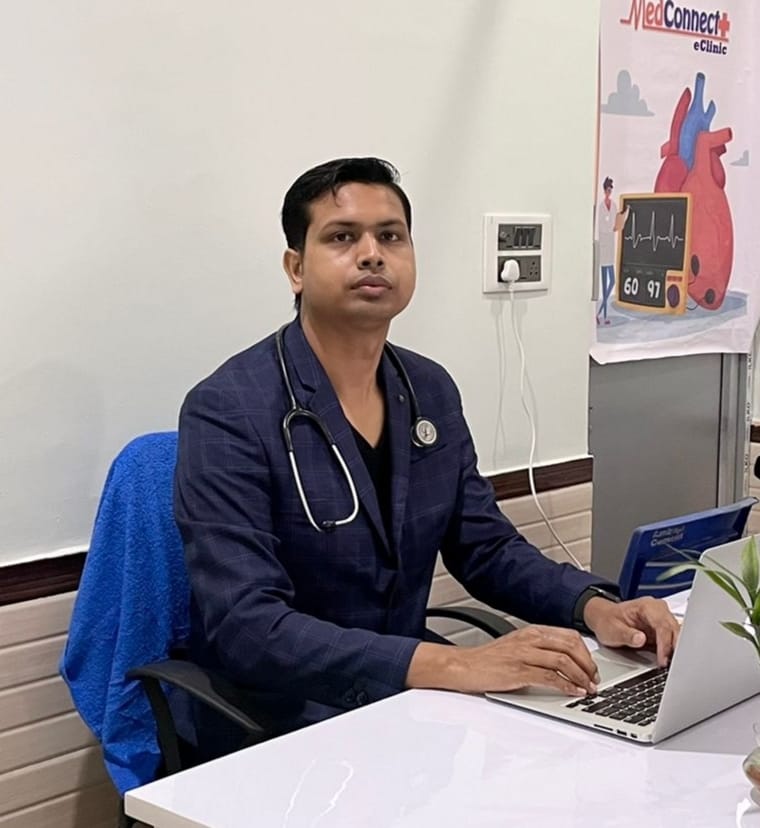
Consult Dr Debabrata Sarkar
M.B.B.S. (W.B.U.H.S.)
Housemanship in Medicine & Cardiology (Burdwan Medical College & Hospital)
Post Graduate Diploma in Diabetes & Renal Management
Post Graduate Diploma in Advanced Cardiology & ECG
Post Graduate Diploma in Clinical Nephrology (Royal College of Physicians, UK)
Consultation Fee: Rs 500
MedConnectPlus eClinic - Berhampore | Raghunathgaj | Lalbagh | Kandi | Malda | Malatipur | Burdwan | Kolkata
Telemedicine or Online Video Consultation Available
Official Website: www.drdsarkar.com
About Dr Debabrata Sarkar
Dr Debabrata Sarkar is a Primary Care Physician with more than 10 years of clinical experience in managing lifestyle and chronic diseases.
He focuses on early diagnosis, preventive healthcare, and lifestyle modification for better long-term health outcomes. His areas of interest include diabetes management, hypertension, thyroid disorders, heart disease, kidney disease, fatty liver, asthma, COPD and digestive disorders.
Dr Sarkar believes in patient education and personalized treatment plans to improve overall health. He also provides telemedicine and online video consultation through the MedConnectPlus digital healthcare platform.
Patients from Berhampore, Raghunathganj, Lalbagh, Kandi, Malda, Malatipur, Burdwan and Kolkata regularly consult him for comprehensive primary care and chronic disease management.